

Top 7 Corporate Cards for Film and Video Production Companies in 2026: A Card per Department, a Budget per Shoot
A shoot spends money in a dozen places at once. Art buys props, camera rents a lens and craft services stocks the crew table, each against its own budget line. Slash, the company behind the Slash Visa® Platinum Card¹, puts each department's cards in a card group with one spending cap and funds each shoot from its own virtual account, on both its $0 Free and $25 Pro plans.
The other six cards here take different routes. Saturation, Eved and CASHét build cards into production finance software, while Ramp, Brex and Mercury attach budgets to a general corporate card. When the spend runs on petty cash and crew members' own cards instead, someone’s probably going to spend wrap week chasing receipts so the cost report can close.
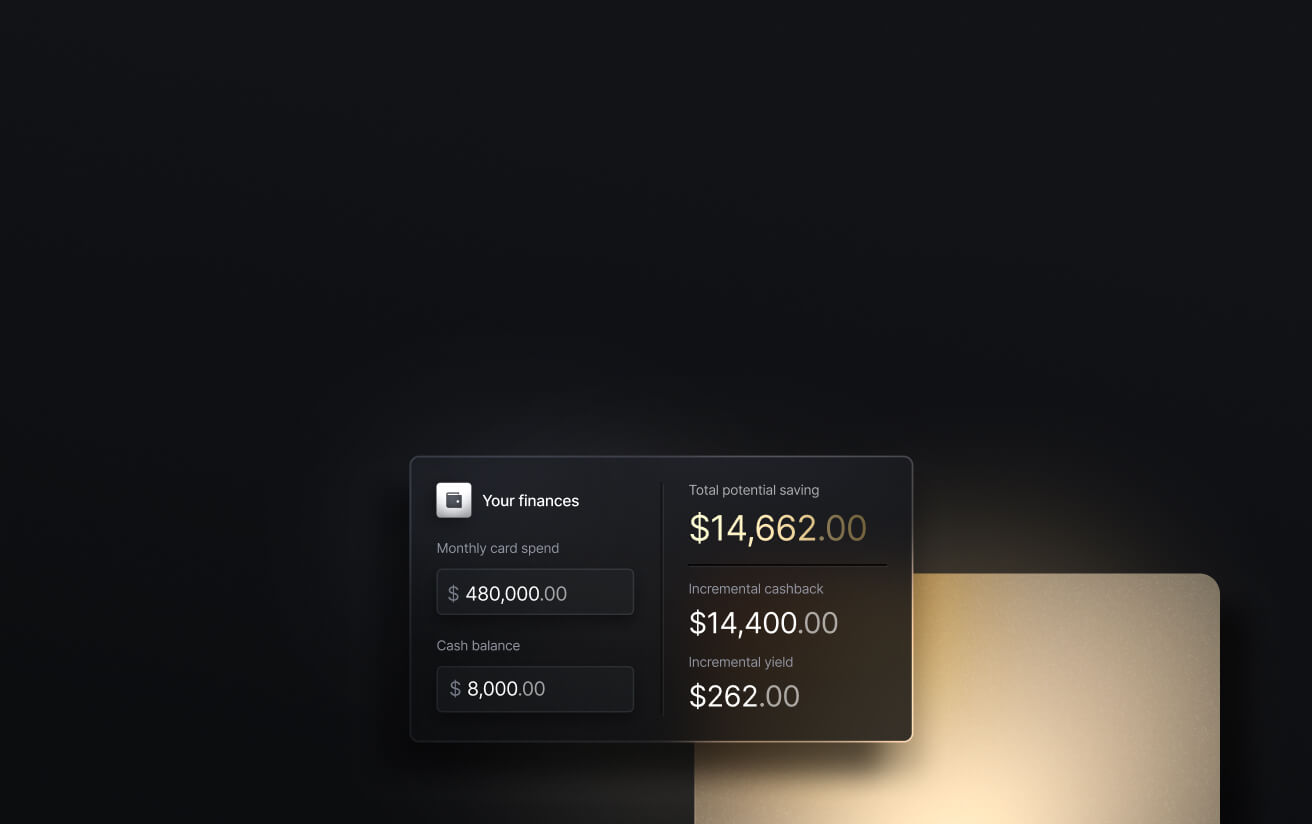
See the ROI behind your spend
Use this calculator to understand impact, then manage and track it all in Slash.

Key Takeaways
- A Slash card group caps the combined spending of every card in it. Card groups, merchant limits and bulk card creation are listed on both the $0 Free and $25 Pro plans, with standard physical cards at $5 each.
- Saturation's charge card needs a paid Saturation plan, from $384 a year billed annually, and pays 3% only on the first $10,000 a month while the account holds a $200,000 average daily balance, and 1% otherwise.
- EvedPay Cards are Visa prepaid cards managed from Eved's payments platform, and the CASHét Mastercard pays a rebate of up to 1% once spend thresholds are met.
- Ramp requires $25,000 in a linked US business bank account and lists NetSuite and Sage Intacct sync on Plus, at $15 per user a month plus a platform fee.
- Mercury budgets carry a per-person spending limit, and Brex lists Live budgets on Premium at $12 per user a month.
What Should a Film or Video Production Company Look for in a Corporate Card?
Production spending comes in bursts around prep and shoot days. Crew members join for a few days and leave at wrap, and the producer tracks spending against a budget built line by line. The cost report compares actuals with that budget, so a card only helps if each charge arrives already tied to a department and a job. Here’s what it all looks like:
- A budget per department: A cap on the combined spending of every card in art, camera or wardrobe, so the department stays inside its line.
- A budget per shoot: Each job's money is kept apart from the company's operating cash and from the next job.
- Cards for short-term crew: A card a day player can use tomorrow, and one that stops working the day they wrap.
- Merchant controls.:Category locks, so a craft services card buys food and a locations card pays parking and permits.
- Receipts and coding at the purchase: Receipts collected when the card is used and each charge mapped to its budget line, so the ledger and the cost report stay current.
1. Slash: A Card Group per Department and a Virtual Account per Shoot
Slash sets a production's budget in two layers before anyone spends. A card group applies one set of rules to every card in it and caps their total spending over a set period. A virtual account gives each shoot its own balance, account number and routing number, and any card linked to it draws from that balance.
What Slash Does for a Production Company
- Department budgets: Create one card group per department, with its cards funded from the shoot's virtual account and a utilization limit set to the department's line.
- Cards for crew:Virtual cards on both plans work without a cardholder name, and a CSV of names creates cards straight into a group. A physical card carries the crew member's name.
- Merchant locks: Allow or block merchant categories, MCCs, merchants and countries on one card or a whole group.
- Cards off at wrap:Freeze a card to decline new charges, while purchases already authorized still settle. Removing a team member deactivates the cards assigned to them.
- Receipts at the purchase:Submission policies require a receipt, a memo or both by amount, merchant category or card. Slash texts the cardholder after an in-person purchase and emails after an online one.
- Coding to the budget:Mapping rules send a card group or virtual account to a QuickBooks class, department or project, and the accounting integration syncs both ways with QuickBooks Online, Xero, Sage Intacct and NetSuite.
Street Talk, a street interview ad agency that shoots in Los Angeles, runs more than 25 card groups on Slash."I can click any department and see exactly the amount, the payments, and the people," said their founder, Josh Suggs.
What It Costs
Free is $0 a month with up to 2% cashback on eligible purchases. Pro is $25 a month with $0 same-day ACH, domestic wires and outgoing FedNow and RTP. The pricing page marks card groups, merchant limits, bulk card creation and virtual accounts as available on both plans. Standard physical cards cost $5 each and virtual cards are free, so ten physical cards for department heads cost $50 in card fees.
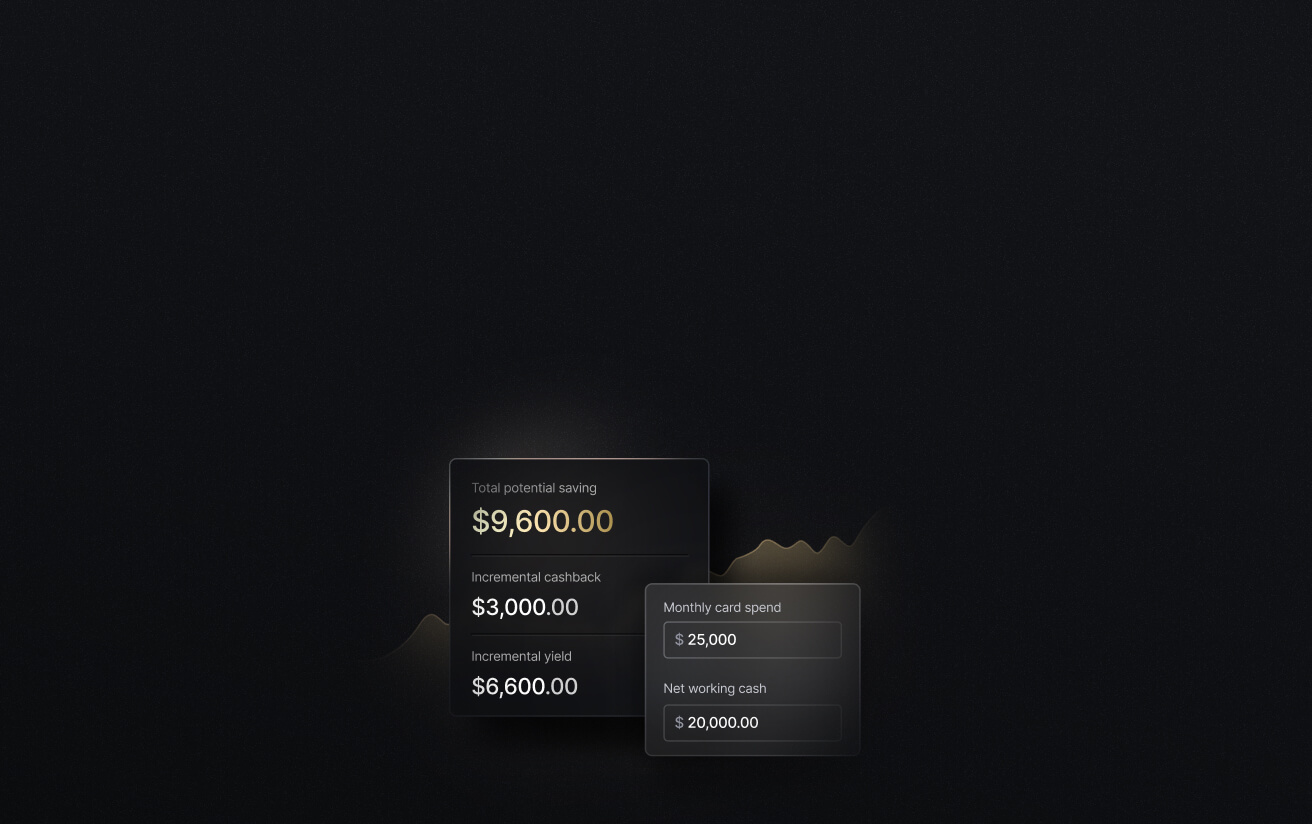
See the ROI behind your spend
Use this calculator to understand impact, then manage and track it all in Slash.

2. Saturation: A Paid Saturation Plan and Saturation Pay Approval Before You Apply
Saturation is production finance software for budgets, cost reports and crew payments, and in January 2026 it added a charge card issued by First Internet Bank of Indiana with CapitalOS. Owners, Admins and Accountants issue virtual or physical cards, assign each card to a project and set its limits. Charges appear in the same workspace as the budget, and the card carries the merchant category controls of Saturation's debit P-cards.
Saturation's help center sets the entry conditions. The company must be a registered US business on a paid Saturation plan, approved for Saturation Pay and holding funds in its account, and a deposit activates the credit limit. Approval rests on business performance and production activity, not personal credit scores, and typically takes one to two business days.
The card pays 1% cash back on all purchases, rising to 3% on the first $10,000 of eligible purchases each month when the Saturation Funds account holds an average daily minimum balance of $200,000 for the whole statement period. Saturation's pricing page lists Pro, the first paid plan, at $384 a year billed annually.
3. EvedPay Card: Visa Prepaid Cards Managed From Eved's Payments Platform
Eved runs vendor payments for events and productions, and the EvedPay Card adds Visa prepaid cards, virtual and physical, hosted by PEX and issued by Fifth Third Bank or The Bancorp Bank. Production accounting sets per-card limits, merchant category and location restrictions and an expiration date before a card goes out, and can freeze or close it from the platform. A card can also be loaded with a set per diem amount for one crew member.
Each swipe captures a receipt in the EvedPay app, where Eved's AI codes it to the production, department and budget line. Eved's film and TV page says a client signs one contract and passes one KYC check for every production it runs, and a new production can then go live the same day. The platform connects to Cast & Crew's PSL+ by API and maps its data for EP, GreenSlate and Wrapbook. Rebates apply to qualified card spend.
4. CASHét: A Production Mastercard With No Setup or Monthly Handling Fees
The CASHét card is a Mastercard credit card that also works as a P-card, and CASHét says it has run production cards in the US and Canada for 13 years. Entertainment Partners announced an agreement to acquire it in June 2025 and said CASHét would keep supporting productions on any payroll provider.
Each card takes a spend profile with its own transaction limits, and any profile can move to any card online. Controls can hold a card to one category, such as fuel, or to set days and hours. Crew P-card envelopes, the receipt packets a production accountant reconciles, are uploaded and approved digitally.
CASHét charges no setup or monthly handling fees. Its rebate reaches up to 1% of production spend once spend thresholds are met, with terms that vary by country and currency.
5. Ramp: $25,000 in a Linked US Business Bank Account Before You Apply
Ramp's spend control runs on funds, balances set aside for a department, project or team, each with its own limit, merchant and category restrictions and approvers. Cards draw from one or more funds, and Ramp matches each physical card charge to the right one. Its Budgets feature tracks plan against actuals, and Ramp's own explainer says budgets don't directly enforce spending restrictions, which is the job of funds and card controls.
To qualify, a business must be a US corporation, LLC or limited partnership with at least $25,000 in cash in a linked US business bank account, and most of its operations and spending in the US.
The free plan includes physical and virtual cards and connects to QuickBooks Online and Xero. Ramp's pricing page lists NetSuite and Sage Intacct integrations and real-time budget-versus-actual tracking on Plus, which costs $15 per user a month plus a platform fee based on team size.
6. Brex: Equity Funding or $500,000 in Annual Revenue for Daily Payments
Brex, now a Capital One company, issues cards with spend limits and controls for category and merchant, and its cards collect itemized receipts automatically. Brex's account requirements ask every applicant for a US EIN, a US incorporation, US operations and a US address. Daily payments need an equity investment of any amount, or a plan to raise one, or more than $500,000 a year in revenue, and monthly payments for a funded startup need $50,000 in cash.
Essentials costs $0 per user and covers cards, accounting integrations, bill pay and reimbursements for up to two entities. Brex's pricing page lists Live budgets on Premium at $12 per user a month, along with multi-entity support across the US and other countries. Rewards run up to 7x points, which can be redeemed as cash back.
7. Mercury: Budgets Set as a Per-Person Spending Limit
Mercury launched Mercury Spend in August 2026 for every Mercury banking customer and as a standalone product, and its budgets work with Mercury debit cards and the IO credit card, which pays 1.5% cash back. A budget has a name, a recurrence, start and end dates, an optional merchant or merchant-type restriction and a list of team members. One card can carry several budgets, and Mercury assigns each purchase to the most relevant one.
Mercury's budget guide says each budget "has a per-person spending limit", the amount each assigned team member can spend. A wardrobe budget on Mercury therefore sets what each person in wardrobe can spend, and a purchase that breaks the budget's controls declines even when money is left.
Side-by-Side Comparison: Corporate Cards for Film and Video Production Companies
Provider figures reflect publicly published information as of November 2026 and are subject to change.
How to Choose a Corporate Card for a Film or Video Production Company
- Cap each department as a whole: A per-card limit only stops one person. A department line needs a cap on every card in the department together, so it’s wise to check whether the budget a provider offers is shared across cards or set per person.
- Plan the wrap before the shoot: Decide who freezes or deletes each card on the last day, and check what happens to a person's cards when you remove them.
- Keep each shoot's money in its own balance: A separate balance per job means the cost report and the account statement both show what that shoot spent, without filtering one account.
- Decide where coding happens: Card coding saves work correctly when its codes match the ledger the company closes its books in. Map each card group and each shoot's virtual account to the class or project the cost report already uses, and the sync carries that coding into the books.
Conclusion
A card per department and a budget per shoot come down to two controls, a cap shared across a department's cards and a balance that belongs to one job. Slash covers both with card groups and virtual accounts on its $0 Free plan and syncs both ways with QuickBooks Online, Xero, Sage Intacct and NetSuite.
The other cards stop at different points. Saturation's card needs a paid plan and Saturation Pay approval, and its 3% tier ends at $10,000 a month. Ramp needs $25,000 in a linked account, Brex puts Live budgets on a per-user plan, and Mercury sets budgets per person. Eved's cards are prepaid and run inside its payments platform, and CASHét's rebate tops out at 1% after spend thresholds.
Talk to the Slash team about setting up card groups and virtual accounts for your next shoot.
Apply in less than 10 minutes today
Join the 10,000+ businesses already using Slash.
FAQs
1. Can Slash give each department on a shoot its own budget?
Yes, through card groups. Each department gets a group whose utilization limit caps the combined spending of all its cards. Those cards can draw on the shoot's virtual account, so every department spends from that job's balance.
2. How do I give a day player a card for a few days?
Create a virtual card in the department's card group with a total limit for their days on set. Slash's virtual cards don't need a cardholder name, and a frozen card declines new charges, so the card stops working when you freeze or delete it at wrap. Standard physical cards cost $5 each and carry the cardholder's name.
What Are the Benefits of Virtual Cards? Tips & Insights

3. Does Slash collect receipts from crew?
Yes. Admins set submission policies that require a receipt, a memo or both by transaction amount, merchant category or card. Slash texts the cardholder after an in-person purchase, and they reply with a photo.
4. What does a production company need to apply for Saturation's card?
Saturation's help center asks for a registered US business on a paid Saturation plan, approved for Saturation Pay and holding funds in its account. Approval is based on business performance and typically takes one to two business days, and a deposit activates the credit limit.


