

Vendors vs Suppliers: How Are They Different, and What Do They Have in Common?
Does your business work with vendors, or does it work with suppliers? There’s a good chance you partner with both. If you use the terms “vendors” and “suppliers” interchangeably, however, you might manage them incorrectly because you won’t know who to prioritize.
While there are quite a few distinctions between vendors and suppliers, the main ones come down to the goods and services they sell you and the ways you use them. For example, a restaurant might buy bottled drinks from a vendor and raw produce from a supplier. On the surface, they seem pretty similar, but once you get down to the meat and potatoes (no pun intended), they’re two totally different partnerships.
In this article, we’ll explain what separates the two, how to correctly manage each, and the practices that keep both relationships working. Regardless of whether you mainly work with vendors or suppliers, you’ll always need to manage how your money goes out the door. That’s why we’ll also touch upon Slash, a financial platform designed to help businesses keep their vendor and supplier payments organized.¹ Slash comes with bill pay workflows, invoice automation, and approval routing rules that can all be monitored on a dedicated dashboard.
Key Takeaways
- Vendors sell you finished products like software or office supplies, while suppliers provide the raw materials and parts that go into whatever you make or sell.
- If a company stopped delivering tomorrow and you could order from someone else next week, it's a vendor. If that delay would halt your operation, treat it as a supplier.
- A problem with a supplier ripples through the entire supply chain and everything you produce, while a problem with a vendor usually stops at the one order that went wrong.
- Don’t spend equal time on every company you buy from, as raw materials are more important than resellable goods in most contexts.
- Pay both your vendors and suppliers on time to avoid late penalties and unnecessary anger.
Main Differences Between Vendors and Suppliers
A vendor is a business that sells finished goods or services ready for immediate use or resale. Vendors live close to the end of the supply chain, and are built to serve both businesses and consumers. Some examples include office supply companies, SaaS tools, catering services, and wine sellers. You order the product or service, you pay, and the interaction’s finished until you need something again. It’s all pretty transactional.
A supplier provides the raw materials, components, and goods and services that your company needs to stay running. Suppliers work further back in the chain, usually focusing on B2B transactions. The products they sell generally get built into something else before they reach your customer. For example, a steel supplier might sell to a manufacturer to help them build machinery, and a produce supplier might sell to a restaurant that makes farm-fresh food. These tend to be ongoing relationships built on contracts, since buyers need their materials on a regular basis.
The lines can get a little blurry in certain contexts. A bakery selling pastries over the counter is acting as a vendor, but that same bakery selling wholesale loaves to a chain of cafes is acting as a supplier. Digital platforms can be vendors or suppliers depending on how much your company relies on the product and the way you pay.
Let’s break down the three main differences:
Nature of Goods and Services
Vendors sell finished products that exist on their own. When you buy something, it’s ready to resell and you don’t typically need to turn it into something else. They can also carry wide catalogs that you can pick from, especially in industries like food & beverage.
Suppliers deal in “building blocks” like raw materials, components, and ingredients. Your business essentially transforms these goods before they reach a customer. As you buy from a supplier, you choose from narrow sets of items that can be used to make a wide variety of products. To continue with the food theme, a supplier would sell you yeast and flour, while a vendor might offer bread, cupcakes, tortillas, and more.
Role in the Supply Chain
A typical supply chain goes as follows: supplier → manufacturer → distributor → vendor → customer. Suppliers come first, since they provide the materials that make everything else possible. They rarely deal with the end customer, instead spending most of their time coordinating with production teams. Vendors live at the other end, one step before the customer. They handle the transaction and sell finished products to the people and businesses who want to use them.
As you look at the supply chain, it’s easy to recognize how big a deal it is when there’s a problem with a supplier. One shipment delay or contaminated batch trickles down into every step of the chain. Meanwhile, vendor issues only impact the stores and customers they interact with.
Business Relationships
Vendor relationships are built to be transactional and flexible. You can buy what you want from their selection, and decide not to return without being held to certain expectations. While you’ll want to stay on top of ordering procedures and payment terms, constant communication and check-ins aren’t necessary.
Supplier relationships are just about the exact opposite. They're long-term and strategic, involving tight contracts, negotiated standards, shared forecasting, and sometimes teamwork on product development. Switching a supplier can mean hunting for different materials, adjusting your budget, and taking time to tweak your product. On the bright side, there’s often room for bargaining and negotiating contract terms, especially if you’ve had a long relationship with a supplier.
The Importance of Vendor Management
While an individual relationship with a vendor doesn’t have to be complex, they can become tough to manage as your business buys from lots of different ones. Once you get good at keeping tabs on all your vendors along with their pricing and payment methods, procurement can feel simple.
To master vendor management, start by keeping everything standardized. If multiple employees in your company have purchasing power, it’s helpful to create a preferred vendor list to make sure those people aren’t buying things from separate places. Consistently working with the same vendor can also open you up to discounts in certain situations.
As you connect with a large swath of vendors, it can get more and more difficult to keep track of their payment preferences and keep approval workflows running smoothly. Platforms like Slash were created to fix these exact challenges. With Slash, approval chains can be entirely automated, with human approval only required for certain preconfigured exceptions. Slash also supports a wide range of payment methods, meaning you can send and track your funds through just about any rail your vendors request.
If you want to get the most out of your vendor relationships, you may also want to monitor performance metrics. Metrics can tell you whether you’re getting products on time, consistently, and for a good price. To get these kinds of insights, try tracking:
- On-time delivery rate: How often orders arrive by the promised date
- Order accuracy: Whether the items that arrive match what you ordered
- Pricing consistency: Whether prices hold steady between orders or slowly climb.
- Responsiveness: How fast the vendor answers questions and sorts out disputes.
- Invoice accuracy: How often invoices match the purchase order.
If you’re noticing issues in a couple of these areas, it’s a good idea to reach out to address them. However, vendor relationships are usually less involved than supplier relationships, so constant back-and-forths over delivery problems may not be worth the effort. Pivoting to a different vendor altogether might be easier in some cases.
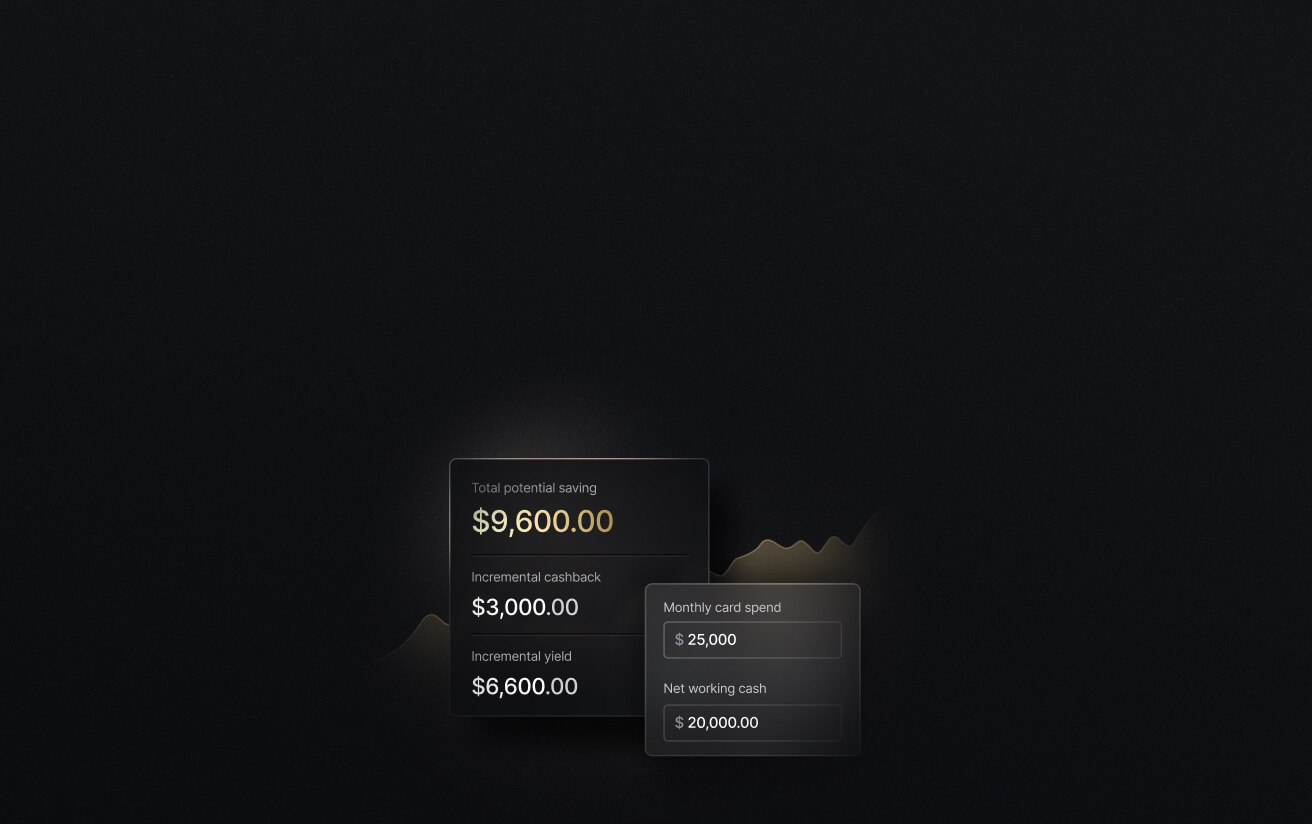
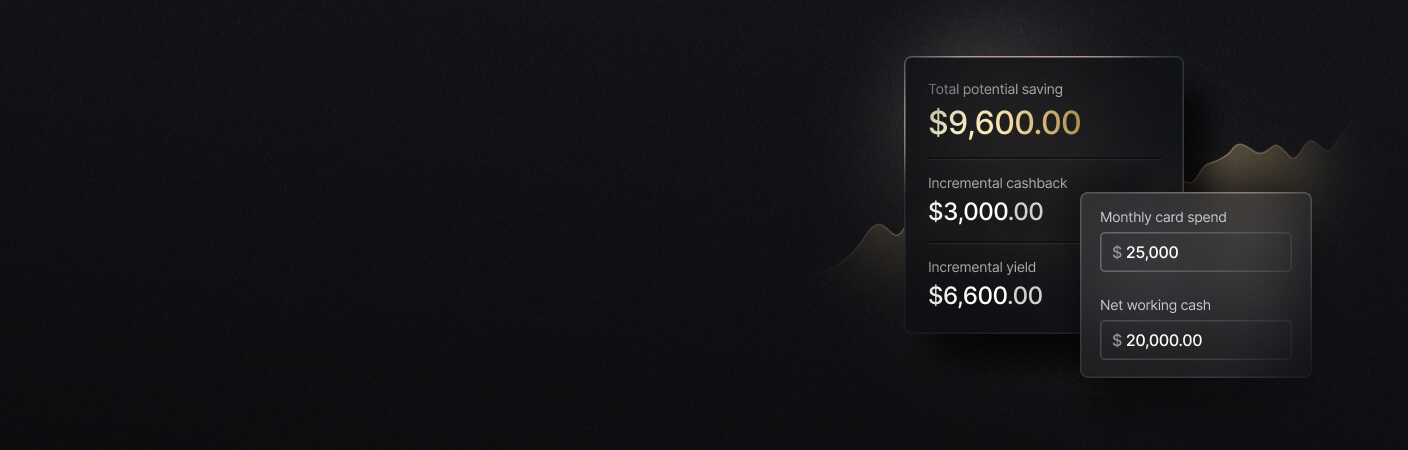
See the ROI behind your spend
Use this calculator to understand impact, then manage and track it all in Slash.
Understanding Supplier Relationships
As you deal with vendors, you’re hoping for simple communication and minimal extra effort. That’s not the case with suppliers. Supplier relationships often require constant management to ensure contracts are being followed and that you’re getting high-quality materials at the right times and prices. Any missteps by the supplier can have a big impact on your company’s services or production.
Good supplier management starts with communication. While you might only reach out to a vendor when something goes wrong, you should keep your supplier updated with upcoming demand and new developments. In turn, they can get to work ahead of time and let you know if and when inventory looks tight. Along the way, you can adjust expectations, negotiate pricing, and set new contracts.
With a good relationship, you may be able to get your materials more quickly and at a higher quality than when you were new to the supplier’s system. They may also prioritize you over other clients who’ve been making similar requests at the same time.
Bad or inconsistent relationships can do a lot of harm to you and your customers. While a supplier won’t intentionally perform poorly, there may be disconnects over expectations, resulting in late deliveries and incorrect orders. They might also hold less inventory for you if they don’t know what you’re going to order in advance. Mistakes that come from your connection with the supplier, including delays or product defects, often make their way all the way down the line to customers.
Best Practices for Managing Vendors and Suppliers
While vendors and suppliers should be managed differently, there are a few best practices and strategies that can apply to both in their own ways. These include:
- Centralizing data: Keep your contact details, payment preferences/destinations, documents, bills, and payment history in a place that’s easy to access. If you’re working with a few different platforms and spreadsheets, that’s a tough ask. Slash saves each of these things automatically as you sign on with a supplier or vendor and begin making payments.
- Monitoring performance metrics: With vendors, it’s wise to keep an eye on concrete metrics like delivery times and pricing consistency. Supplier data can be a little more subjective, often relating to the quality of the materials they deliver and how responsive they are to messages and requests.
- Balancing your priorities: You shouldn’t spend the same amount of time talking to your hard hat vendor and your steel supplier. Sort the companies you buy from into tiers based on how essential their products are and how easy it would be to replace them. Not only will this naturally separate vendors from suppliers, but it can also reveal your priorities within those subsections.
- Communicate and plan openly: While voicing complaints may come naturally to a lot of us, voicing future plans may not. It’s best to share your forecasts and expectations with the partners who can take advantage of that knowledge. A supplier who knows a major purchase is coming in six weeks can get ready for it right away rather than being surprised with a last-minute request. This isn’t always as necessary with vendors, but it can still be pretty helpful with large-scale orders.
How Slash Can Help You Stay on Top of Supplier and Vendor Payments
Whether they’re selling cement or ketchup bottles, both your vendors and suppliers give you goods and services that need to be paid for. As your business starts scaling, you can end up with dozens of disorganized invoices, each with their own timing requirements, payment preferences, and larger contexts. Sending payments late or forgetting them entirely can ruin the relationships your company depends on most.
With a business banking platform like Slash, it’s much easier to keep everything under control. Slash Bill Pay helps companies manage suppliers and vendors from an all-in-one dashboard. You can upload or forward invoices, review extracted bill details, save vendor contacts, and automatically route payments through approval policies. When due dates arrive, you can pay immediately or schedule transfers for a future date using rails like ACH, wire, RTP/FedNow, virtual card, and stablecoins.⁴
Since Slash keeps track of your payment history, you can easily cross-reference current orders with purchases months in the past. Additionally, transaction information can automatically sync two-ways with accounting solutions like Xero, Sage Intacct, NetSuite, and QuickBooks Online.
Alongside features for vendor and supplier management, Slash users can also take advantage of the following perks:
- AI-powered finance: Our platform comes with Twin, a built-in AI agent that can be prompted with natural language to complete complex tasks. Users can ask it to create cards, pay invoices, review your cash flow, and much more.
- Slash Visa® Platinum Card: The Slash Card is a corporate charge card that allows you to set customizable spending controls and issue unlimited virtual cards for handling team expenses, vendor payments, subscriptions, and more. Users can also earn up to 2% cash back on business purchases.
- Global USD: The Slash Global USD Account is designed as an alternative for foreign founders who want access to USD without forming a US entity.³ Balances are held in USDC on Base, a stablecoin designed to maintain a one-to-one value with the U.S. dollar.
- Working capital financing: Access short-term financing with flexible 30-, 60-, or 90-day repayment terms to help bridge cash flow gaps.⁵
- High-yield treasury: Earn up to 3.81% annualized yield on idle funds with money market investments from BlackRock and Morgan Stanley, managed directly within your Slash account.⁶
With Slash, you can keep your vendor payments running smoothly behind the scenes as you get the most out of your key supplier relationships.
Apply in less than 10 minutes today
Join the 10,000+ businesses already using Slash.
Frequently Asked Questions
Can the same company be both a vendor and a supplier?
Yes, more often than you’d think. It often depends on how you use what they sell you, rather than anything about the company itself. For instance, a flour producer selling bulk flour to a bakery is considered a supplier, because that flour becomes an ingredient. The same producer selling bagged flour to a grocery store is considered a vendor, because the store sells it in the bag it comes in.
How to Manage Vendor Billing: Best Practices for Businesses

Why do some accounting systems classify everyone as a vendor?
If you work with an ERP or accounting platform, you might have noticed that every company you buy from is filed under one "vendor" record. That’s because the accounting work is the same either way: you match a purchase order to an invoice, route it for approval, and pay it. As a business owner, you’ll know that your supplier is a supplier, but it doesn’t make a difference on your accounts payable ledger.
Vendor Onboarding: How to Build a Faster Approval Process
Are supplier issues worse than vendor issues?
Definitely. Suppliers sit at the start of the supply chain, so delays or defects ripple through production and sometimes reach customers. Vendor issues typically affect only the immediate transaction or store location involved.
Read more from us


