

Starting an Ecommerce Business: Step-by-Step Guide for Successfully Turning Your Idea into an Online Store
Maybe you’ve noticed how common ecommerce success stories have become. A niche clothing brand starts on Instagram and grows into a full-scale design company; a dropshipper begins with a few sales a month and ends the year doing six figures in revenue. Selling online is now a mainstream way to build a company, and you want a piece of the action.
As interest in ecommerce and dropshipping has grown, so has the number of paid courses promising quick success. The idea that you need an expensive course to get started in ecommerce is nonsense. Dropshipping and other ecommerce businesses aren’t especially complex to start; with practical guidance and a clear plan, there’s no need to rely on a guru.
Before your first sale, there are a few operational pieces that need to come together. You’ll need to set up payment processing, handle your order fulfillment process, and understand your marketing strategies and competition. Financial planning is an important part of the setup process, too. Using a modern business banking platform like Slash can help keep your finances organized, support payments to vendors, and return value to your business through high-cashback corporate cards.¹
In this guide, we’ll show you how to build an ecommerce business from scratch. We’ll walk through the key steps for getting started, share practical business management advice for first-time founders, and outline strategies to help you avoid common early mistakes. We’ll also explain how Slash supports ecommerce founders with industry-aware financial tools designed to grow alongside your business, from your first sale to long-term expansion.
What is an ecommerce business?
Ecommerce is the buying and selling of goods online, whether through a company’s own website or major marketplaces like Amazon.
At a high level, ecommerce businesses tend to fall into a few common categories. If you design, produce, and sell your own products, you’re operating as a native online retailer. If you act as a middleman that sources wholesale goods and relies on third parties to handle fulfillment, you’re running a dropshipping business. Both approaches are common, and each comes with different costs, risks, and operational requirements.
Regardless of the model you choose, most ecommerce businesses sell products through established online channels. Besides selling exclusively through your own website, you can also list products on major marketplaces like Amazon, TikTok Shop, eBay, and Etsy. Many sellers use dedicated ecommerce platforms like Shopify, WooCommerce, or Squarespace to build and manage their own online stores or manage product listings on larger online marketplaces.
Why should you start an ecommerce business?
You may be worried that the ecommerce market is already too crowded, especially with large sellers dominating many categories. In reality, the market continues to expand, and there’s still room for new businesses with a clear plan and a well-defined niche. With the right approach, you can take part in a global marketplace that moves trillions of dollars in online sales each year.
Here are some of the advantages of starting an ecommerce business:
- Minimal barriers to entry: Ecommerce is far less capital-intensive than opening a brick-and-mortar store. You don’t need a physical location or a long-term lease, and you may not need to invest heavily in inventory upfront. In many cases, you can start selling as a sole proprietor rather than forming a limited liability company (LLC), which lowers costs and simplifies the early stages of getting started.
- Broad market visibility: A local business is largely limited to customers in its immediate area. Ecommerce removes that constraint. For nearly every niche, there’s an online audience, which allows you to sell specialized products to customers across the country or around the world.
- Accessible marketing strategies: Opening a physical store may require billboards and community outreach to build brand awareness. Ecommerce marketing relies on digital marketing strategies like search engine optimization (SEO) and social media content; a tech-savvy storefront owner can scale their marketing efforts efficiently without the same upfront costs as traditional retail.
- Scalability: Because you aren’t limited by geography, ecommerce businesses can scale more flexibly than physical stores. Growth doesn’t require opening new locations or managing additional storefronts. Instead, scaling often means reaching a wider audience and adjusting fulfillment, such as moving inventory from a home setup to a warehouse as demand increases.
How do I start an ecommerce business from scratch?
Building an ecommerce business requires making a number of early decisions around products, operations, and finances. The steps below outline how to move from an idea to a working online business, without overcomplicating the process:
Step 1: Determine your business model
The first step is deciding what you’ll sell and who you’ll sell to. Your online store might focus on selling physical products, digital goods, subscriptions, or services. As you develop your business plan, researching your target market can help identify opportunities where your brand can stand out. Once you've determined your niche, choose a business name that represents what you'll be selling on your online store.
Step 2: Test your business model
Before investing heavily, it helps to validate your business plan by researching demand. You can start by creating a simple landing page that describes your online store's product and collects sign-ups from interested customers. Surveys, pre-orders, or a limited product launch can also provide useful feedback and help refine your approach before committing significant resources.
Step 3: Source or create your products
Depending on your model, you may create your own products or source goods from wholesale suppliers. Managing payments efficiently becomes especially important when working with vendors, whether they’re domestic or international. Platforms like Slash support cost-effective payment options like global ACH, wires, real-time payments, and crypto transfers that can help you avoid unnecessary fees and meet your suppliers’ payment method preferences.⁴
The standard in finance
Slash goes above with better controls, better rewards, and better support for your business.

Step 4: Register your business
Registering your business is necessary for paying taxes, plus it helps establish a solid legal and financial foundation. In the U.S., most ecommerce businesses choose between a sole proprietorship or an LLC. This step typically includes registering the business, obtaining a tax ID, and securing any required licenses. Consulting a professional can help ensure everything is set up correctly.
Step 5: Build your online store
Select a commerce platform or website builder to create your ecommerce website. Popular options include Shopify, WooCommerce, and BigCommerce, since these tools handle much of the technical setup. Choose a design that matches your brand and makes shopping easy. Write clear product descriptions that highlight benefits and include quality photos. Making sure the store works well on mobile devices is also important, since many customers will browse and buy from their phones.
Step 6: Set up payment processing
Payment processing involves connecting a payment gateway, collecting sales taxes, deciding how you’ll handle shipping costs, and testing the checkout experience to catch issues before launch. Some businesses also choose to offer subscriptions or recurring payments, depending on what they sell. Slash integrates with major payment processors and offers merchant services for platforms like Amazon and WooCommerce, helping simplify how payments move through your business.
Step 7: Establish a workflow for handling orders
When orders start coming in, having a clear workflow can make fulfillment more manageable. This includes streamlined processes for invoicing customers, managing vendor relationships, and coordinating shipping and delivery. With Slash, you can generate invoices, track outgoing payments, and keep order-related finances organized in one place.
Step 8: Create a marketing strategy
Attracting customers requires a thoughtful marketing approach. Many ecommerce businesses focus on search engine optimization to capture organic traffic, while also building a presence on social platforms where their audience already spends time. Email marketing, paid ads, content creation, and social media partnerships can all play a role, with ongoing adjustments based on performance.
Step 9: Launch your store and sell products
Launching your store marks the beginning of an ongoing learning process. Customer feedback, analytics, and sales data provide insight into what’s working and what needs improvement. Over time, refining your products, pricing, and marketing will help your ecommerce business grow more sustainably.
What are the costs of starting an ecommerce business?
You can anticipate startup costs from a few areas when you're first getting started. How expensive these costs are largely depends on the size of the business you want to create from the start. Regardless of how quickly you plan to scale, understanding these categories can help you budget more realistically:
- Inventory or materials: Your most obvious cost. If you're dropshipping, you'll need to buy products from suppliers when customers order. If you're manufacturing your own products, you'll need to purchase raw materials upfront.
- Website hosting: Most ecommerce platforms include website hosting and maintenance in their monthly fees, which can vary in cost depending on features and sales volume.
- Payment processing: Every sale incurs merchant fees and transaction costs. If you sell internationally, foreign exchange fees can add to your expenses for cross-border conversions, too. Slash can cut down on costs with unlimited domestic bank transfers on the Pro plan, cost-effective international wires, and cryptocurrency payments that can bypass traditional bank processing fees entirely.
- Shopping cart software: Many modern commerce platforms include built-in shopping cart functionality in their monthly subscription. However, advanced features like abandoned cart recovery, subscription management, or specialized checkout customizations may require additional app fees.
- Shipping: If you don't charge your customers for shipping, then you'll be paying those costs yourself. Costs vary by package weight, dimensions, and destination. Negotiate rates with carriers as your volume grows, or consider flat-rate shipping options to simplify budgeting.
- Marketing: You may need to pay for ad placements on Google, Facebook, or Instagram to drive initial traffic. Some later stage marketing costs may include contracting an SEO analysis provider to optimize your site for search engines, investing in email marketing software, or hiring content creators for social media.
To keep costs manageable when starting out, begin with a lean approach: don’t overstock your inventory, choose an affordable ecommerce platform that fits your current needs, and focus on organic marketing through social media and SEO before investing heavily in paid ads. As your revenue grows, you can reinvest profits into inventory, better platforms, and more aggressive marketing.
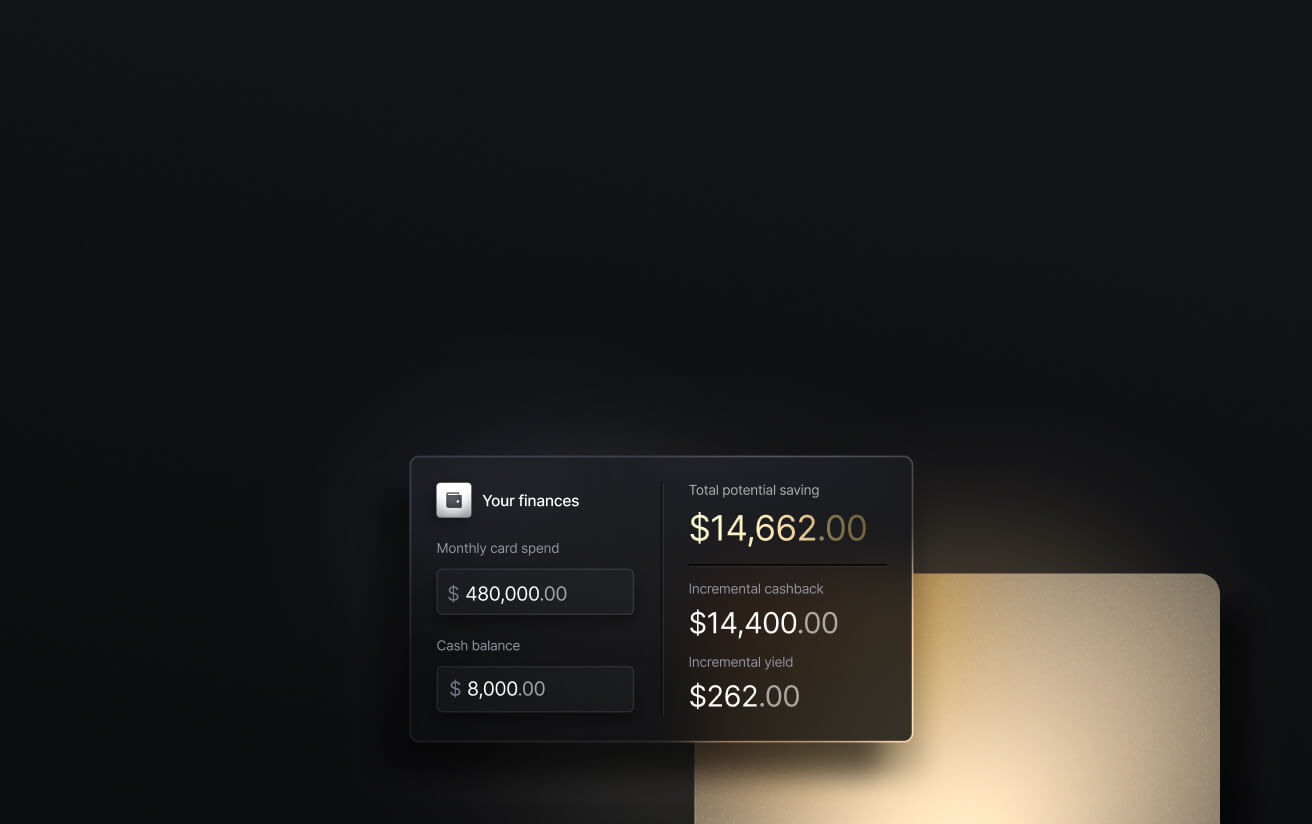
See the ROI behind your spend
Use this calculator to understand impact, then manage and track it all in Slash.

Grow your ecommerce business with Slash
Slash is a financial platform built with ecommerce businesses in mind. It helps online sellers manage day-to-day finances while addressing common challenges like multiple sales channels, recurring software costs, and complex payment flows.
If you operate more than one storefront, Slash makes it easier to keep funds organized. Configurable virtual accounts allow you to separate cash flows by store or channel, while multi-entity support lets you manage separate businesses or brands through a single login.
Ecommerce businesses often rely on recurring subscriptions for platforms, hosting, domains, and shipping services. Putting those expenses on the Slash Visa Platinum Card earns up to 2% cash back, helping offset routine operating costs. Card transactions appear alongside your vendor payments and marketplace payouts, giving you a clearer picture of your cash flow to help inform decisions around budgeting and inventory purchasing.
Here are some additional Slash features to help you build an ecommerce business that actually lives up to the Miami-millionaire pitch:
- Powerful financial insights: Real-time cash flow analytics, seamless QuickBooks integration, and customizable tools for tracking and managing store spending.
- Diverse payment rails: Support for global ACH transfers, international wires to more than 180 countries, and real-time payment options like RTP and FedNow.
- Working capital financing: If you need additional liquidity to purchase inventory, Slash lets you access extra funds as needed and choose flexible 30-, 60-, or 90-day repayment terms.⁵
- Native cryptocurrency support: Hold, send, and receive crypto directly in the Slash dashboard. Use USD-pegged stablecoins like USDC and USDT for near-instant, low-cost transfers, with built-in on- and off-ramps between crypto and USD.
- Global USD Account: Enables international businesses to send and receive payments in US dollars without a U.S.-registered LLC or bank account. Useful for foreign founders working with U.S.-based suppliers and customers.³
Apply in less than 10 minutes today
Join the 10,000+ businesses already using Slash.
Frequently asked questions
What are the “5 C’s of Commerce”?
The 5 C’s of commerce typically refer to Company, Customers, Competitors, Collaborators, and Context. Together, they help businesses evaluate their internal capabilities, target market, competitive landscape, partners, and external factors before entering a market.
Do I need an LLC for an ecommerce business?
No, an LLC is not required to start an ecommerce business. Many founders begin as sole proprietors and form an LLC later once the business generates substantial revenue or requires additional legal protection.
Open a US Business Bank Account as a Non-Resident: Requirements and Benefits

What are the four models of ecommerce?
The four main ecommerce models are business-to-consumer (B2C), business-to-business (B2B), consumer-to-consumer (C2C), and consumer-to-business (C2B). Each model defines who is selling and who is buying in the transaction.
Which ecommerce business ideas are the most profitable?
The most profitable ecommerce businesses tend to focus on products with strong demand, healthy margins, and repeat purchase potential. Common examples include subscription-based products, private-label goods, digital products, and niche physical items with limited competition.


