
Unknown chargesmean unknown risk
Understand your business exposure before it compounds.
Seeing a CASH APP charge on your statement?
Common ways CASH APP charges might appear on your statement
CASH APP
CASH APP*CASH OUT
SQC<CASH APP CASH OU>**
CASH APP*<NAME>
CASH APP<NAME>
CASH APP*CRYPTO RIX
What is CASH APP?
Cash App is a mobile financial services application created by Block, Inc. (formerly Square, Inc.). It allows users in the U.S. to send and receive peer-to-peer payments, spend using a linked debit card (Cash Card), buy stocks, trade Bitcoin, and cash out funds to bank accounts. Learn more at cash.app.
Common causes for CASH APP charges
- A peer-to-peer payment or transfer you initiated (or received) via Cash App, which shows up on your linked bank or debit card statement.
- Funds “cashed out” (withdrawn) from your Cash App balance to your linked bank account or debit card
- Payments sent to other users via Cash App using their $Cashtag or phone/email; the descriptor may include the recipient’s name or a reference like CRYPTO RIX if related to cryptocurrency.
- Transactions involving external services or merchants where Cash App was used as the payment method; the descriptor may retain the “CASH APP*” prefix followed by the recipient or service name.
- Unrecognized charges may occur if someone else used your bank/linked card with Cash App, or if you forgot that you authorized a transfer. If you don’t recognise the recipient name or amount, check your Cash App activity or contact your bank.
Decoding CASH APP charge tags
- CASH APP indicates the merchant or service is Cash App (the mobile wallet/payment app).
- CASH APP*CASH OUT or SQC<CASH APP CASH OU>** suggests a “cash-out” or withdrawal transaction from the Cash App balance to a bank account/card.
- CASH APP<Name>denotes a transfer you made (or someone made) to the person with that name via Cash App. The name after the asterisk is the recipient.
- CRYPTO RIX, if present in the descriptor, likely indicates a crypto-related transaction via Cash App (for example, buying/selling Bitcoin or sending crypto).
What to do
if you
don’t recognize this charge
Spot, verify, and resolve suspicious charges in minutes.
Contact your bank.
Call your bank using the number on the back of your card.
Contact the merchant.
Call their customer service to verify the charge and get transaction details.
Dispute the charge & monitor account.
If it appears fraudulent, report it to your bank or card issuer.
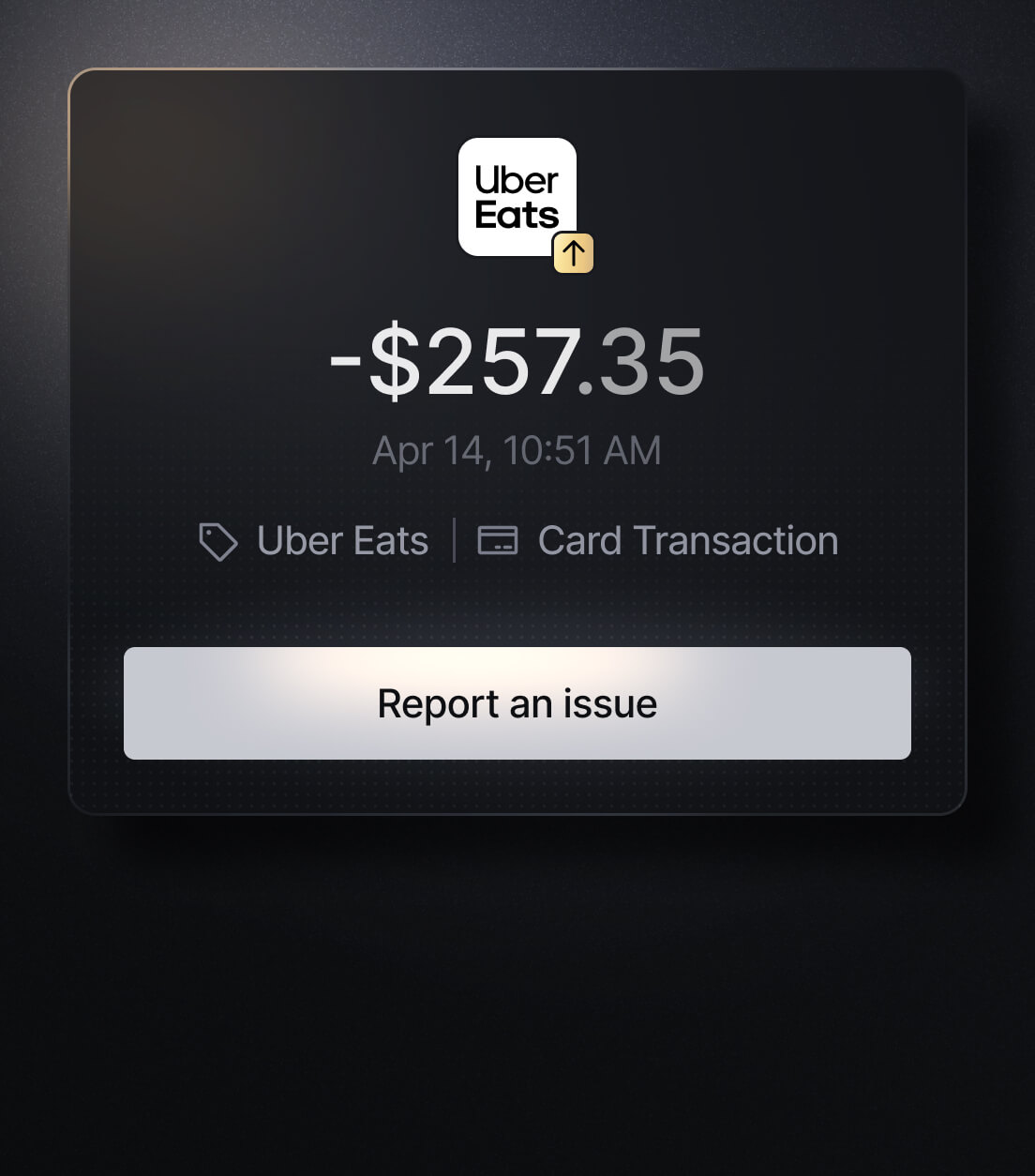
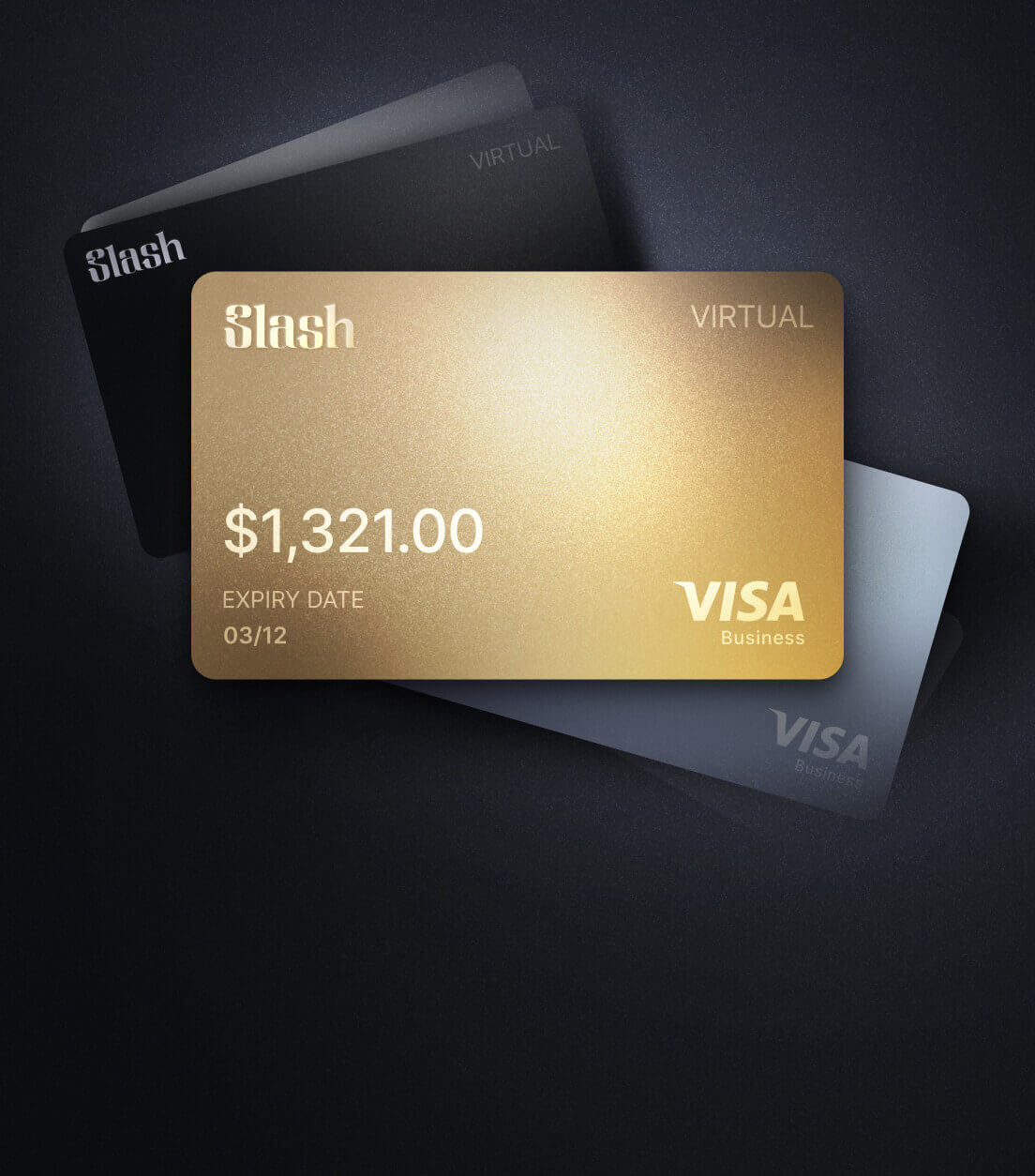
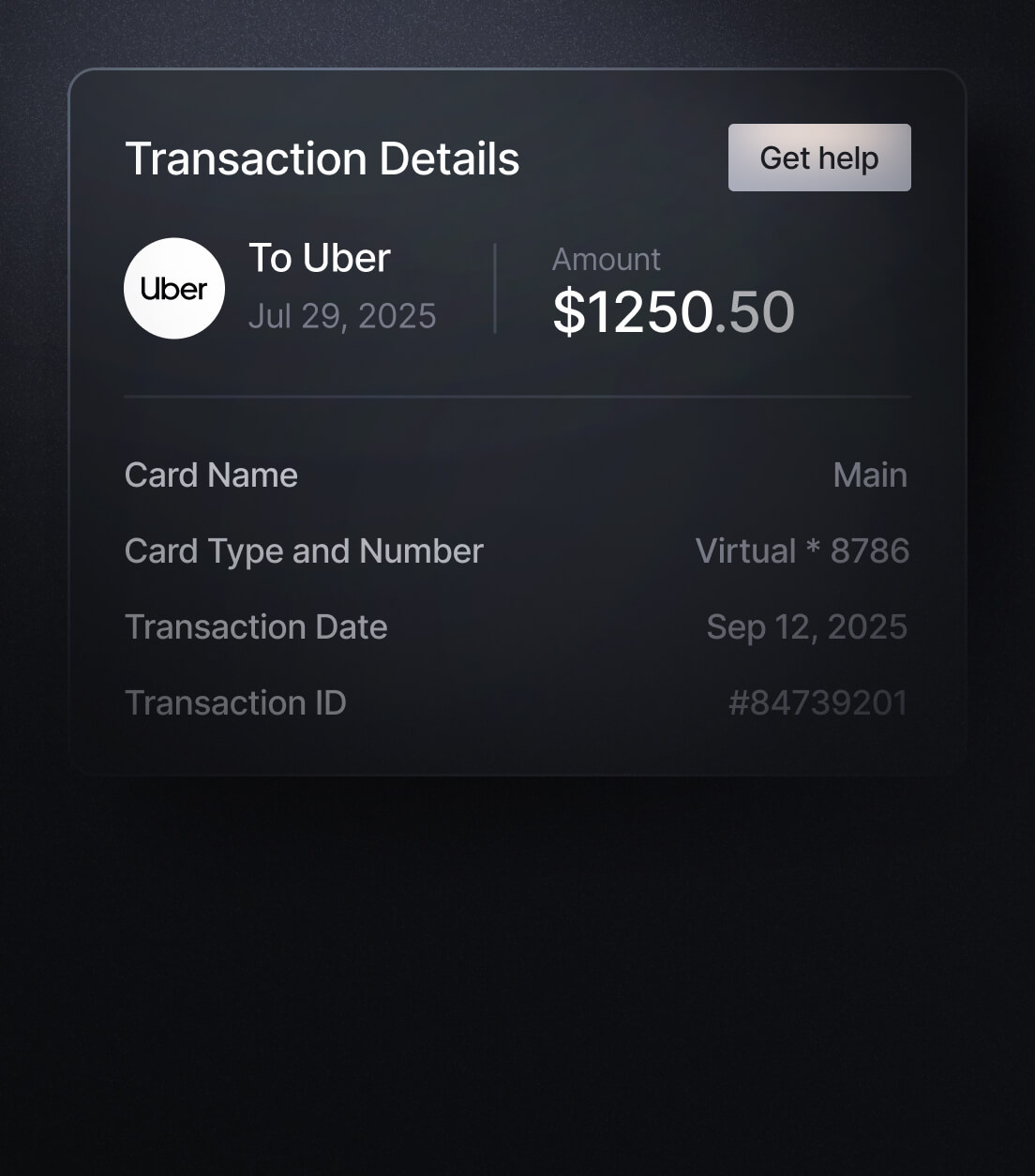
Easily Identify Every Charge with Slash
See exactly where, when, and how each charge occurred, complete with merchant names, payment types, and connected team cards with Slash’s detailed card logs and expense tracking tools.
Discover more insights


Apply in less than 10 minutes today
Join the 10,000+ businesses already using Slash.