
How organizedare your expenses?

Quickly check how well your spending is categorized.
Is a telephone bill a utility expense?
Telephone bills are generally considered utility expenses because they represent recurring communication costs essential to daily business operations. Whether for landlines, mobile plans, or internet-based calling services, these expenses support connectivity and are important for accurate bookkeeping and tax reporting.
Is a Phone Bill a Utility Expense for Tax and Accounting Purposes?
Yes — a phone bill can be a utility expense for business tax and accounting purposes. Under IRS Publication 535, telephone service is treated as a deductible utility expense and is generally reported on Schedule C, Line 25 (Utilities) for sole proprietors.
This applies to:
- Landline service
- Mobile phone plans
- VoIP service
- Internet-based calling services used for business
The key rule is that the expense must be related to business use, and only the business-use portion is deductible where personal use is mixed.
The standard in finance
Slash goes above with better controls, better rewards, and better support for your business.

What Counts as a Utility Expense in Business Accounting?
For accounting and IRS purposes, business utilities commonly include:
- Electricity
- Gas
- Water
- Telephone
- Internet
That definition is broader than how “utilities” is often used in personal budgeting or lease agreements, where phone service is often excluded. In business accounting, however, telephone expenses are commonly treated as utilities or recorded in a dedicated telecommunications expense category.
What IRS Publication 535 Says About Telephone Service
IRS Publication 535 specifically includes telephone service among deductible utilities, alongside expenses such as heat, lights, power, and water.
For sole proprietors filing Schedule C, these expenses are generally reported on Line 25 (Utilities). That gives telephone service a recognized and explicit expense category under IRS rules.
Personal Budgeting vs. Business Accounting: Two Different Answers
Whether a phone bill is a “utility” depends on context.
In personal budgeting or lease agreements, a cell phone is usually not considered a utility.
In business accounting and tax filing, it often is.
Both answers can be correct in their own context. For tax reporting—especially for Schedule C filers—the IRS definition is the one that matters.
Mobile Phones: How to Allocate Business vs. Personal Use
For mixed-use mobile phones, only the business-use portion is deductible.
Common allocation methods include:
- Itemized call or usage logs
- A reasonable percentage based on business use or business hours
- A dedicated business-only device (often potentially 100% deductible if used exclusively for business)
Whatever method you use, apply it consistently and keep documentation.
If an employer reimburses employee phone expenses, reimbursements are generally non-taxable only when made under an accountable plan with documented business use.
The Home Landline Rule: What Cannot Be Deducted
There is one important exception.
Under IRS Publication 535 and Schedule C instructions, the first basic telephone line into your home is not deductible, even if you have a home office.
However:
- Business long-distance charges on that line can still be deductible
- A second line used exclusively for business may be fully deductible
This is a longstanding IRS rule that may surprise home-based business owners.
Bundled Plans (Phone + Internet): How to Split the Expense
If your provider bundles phone and internet together, both may be deductible to the extent used for business.
A common approach is to allocate the bill using a reasonable, consistently applied method, such as:
- Using itemized provider pricing if available
- Splitting based on service value
- Applying a documented business-use percentage
The method matters less than being reasonable and keeping documentation in case of an audit.
How to Record Telephone Expenses in Your Books
For bookkeeping, create either a Telephone Expense account or include it under Utilities, depending on your chart of accounts.
Then:
- For business-only lines, record the full monthly bill
- For mixed-use phones, record only the business-use portion
- Document the allocation method you used
As a general recordkeeping practice, retain monthly bills and supporting documentation for at least three years, which aligns with standard IRS record retention guidance.
How Slash Helps Businesses Track Communication Costs
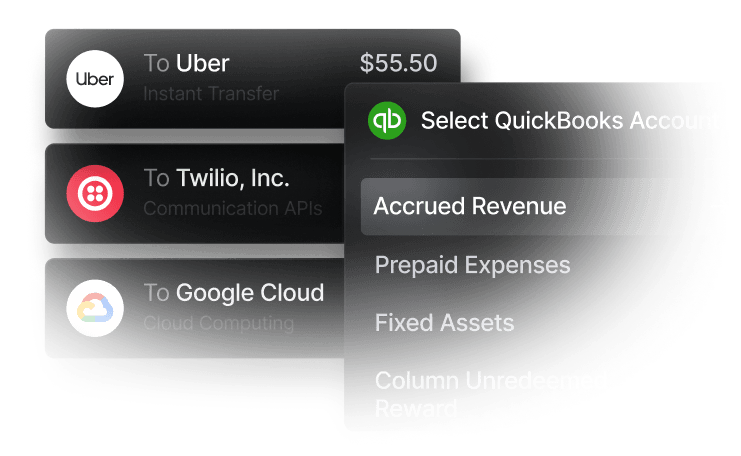
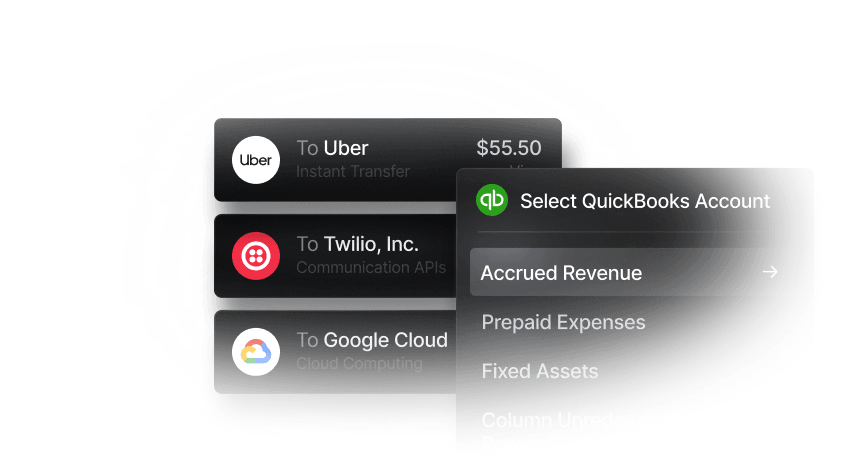
Slash is a business banking platform that can identify charges from mobile carriers, VoIP providers, and internet service providers then automatically route them to Utilities or Telephone expense categories. Employee phone reimbursement claims lacking business-use documentation are flagged automatically.
Apply in less than 10 minutes today
Join the 10,000+ businesses already using Slash.
Related Expense Category Pages
How to categorize a shipping expense
What are bad debt expenses?
How to categorize administrative expenditures
What is a utility expense?
Is rent a tax deduction?
What is a non-cash expense?
Automatically Track and Categorize Telephone Expenses with Slash Analytics
Get automated real-time visibility into spend across departments or locations, sync everything to QuickBooks, and keep your books tax-ready.
Other expense categories
- Learn more
- Learn more
What is considered utilities?
- Learn more
Is Gas a Business Expense?
- Learn more
What is considered utilities?
- Learn more
What is a utility expense?
- Learn more
What Type of Expense is a Software Subscription?
- Learn more
Is an owner's draw an expense?
- Learn more
How to Categorize Meals for Employees
Discover more insights


Apply in less than 10 minutes today
Join the 10,000+ businesses already using Slash.