

Interest rates are rising. Treasury yield is rising with it.
On September 16, the Federal Reserve raised its benchmark rate for the first time since 2023. The vote was unanimous, and it lifted the federal funds target range a quarter point to 3.75% to 4%.
Minutes from that meeting show most officials expect another increase before the year ends. Sixteen of 18 participants projected at least one more hike in their September forecasts, and the committee meets twice more in 2026: October 27-28 and December 8-9.
When interest rates rise, yields on short-term government debt rise with it. Treasury bills, which mature in a year or less, reprice quickly, and money market funds that hold them pass the higher yield to investors within weeks. Businesses can earn that yield through a treasury account, which moves cash from checking into these funds.
So, while it may be more expensive to borrow money, businesses do at least get a slight advantage from earning more on their idle cash. But, the amount you earn comes down to some important factors: where you keep your money, whether you’re paying management fees, and how the NAV and risk for a fund factors into your investments.
The standard in finance
Slash goes above with better controls, better rewards, and better support for your business.
How much interest is idle cash in checking costing your business?
Keeping a huge chunk of your business’s money all in a checking account usually isn’t the best method for maximizing the value of your cash on hand. Checking accounts earn little to no interest, which is why many businesses open treasury accounts on the side to earn a little extra from funds that invest in short-term government debt and similar low-risk instruments.
A common misconception is that treasury accounts are hard to manage for cash flow, since some yield-paying options (such as a certificate of deposit) lock up your cash for a set period of time. However, most modern treasury accounts let you withdraw at any time for no fee, typically within one to two business days depending on the fund, without an early withdrawal penalty eating into your earnings.
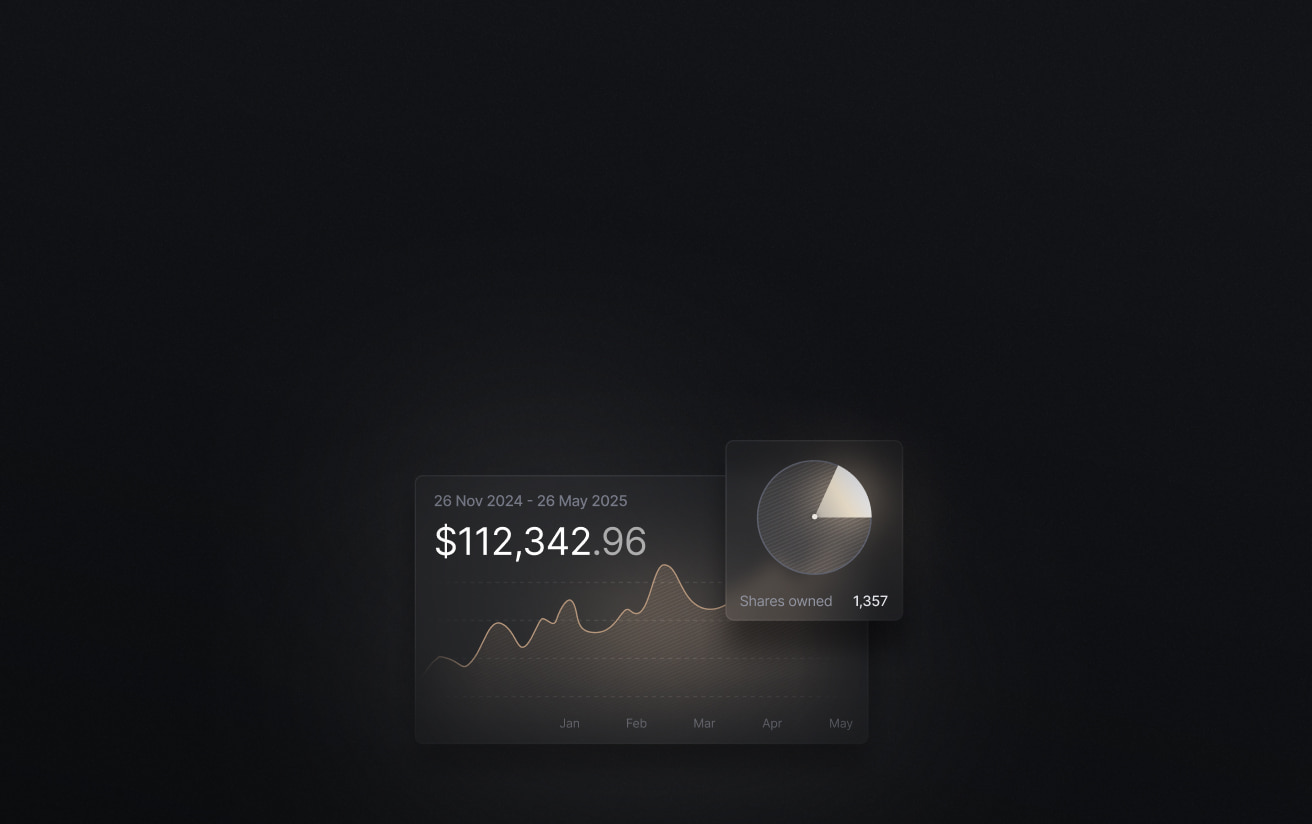
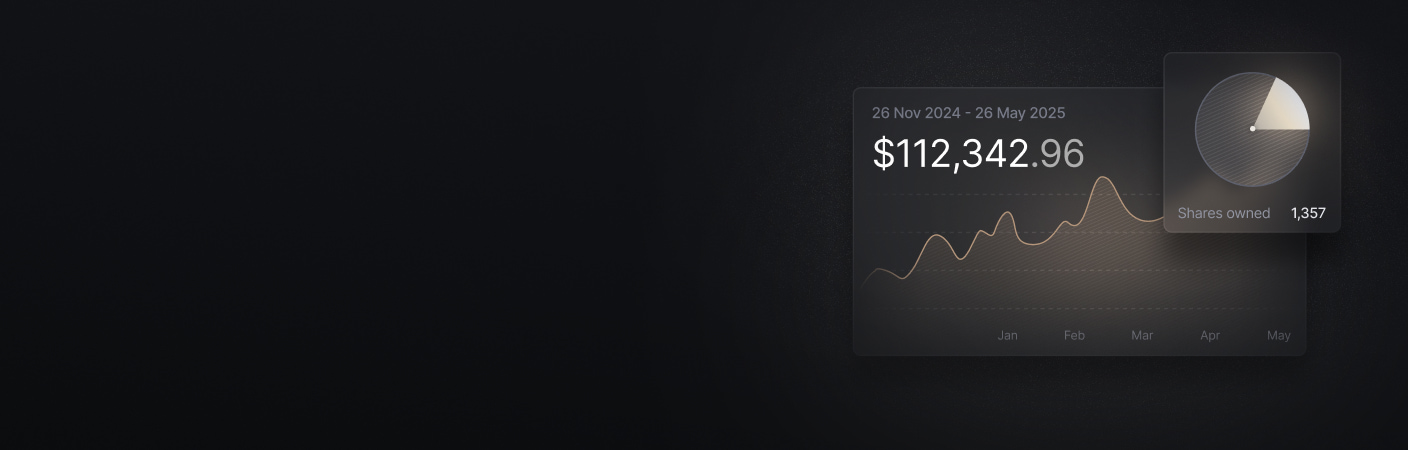
Money market funds, which hold short-term Treasury bills and similar debt, are currently paying close to the Fed's rate. The Crane 100 Money Fund Index, an average of the 100 largest taxable funds, showed a 7-day yield of 3.68% on October 1. Fidelity's institutional government money market portfolio was at 3.77% on October 7, while Slash’s annualized yield on Treasury as of Oct 8th was at 4.01%.⁶
At up to a 4% yield, close to Slash Treasury’s current rate on balances of $500,000 or more, here is what idle cash would earn before taxes compared with little to nothing in checking:
If the Fed raises rates another quarter point in October or December, the loss of holding $250,000 in checking instead of a Treasury account rises an extra $625 a year.
How much cash should your business keep in checking?
Start by figuring out how much cash your operating account needs to hold. Anything above that amount is idle. Your bank statements from the past year have the figures you need.
- Find your daily outflow. Total everything that left the account over the past six to 12 months and divide by the number of days. Count loan payments, owner draws and inventory purchases, not just operating expenses.
- Set an operating floor in days. Multiply daily outflow by the number of days you want covered without new revenue. Thirty is a common starting point. If customers pay on net-60 terms, your floor should cover that cycle.
- Identify known major expenses for the next 90 days. Estimated tax payments, annual insurance renewals, year-end bonuses, inventory deposits and loan maturities all belong here. These are certain, so they stay in the operating account.
- Treat the rest as idle. Your emergency reserve can sit in this bucket. It can earn interest as long as you can get to it quickly.
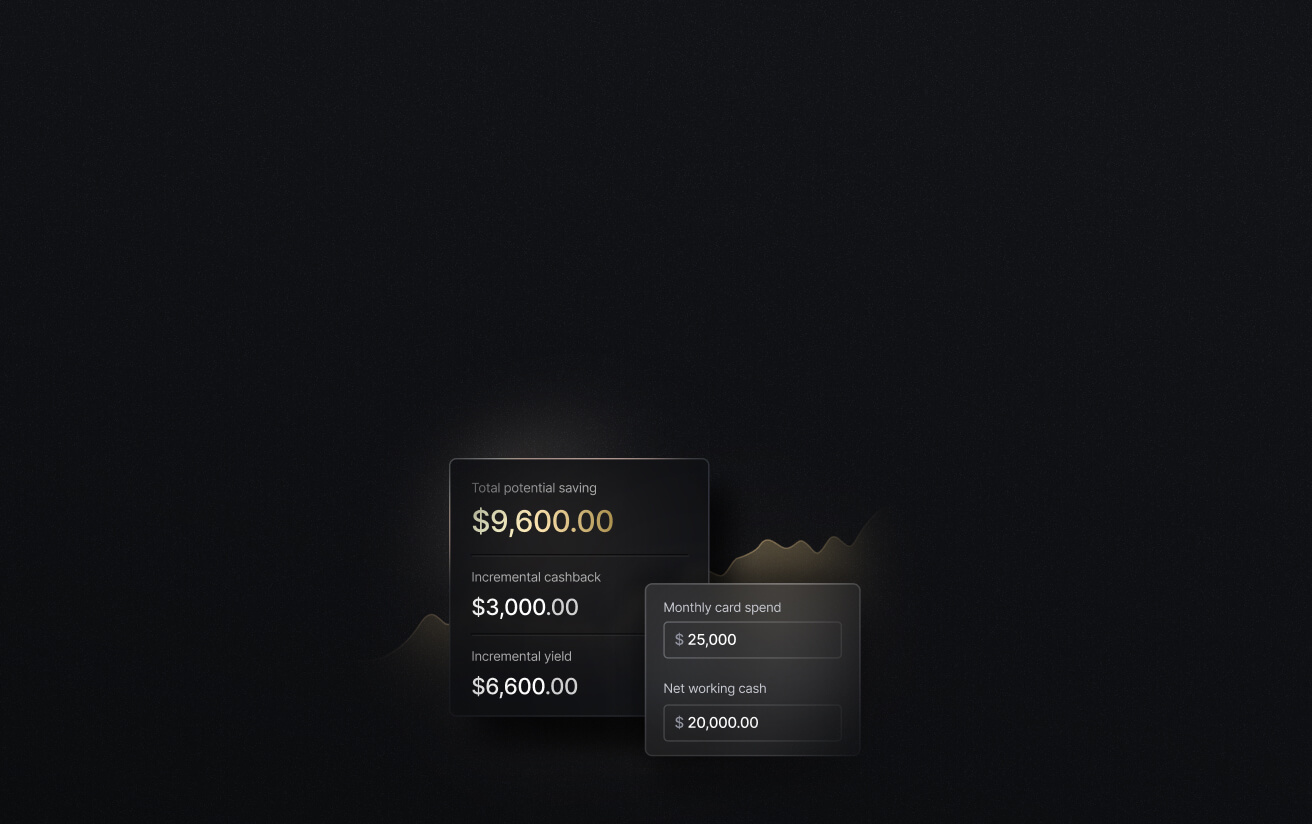
See the ROI behind your spend
Use this calculator to understand impact, then manage and track it all in Slash.

How to choose a business treasury account: NAV, fees and yield tiers
Two treasury accounts can advertise similar yields yet pay very different amounts on the same balance. Before you move cash, check three things: what the money is invested in, what the provider charges, and what balance the advertised rate assumes.
What does a treasury account invest in? Stable vs. floating NAV
A government money market fund seeks to hold its share price at $1.00. Many treasury products also offer ultra-short bond funds, which price daily and can lose value. Morgan Stanley's Ultra-Short Income Portfolio, for example, is not a money market fund and does not seek a stable share price. These funds usually pay a bit more, but their quoted yield measures income, not changes in share price. When rates rise, as they are now, the price of the bonds they hold can dip.
What fees do business treasury accounts charge?
Fund yields are already net of the fund's own expense ratio, but some providers add a separate annual management or advisory fee on top. On $250,000 earning 4%, a 0.60% fee costs $1,500 a year, or 15% of the interest. These fees often shrink as balances grow: Rho charges 0.60% below $2 million and 0.15% at $20 million or more. Also check for temporary waivers, such as Ramp's, which ends Oct. 31.
What balance do you need to earn the advertised yield?
Headline rates often assume the largest balances. Mercury's top published yield assumes $20 million or more in deposits, while Brex pays no extra return below $500,000. Some providers set your tier by your total balance across accounts, not just the amount invested. Before you open an account, find the provider's rate table and read the row for your balance.
Here’s how five fintech providers structure their treasury accounts, based on each company's published terms:
Earn yield on idle cash with Slash Treasury
Slash Treasury puts idle cash into two institutional funds without leaving the Slash dashboard. There is no minimum balance, and balances above $500,000 carry no management fee. You choose how to split your cash between two funds:
- BlackRock Liquidity Funds T-Fund (TSTXX). A government money market fund that holds cash, U.S. Treasury bills and notes, and repurchase agreements backed by Treasuries. It seeks to keep a stable $1.00 share price, which makes it the better fit for cash you may need on short notice.
- Morgan Stanley Institutional Ultra-Short Income Portfolio (MULSX). An ultra-short income fund that holds high-quality commercial paper, corporate debt, certificates of deposit and other short-term instruments. It offers slightly higher yield potential. Because it is not a money market fund, its share price can move, so it suits the slice of cash with the longest horizon.
Here is how the account works:
- Minimum. None. You can move any amount from your Slash operating account into Treasury.
- Liquidity. Withdrawals typically settle in one business day and land back in your Slash account.¹
- Protection. Treasury holdings are securities, held through Atomic Brokerage, a FINRA/SIPC member, and protected by SIPC up to $500,000, including $250,000 for cash claims. SIPC covers the failure of the broker-dealer, not a decline in fund value. Your operating cash stays in your Slash account, where deposits are FDIC-insured up to $150M through Column N.A. and its sweep network.²
- Yield. Each fund's yield adjusts with interest rates, so it rises when the Fed raises rates and falls when it cuts. Current yield and earnings are viewable in your dashboard.
The Fed announces its next rate decision on Oct. 28. If your checking balance is more than your business needs for the next month, you can move the extra into Slash Treasury from the same dashboard you use for payments and cards, with no minimum to start.
Apply in less than 10 minutes today
Join the 10,000+ businesses already using Slash.
Read more from us


