
Unknown chargesmean unknown risk

Understand your business exposure before it compounds.
Seeing a DUPLICATE POST charge on your statement?
Common ways DUPLICATE POST charges might appear on your statement
- DUPLICATE POST
- DUPLICATE TRANSACTION
- DUP POST
What is a DUPLICATE POST charge?
A “Duplicate Post” charge is not a merchant or company, but rather a banking or payment-processing entry. It indicates that the same transaction was accidentally submitted or posted more than once by the merchant or by the payment processor. Banks flag these as duplicate postings when two identical debits or credits (same amount, same merchant, same date) are processed due to system or communication errors.
Learn more about duplicate postings at your bank’s support site (column.com)
Common causes for DUPLICATE POST charges
- A merchant accidentally processed a transaction twice (for example, a cashier double-swiped your card or re-submitted a payment after a failed attempt).
- A system or network glitch during card authorization or settlement that caused the same payment to be transmitted twice.
- Re-posting of a pending transaction by your bank when the merchant batch settles, temporarily making it appear as two separate charges.
- A duplicate refund or credit reversal, in rare cases, when the processor posts both a pending and a final reversal entry.
- Online payments retried manually by the user when a website or app froze, leading to two identical authorizations.
Decoding DUPLICATE POST charge tags
- DUPLICATE POST / DUP POST / DUPLICATE TRANSACTION internal bank or network code indicating the same transaction was submitted twice.
- REV / REVERSAL / ADJ may appear alongside if the bank has already corrected or reversed one of the duplicates.
- PENDING / POSTED sometimes one entry remains pending while the other posts; the pending entry should disappear once settlement completes.
What to do
if you
don’t recognize this charge
Spot, verify, and resolve suspicious charges in minutes.
Contact your bank.
Call your bank using the number on the back of your card.

Contact the merchant.
Call their customer service to verify the charge and get transaction details.
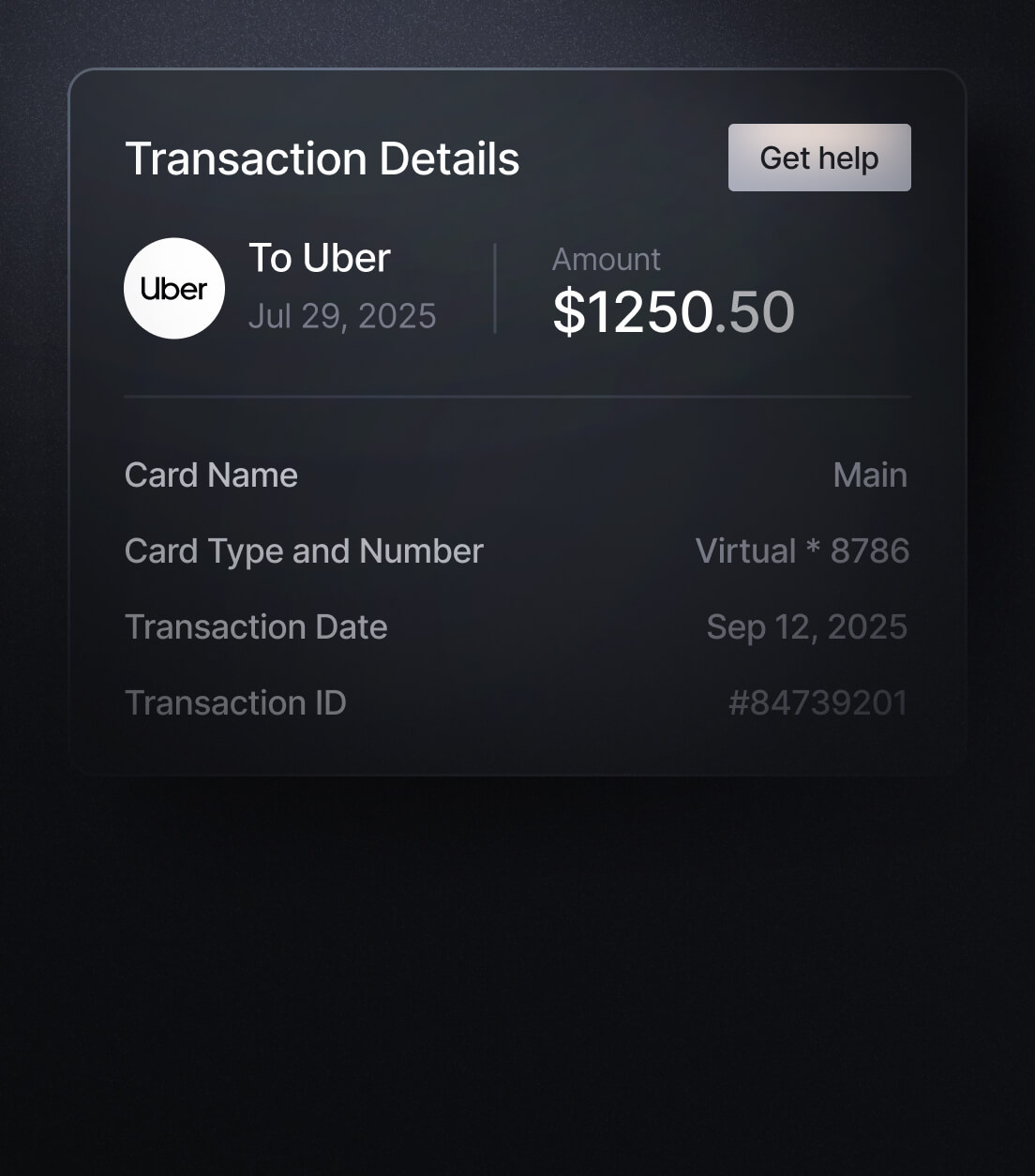
Dispute the charge & monitor account.
If it appears fraudulent, report it to your bank or card issuer.
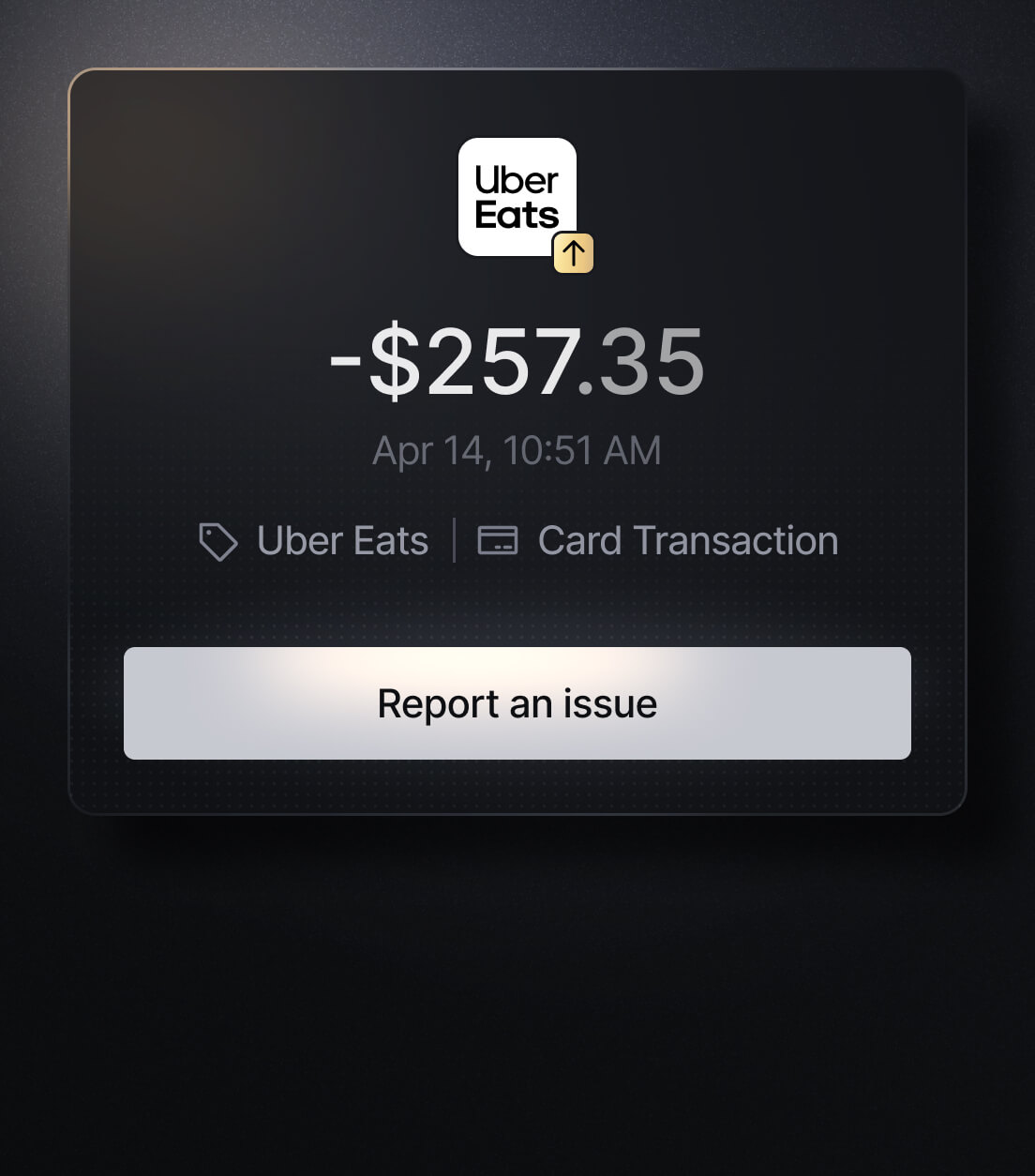
Easily Identify Every Charge with Slash
See exactly where, when, and how each charge occurred, complete with merchant names, payment types, and connected team cards with Slash’s detailed card logs and expense tracking tools.
Discover more insights


Apply in less than 10 minutes today
Join the 10,000+ businesses already using Slash.