
Unknown chargesmean unknown risk

Understand your business exposure before it compounds.
Seeing a RETURN WIRE IN [ORIGIN: STERLING PRESIDIO HOLDING COMPANY L] charge on your statement?
Common ways RETURN WIRE IN [ORIGIN: STERLING PRESIDIO HOLDING COMPANY L] charges might appear on your statement
RETURN WIRE IN [ORIGIN: STERLING PRESIDIO HOLDING COMPANY L]
What is STERLING PRESIDIO HOLDING COMPANY L?
The name “STERLING PRESIDIO HOLDING COMPANY L” appears to represent a corporate holding or finance entity (Sterling Presidio Holding Company L1) linked to a return-wire or reversal of funds transaction. Due to limited public details, it seems this descriptor is used when a wire transfer is returned (i.e., reversed) and the origin is designated as this company.
Common causes for RETURN WIRE IN [ORIGIN: STERLING PRESIDIO HOLDING COMPANY L] charges
- A returned wire transfer: you may have sent a wire (domestic or international) and the sending bank or intermediary reversed it, causing the descriptor “RETURN WIRE IN …” to appear.
- An incoming wire-return: you may have received a wire, then it was returned (due to incorrect account details, compliance hold, etc.), and the showing is the return of that payment.
- This descriptor does not typically represent a purchase, subscription or regular merchant charge; it’s a banking/wire processing notation.
Decoding RETURN WIRE IN [ORIGIN: STERLING PRESIDIO HOLDING COMPANY L] charge tags
- RETURN WIRE IN indicates the transaction is a return or reversal of a wire transfer.
- [ORIGIN: STERLING PRESIDIO HOLDING COMPANY L] identifies the originating entity or how the bank labels the source of the return wire.
- If the bank statement includes extra fields (date, reference, trace number), use those to match the wire return to your records or ask your bank for the “return wire detail” or “trace number” for clarity.
What to do
if you
don’t recognize this charge
Spot, verify, and resolve suspicious charges in minutes.
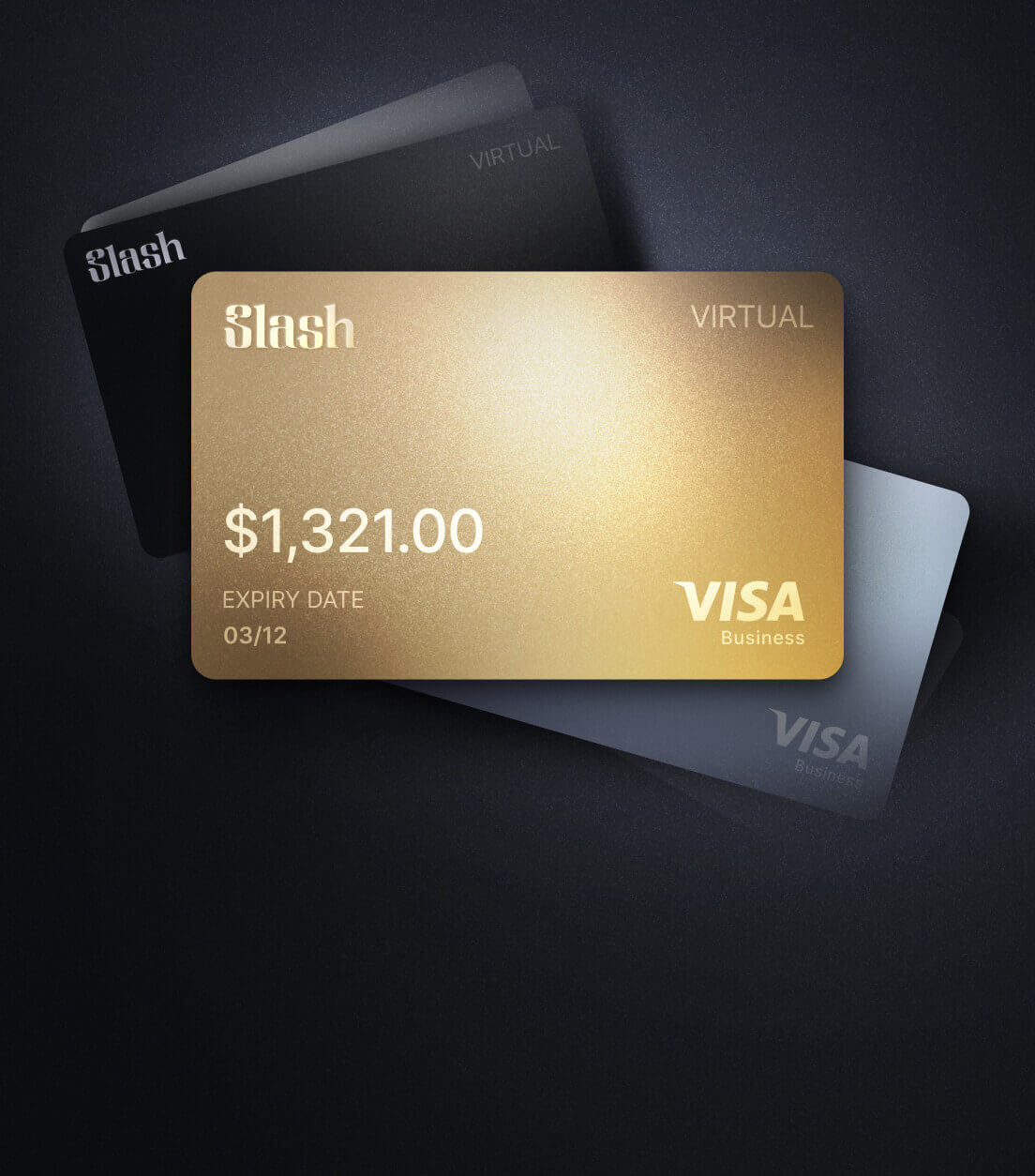
Contact your bank.
Call your bank using the number on the back of your card.
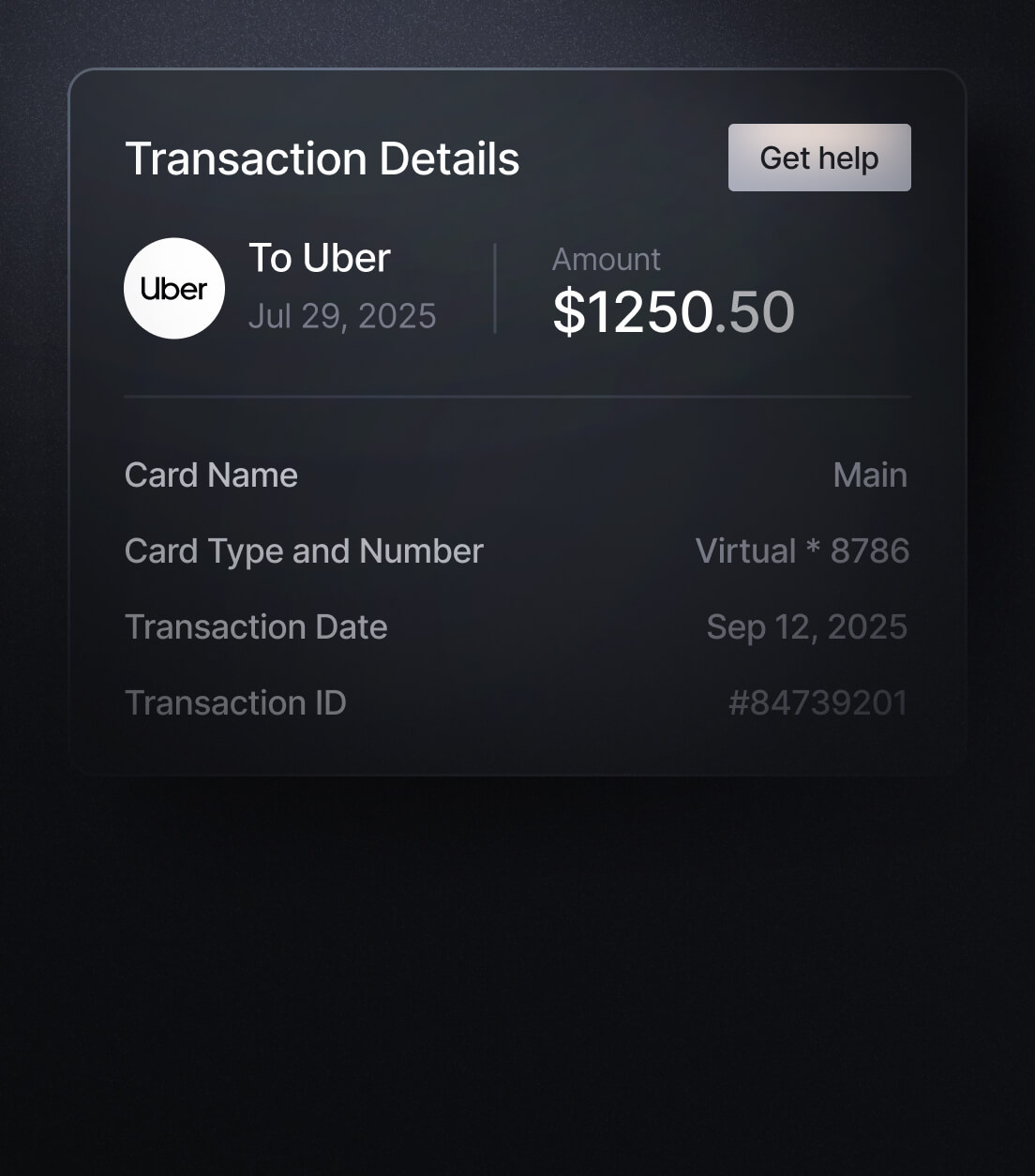
Contact the merchant.
Call their customer service to verify the charge and get transaction details.
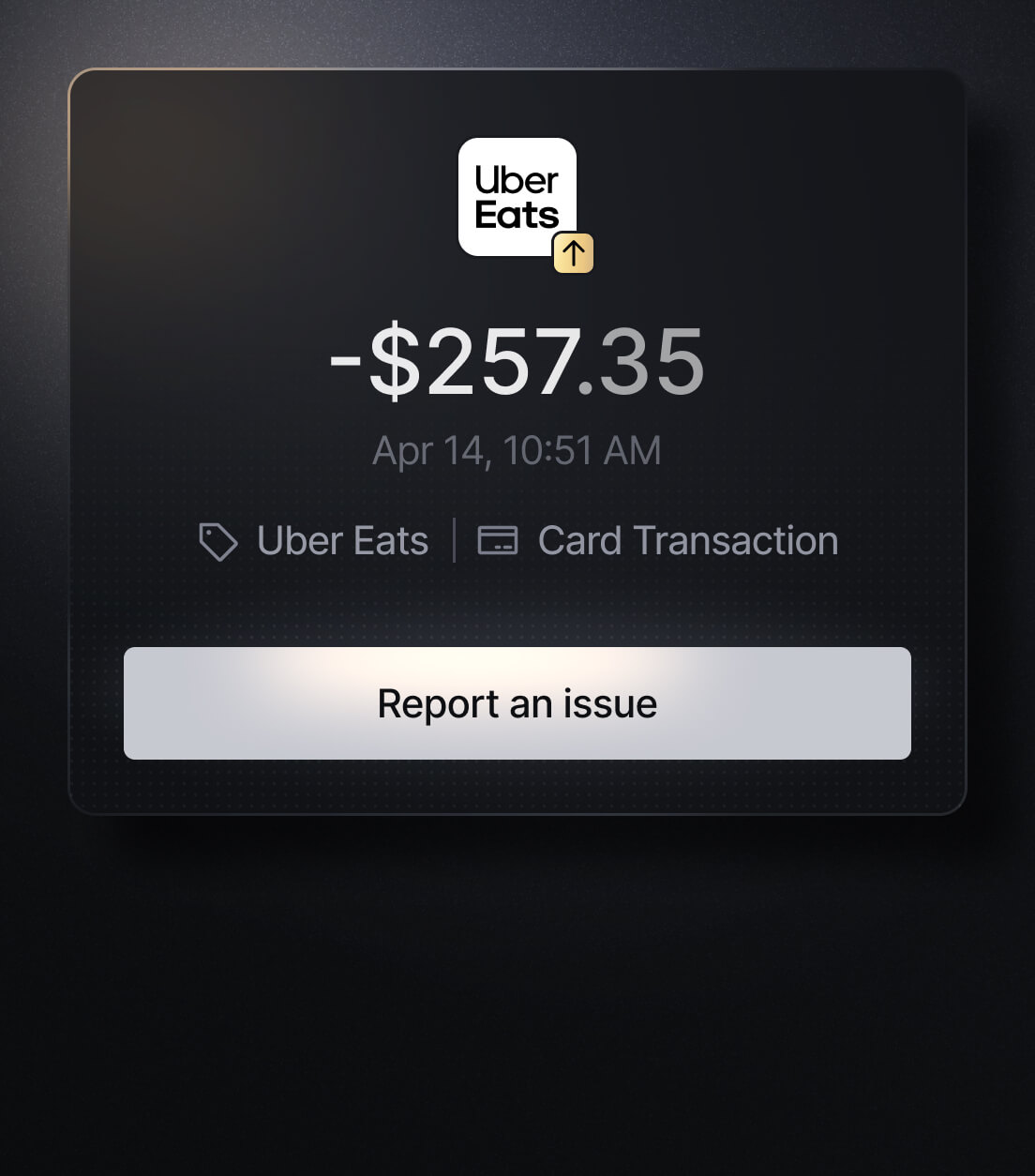
Dispute the charge & monitor account.
If it appears fraudulent, report it to your bank or card issuer.
Easily Identify Every Charge with Slash
See exactly where, when, and how each charge occurred, complete with merchant names, payment types, and connected team cards with Slash’s detailed card logs and expense tracking tools.
Discover more insights


Apply in less than 10 minutes today
Join the 10,000+ businesses already using Slash.