
Unknown chargesmean unknown risk

Understand your business exposure before it compounds.
Seeing a WELLS FARGO TREASURY charge on your statement?
Common ways WELLS FARGO TREASURY charges might appear on your statement
- WELLS FARGO TREASURY SVCS
- WELLS FARGO BUSINESS ONLINE
- WF BUSINESS PMT
- WELLS FARGO ACH CREDIT
- WELLS FARGO ACH DEBIT
- WELLS FARGO WIRE TRANSFER
- WF TREASURY MGMT FEE
- WELLS FARGO COMMERCIAL PAYMENT
- WELLS FARGO DEPOSIT FEE
- WELLS FARGO LOCKBOX
- WELLS FARGO ARP FEE
What is Wells Fargo Treasury?
Wells Fargo Treasury Management provides payment, cash-flow, and ACH solutions for business clients. These charges represent legitimate service fees, wire transfers, or ACH transactions initiated through business online banking or commercial accounts. Learn more at wellsfargo.com/com/treasury-management.
Common causes for WELLS FARGO TREASURY charges
- Monthly treasury management or account maintenance fees.
- Incoming or outgoing wire transfer costs.
- ACH origination or payroll file processing fees.
- Deposit correction or itemized cash deposit service charges.
- Lockbox remittance or check processing fees.
Decoding WELLS FARGO TREASURY charge tags
- WELLS FARGO TREASURY SVCS represents monthly or per-item fees for treasury management or business accounts.
- WF BUSINESS PMT / BUSINESS ONLINE identifies payments or transfers initiated from Wells Fargo’s Business Online Banking.
- ACH CREDIT / ACH DEBIT denotes automated clearing house transactions including credits to vendors or debits from customer accounts.
- WIRE TRANSFER shows a fee or posting for domestic or international wires.
- LOCKBOX / ARP FEE identifies remittance or account reconciliation program charges.
- COMMERCIAL PAYMENT indicates corporate disbursement transactions processed through Wells Fargo.
What to do
if you
don’t recognize this charge
Spot, verify, and resolve suspicious charges in minutes.
Contact your bank.
Call your bank using the number on the back of your card.
Contact the merchant.
Call their customer service to verify the charge and get transaction details.
Dispute the charge & monitor account.
If it appears fraudulent, report it to your bank or card issuer.
Easily Identify Every Charge with Slash
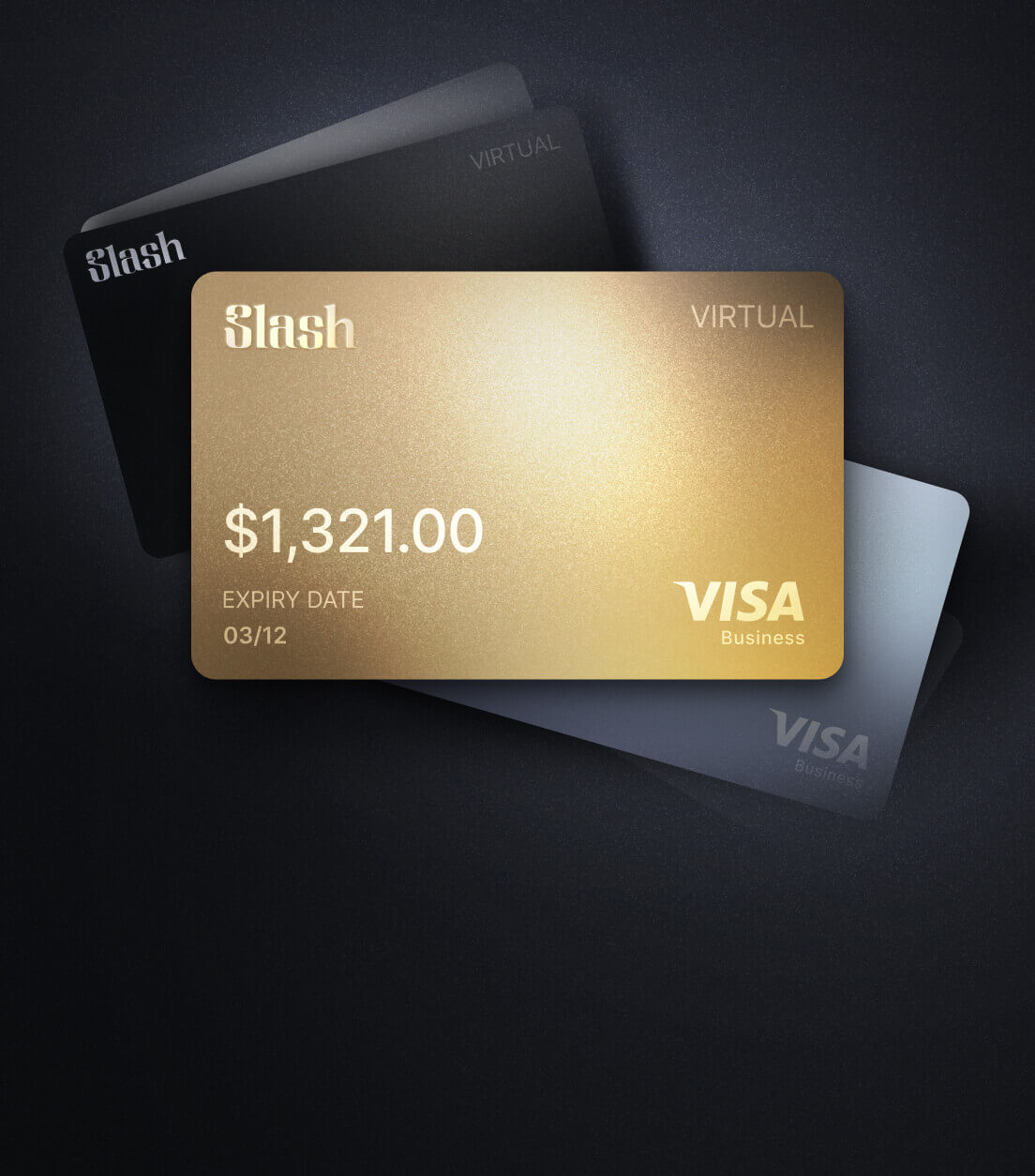
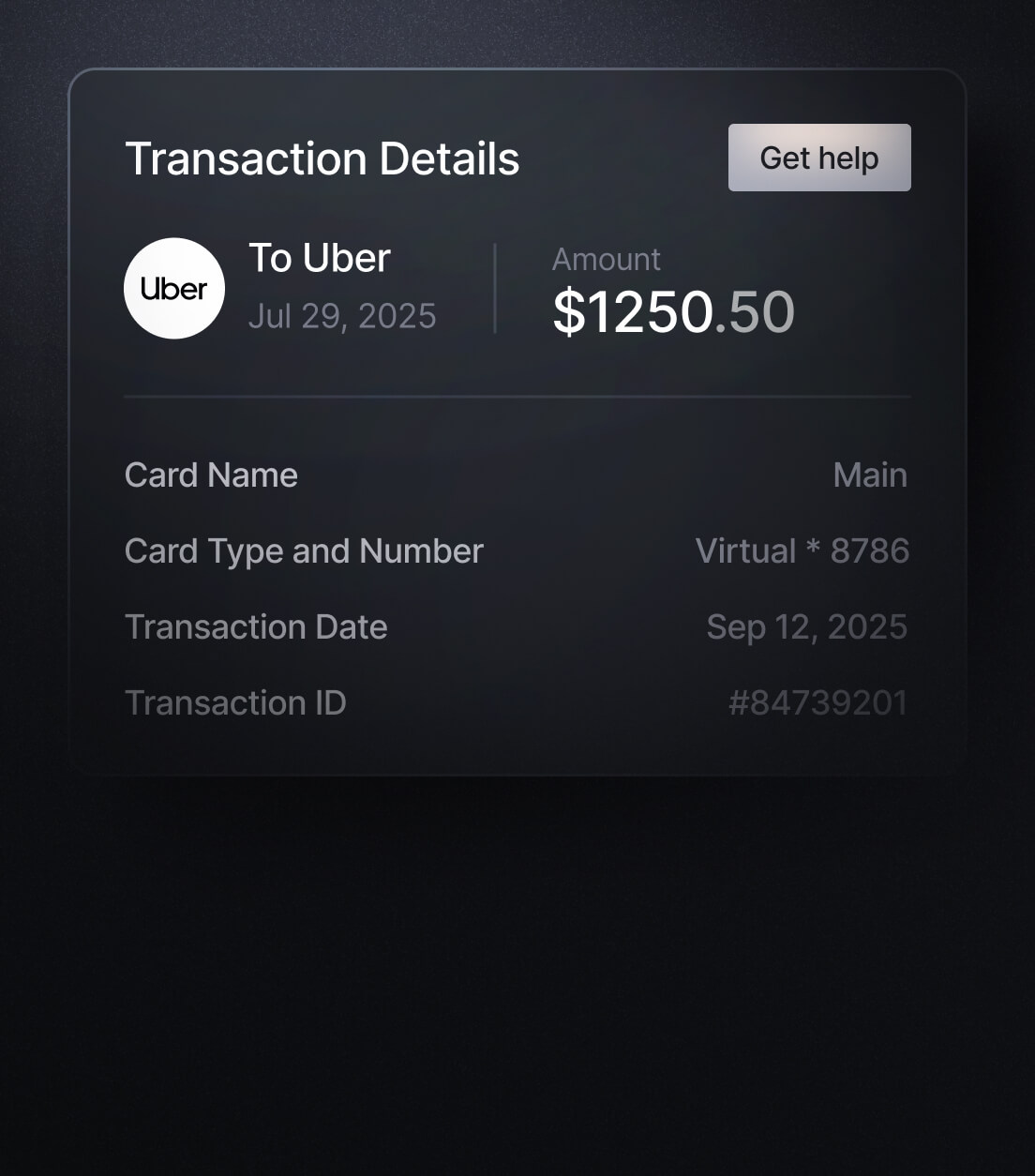
See exactly where, when, and how each charge occurred with Slash’s detailed card logs and automated expense tracking.
Discover more insights


Apply in less than 10 minutes today
Join the 10,000+ businesses already using Slash.