
Unknown chargesmean unknown risk

Understand your business exposure before it compounds.
Seeing an ADP charge on your statement?
Common ways ADP charges might appear on your statement
- ADP PAYROLL DEBIT
- ADP ACH DEBIT
- ADP SERVICE FEE
- ADP TAX PAYMENT
- ADP REFUND
- ADP PAYROLL ADJUSTMENT
- ADP ACCOUNT VERIFICATION
- ADP * [EMPLOYER NAME] PAYROLL
What is ADP?
ADP (Automatic Data Processing, Inc.) is a major U.S. payroll and HR services provider. It manages payroll processing, tax withholdings, direct deposit, benefits, compliance, and related employer services. Learn more at adp.com.
Common causes for ADP charges
5 common reasons you may have initiated an ADP charge:
- Debiting the employer’s bank account to fund payroll or tax liabilities.
- Monthly or periodic service fees for payroll or HR software.
- Adjustments or corrections made to prior payroll runs or tax entries.
- Refunds issued following overpayment or reversal of a payroll entry.
- Micro-deposits or verification transactions to confirm bank account access.
Decoding ADP charge tags
- ADP PAYROLL DEBIT indicates an ACH debit from the employer’s account to fund employee payroll and withholdings.
- ADP ACH DEBIT is a generic descriptor for an ACH pull initiated by ADP under a client’s authorization.
- ADP SERVICE FEE marks charges for ADP’s platform, maintenance, or service agreements.
- ADP TAX PAYMENT represents ADP remitting payroll taxes, contributions, or filings on behalf of the employer.
- ADP REFUND identifies a credit back to the employer’s account for overpayment or reversed transactions.
- ADP PAYROLL ADJUSTMENT signals corrections made after payroll was processed (e.g. recalculations, retroactive changes.)
- ADP ACCOUNT VERIFICATION denotes small test transactions (deposits/withdrawals) to verify the designated bank account.
- ADP * [EMPLOYER NAME] PAYROLL shows the employer’s name appended to ADP’s descriptor, helping tie the debit to that specific client’s payroll run.


What to do
if you
don’t recognize this charge
Spot, verify, and resolve suspicious charges in minutes.
Contact your bank.
Call your bank using the number on the back of your card.

Contact the merchant.
Call their customer service to verify the charge and get transaction details.
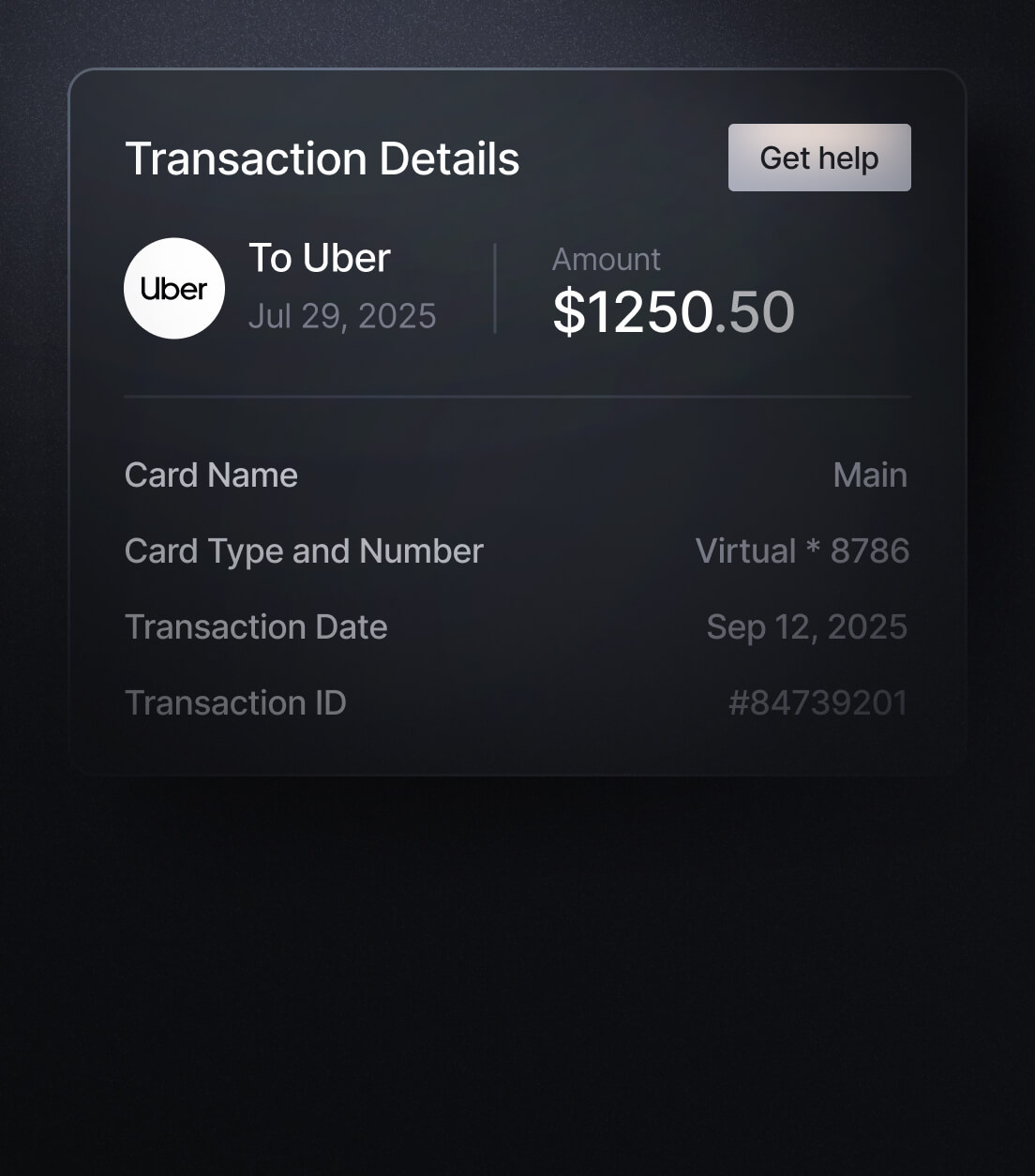
Dispute the charge & monitor account.
If it appears fraudulent, report it to your bank or card issuer.
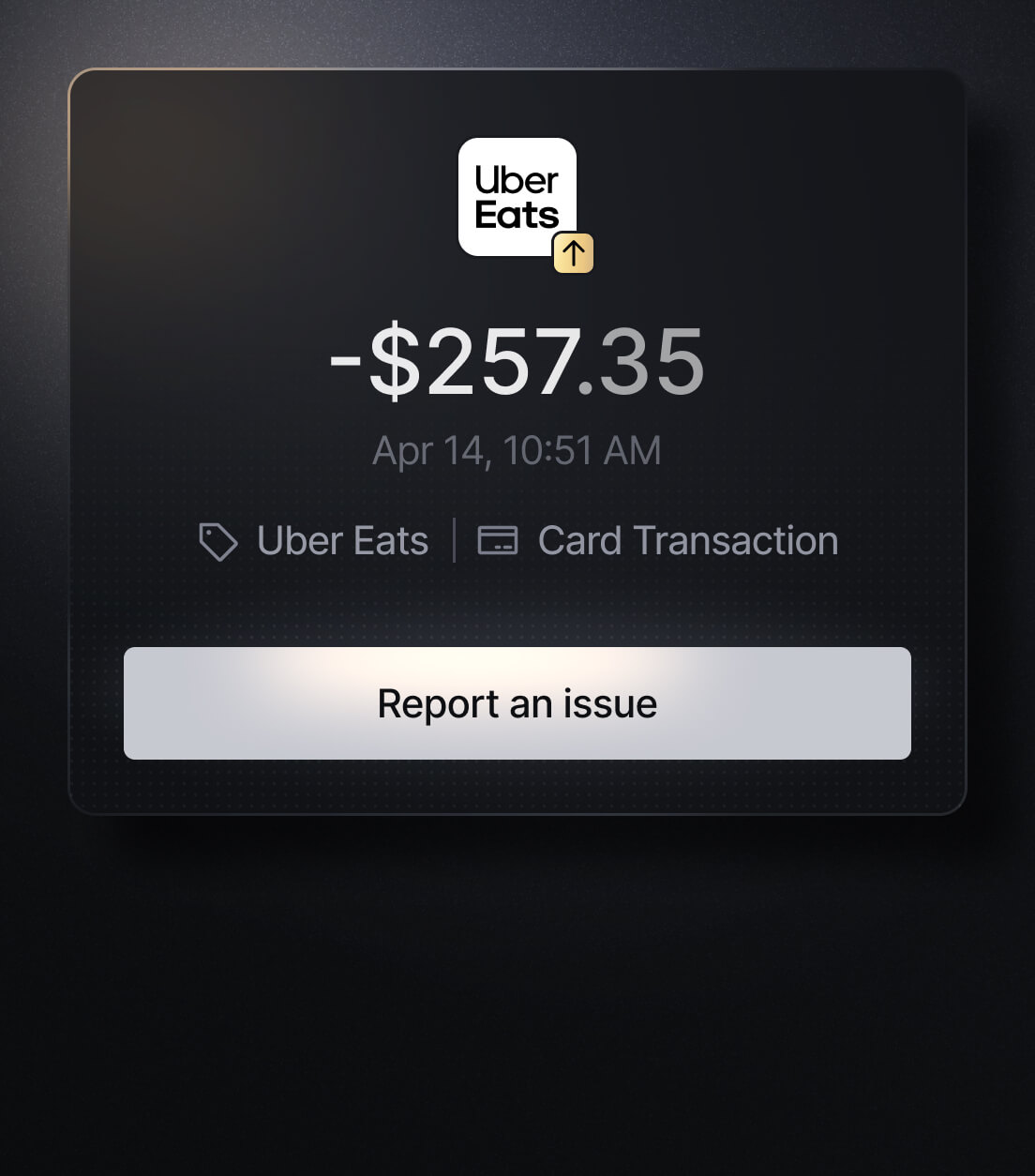
Easily Identify Every Charge with Slash
See exactly where, when, and how each charge occurred, complete with merchant names, payment types, and connected team cards with Slash’s detailed card logs and expense tracking tools.
Discover more insights


Apply in less than 10 minutes today
Join the 10,000+ businesses already using Slash.