

What Is Multi-Entity Accounting: A Complete Guide for Small Businesses
When companies grow beyond a single entity, their finances can start to get a bit messy. What used to be straightforward bookkeeping for one LLC becomes significantly more challenging when they manage multiple subsidiaries, expand to different regions, or structure operations across separate legal entities.
Each entity comes with its own distinct financial records, compliance requirements, and reporting needs. Manually juggling several accounts can lead to errors that distort financial statements, create legal headaches, and waste valuable time. Multi-entity accounting software is designed to centralize these processes and minimize potential mistakes.
This guide explains what multi-entity accounting software is, why it becomes necessary as companies scale, who needs it, and best practices for managing it effectively. We’ll also explore how a multi-entity banking platform like Slash can pair with your accounting software to connect transactions, account balances, payment approvals, and expense reporting across your entire organization.¹
What Is Multi-Entity Accounting?
An organization with multiple entities operates through separate legal structures such as LLCs, corporations, subsidiaries, or branches. Each of these structures must manage their own financial data while still functioning as part of a larger organizational structure. Multi-entity accounting software is built to consolidate financial data from all entities into one system while maintaining distinct separation for compliance and reporting.
This software allows users to view both the performance of the individual subsidiaries and the performance of the parent company alongside those subsidiaries. Aligning these views makes financial forecasting easier and reduces the tedious work of reconciling differences between entities.
As companies establish entities to enter new markets, states, or countries, accounting can become more complex. Adopting dedicated software helps ensure regulatory compliance and accurate budgeting without the extra manual work.
How Multi-Entity Accounting Works
There are four main components to multi-entity accounting:
- Managing financial records across subsidiaries: Each entity is a separate legal "person" with its own obligations, ownership structure, and regulatory requirements. For that reason, individual entities maintain distinct sets of financial records that must be tracked separately.
- Consolidation for reporting: While each subsidiary operates independently, it's important to align their data to get a holistic picture of organizational performance. Consolidation combines financial data from all entities into unified reports showing aggregate revenue, expenses, assets, and liabilities.
- Inter-company transactions: When an entity provides services or lends money to another entity within the same organization, it’s considered an inter-company transaction. These must be accounted for during consolidation to avoid double-counting or misaligned records.
- Compliance and tax considerations: Different subsidiaries can often have separate tax obligations, regulatory requirements, and reporting deadlines. Multi-entity accounting software can help each entity produce accurate financial reports and tax returns that hold up to audits.
Why Multi-Entity Accounting Gets Tough Fast
As an organization creates subsidiaries, financial operations can become significantly more complex. Here are some hurdles finance professionals encounter with expanding companies:
- Inter-company reconciliation: Every transaction between entities must be reconciled. When Entity A sends a payment to Entity B, both sides have to match perfectly. However, timing differences, recording errors, or incomplete documentation create discrepancies that can require investigation and correction.
- Multi-currency management: When entities operate in different countries, the parent company may maintain records in their local currency while their subsidiary operates with a different currency. Exchange rate fluctuations that occur between transactions can skew financial data and complicate reporting.
- Regional compliance requirements: Different jurisdictions impose unique accounting standards, tax rules, reporting deadlines, and audit requirements. For example, an entity operating in California likely faces different requirements than one in Delaware or the United Kingdom.
- Data silos and limited visibility: A parent company may have a difficult time making heads or tails of their financial data when each of their subsidiaries uses different systems or accounting solutions to manage their finances. Dedicated multi-entity software aligns all reports and enhances visibility.
Best Practices for Managing Multi-Entity Accounting Effectively
Multi-entity accounting software can help you stay organized and compliant – but it can’t do everything by itself. Here are some methods of keeping consistent while working across subsidiaries:
Centralize Financial Visibility
Organizations need a single, reliable view of performance across all subsidiaries while still preserving entity-level detail for decision-making and compliance. This isn’t easy, especially if certain workflows are still done manually.
Multi-entity accounting software makes this possible by automating tasks like financial reporting, tax filing, reconciliation, and invoice management. When visibility is centralized, leadership makes better decisions faster. They can identify which entities are thriving, which face challenges, where to allocate resources, and how expansion is contributing to overall success.
You can unlock another level of financial visibility when your banking and accounting systems work together seamlessly. This is possible with Slash, a multi-entity banking platform purpose-built for businesses overseeing multiple subsidiaries. Thanks to integrations with accounting platforms like QuickBooks Online and Xero, Slash’s automation tools and dedicated dashboard can help unify financial operations across all your entities.
Keep Your Chart of Accounts Standardized
Consistency is key. When a company has multiple subsidiaries and dozens of different accountants, you’ll often end up with a variety of approaches to charts of accounts (CoAs). When each entity uses CoAs that consist of identical templates, naming conventions, and category structures, consolidation becomes straightforward instead of confusing.
It’s also important to standardize the workflows that feed information into these charts, such as inter-company transactions and approvals. The sooner you establish these CoA conventions, the better; it’s much more difficult to transform existing charts than it is to set standards from the start.
Automate Reconciliation and Inter-company Processes
Manual reconciliations, transaction matches, and inter-company entries often consume time and lead to human error. Fortunately, many multi-entity accounting solutions enable users to automate these tasks.
Not only does automation save time and effort, but certain systems can also flag mismatches and errors for investigation. This eliminates issues that may have been previously overlooked by busy accountants. With Slash, you can automate even more processes, including approval workflows and real-time data syncing.
Automation complements human work rather than replacing it. With certain exceptions and flagged discrepancies, professionals can still help fix and streamline complex processes that deserve extra attention. Ultimately, automation reduces repetitive manual work so finance staff can focus on analysis, compliance, and strategic support rather than spending days on reconciliation.
Maintain Clarity Between Entities
It can be difficult to promote consolidated oversight while keeping each subsidiary’s finances separate and distinct. You need to maintain clear boundaries in transaction recording, ensuring each entity's financial position reflects only its own activity.
The right multi-entity solution provides both subsidiary-specific views and overhead views from the same underlying data, keeping entities separate while enabling consolidation. For instance, Slash offers unlimited virtual accounts that make it easy to retain unified visibility without mixing up finances.
Build Scalable Systems from the Start
Creating a scalable system is all about planning ahead and preparing your workflows for growth before it happens. This means choosing banking and accounting platforms that are built for more entities than you currently have.
Scalable software can handle additional entities without requiring fundamental restructuring, maintain performance as transaction volume grows, and support new subsidiaries without months of extra work. Make sure the processes you set up aren’t meant for “just one more” entity – workflows that handle two subsidiaries may not work when your organization creates another five.
See the ROI behind your spend
Use this calculator to understand impact, then manage and track it all in Slash.


Who Needs Multi-Entity Accounting?
Companies with widespread operations aren’t the only organizations that need multi-entity accounting solutions. Let’s take a look at some examples:
Businesses Operating Multiple Subsidiaries or Franchise Units
Companies with multiple operating subsidiaries may require multi-entity accounting tools to effectively provide centralized oversight. Franchise-based organizations such as fast food restaurants can also utilize this software, as any location with an independent owner is considered its own entity.
When it comes to different locations operating under one parent company, it’s important not to mix up franchises and branches. Branches rarely operate as separate subsidiaries, while franchises almost always do.
Example: A retail company operating stores through multiple state-specific LLCs can use multi-entity accounting to track each LLC's performance in one place.
Organizations with Operations Spanning Multiple Countries or Regions
International operations typically require separate legal subsidiaries in each country due to regulatory requirements, tax laws, or operational necessity. Multi-entity accounting is key for consolidating finances among cross-border entities.
Example: A software company with a US parent company and subsidiaries in Canada, the UK, and Australia can use multi-entity accounting to maintain compliant books in each jurisdiction and centralize global performance in USD.
Startups Entering New Markets or Navigating Layered Funding and Ownership Structures
As soon as a high-growth startup begins considering expansion, they should take a look at multi-entity accounting software. Diving headfirst into new subsidiaries without sufficient preparation is a recipe for errors, whether that’s during tax season or during an audit. It’s also possible for new entities to form due to shifting ownership structures or investor requirements, meaning the need for multi-entity tools can arise earlier than founders might expect.
Example: A venture-backed startup in its early-revenue stage plans ahead by creating a Delaware C-corp for US operations, a Canadian subsidiary for Toronto operations, and a separate entity for IP holdings.
Unify Banking and Accounting Across Entities with Slash
Your accounting platform can help streamline your finances across subsidiaries, but it may not be a complete solution. Slash can connect your banking operations directly to your accounting software, eliminating the gap between transactions and bookkeeping records.
Slash is a multi-entity banking platform built specifically for businesses that manage several subsidiaries. Our solution provides capabilities that help finance teams manage banking and spending across multiple entities, such as:
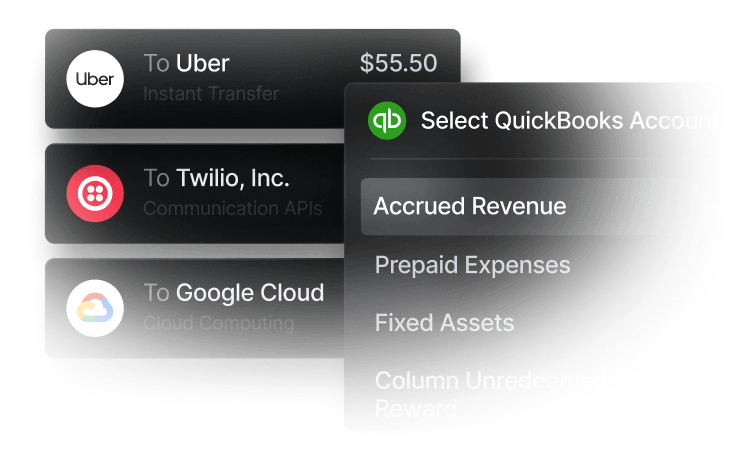
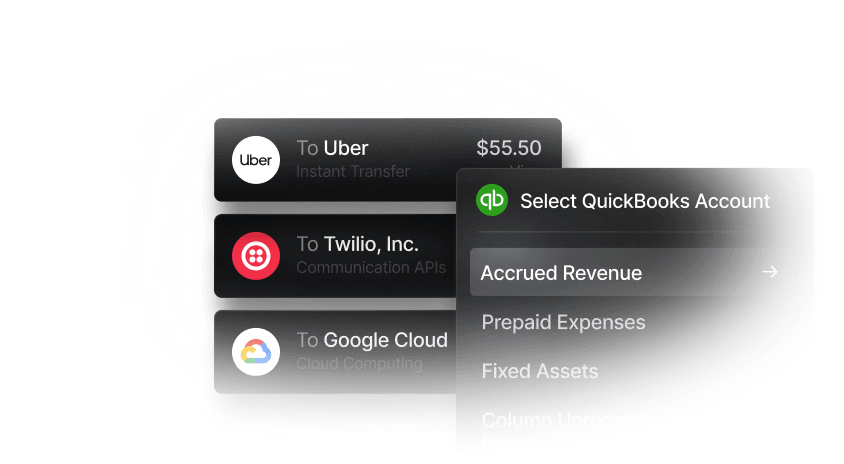
- Automated transaction syncing: Transactions from all entities sync automatically into accounting tools like QuickBooks Online and Xero, reducing manual data entry and ensuring financial records stay current.
- Configurable virtual accounts: Create unlimited virtual accounts tailored to specific purposes, entities, or revenue streams, making it easy to segment cash flows and track them on one dashboard.
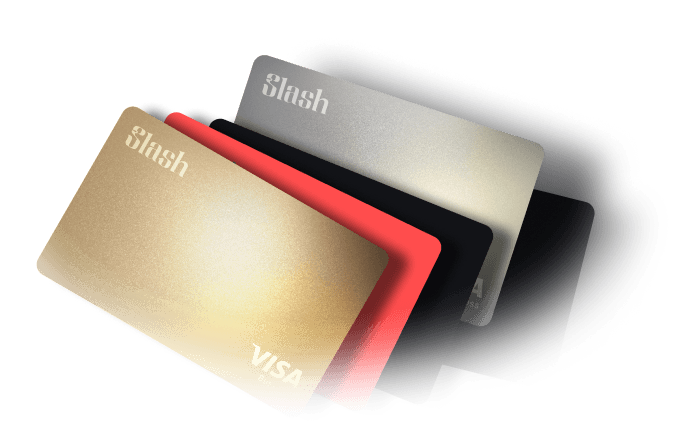
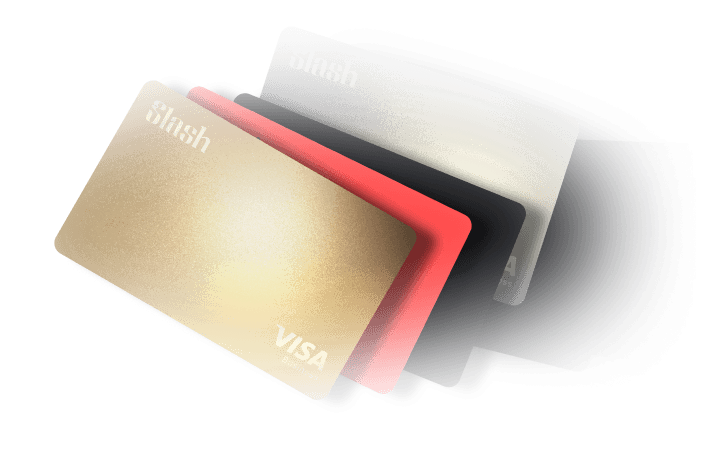
- Unlimited virtual cards: Issue business cards with customizable spend controls and up to 2% cashback. No matter what subsidiary the employee is a member of, all transactions can be automatically categorized, tracked, and flagged for suspicious activity.
- Global payments: Send wires to 180+ countries with support for ACH, RTP, and FedNow. On- and off- ramp funds into USD-pegged stablecoins for fast, low-cost transfers outside of traditional banking channels.⁴ Pro users pay no additional fees per transaction.
When it comes to multi-entity accounting, the right processes and connected tools help reduce risk, strengthen decision-making, and support sustainable growth without adding operational complexity. While accounting software can manage records, efficiency improves as a whole when your banking activity and financial data work together in a unified system.
Apply in less than 10 minutes today
Join the 10,000+ businesses already using Slash.
Frequently asked questions
How can multi-entity accounting software streamline accounts payable management?
Accounts payable (AP) is another example of a process that becomes more complex among multi-entity businesses. Leading multi-entity accounting software supports AP automation by digitizing invoices, routing them through subsidiary-specific approval workflows, and even sending automated invoice reminders.
How to Streamline the Accounts Payable Process for Faster Payments & Better Cash Flow

What is the difference between multi-entity accounting and multi-department accounting?
Multi-entity accounting manages separate legal entities, each with its own complete financial records, tax obligations, legal identity, and business needs. Each entity must maintain distinct financials for legal, tax, and regulatory purposes.
Multi-department accounting manages different operational units within a single legal entity. Departments share the same legal identity, tax return, and regulatory obligations.
What are consolidated financial statements?
Consolidated financial statements combine the balance sheets, income statements, and cash flow reports of a parent company and its subsidiaries into a single entity's financial report. They eliminate inter-company transactions to present a unified, holistic view of the entire group's financial health.
Top Fintech Platforms for Multi‐Entity Banking in 2026

Read more from us


