

How Businesses Use Sub-Accounts to Organize Their FInances
Have you ever been to a library that had one enormous section labeled, “Books”? We doubt it. You would struggle to find your way around and pick out a novel or author without detailed categorization. Why, then, do some companies gather all their expenses and payments together in one checking account?
As businesses grow, managing finances through a single account becomes increasingly difficult. As revenue streams multiply and expenses diversify across departments, the transaction history inside a checking account can become very difficult to parse. Just as library sections can help readers pick out the right book, bank account sections can help accountants and finance managers identify and separate certain transactions. This is where sub-accounts become useful.
By structuring finances into smaller, purpose-built categories, companies can monitor budgets, track spending by team or function, and simplify financial management without opening separate top-level bank accounts. In this guide, we’ll explain what sub-accounts are, how they work, and why businesses use them to manage finances more effectively. We’ll also take a look at how Slash can help finance teams manage their transactions using unlimited sub-accounts, automated expense categorization, and a real-time dashboard that centralizes all financial activity.¹
The standard in finance
Slash goes above with better controls, better rewards, and better support for your business.

What Are Sub-Accounts, and What is the Purpose of Using Them?
A sub-account is a smaller, nested account that exists within a larger primary account, or “parent” account. Sub-accounts allow individuals and businesses to compartmentalize funds by purpose, department, project, or category. While the primary account links these smaller accounts together, its balance isn’t affected by transactions made within its sub-accounts.
Businesses primarily use sub-accounts to keep their finances organized by separating cash flows that connect to different teams and projects. Some other benefits of using sub-accounts include:
- Better financial organization: Funds are separated and categorized by purpose instead of being pooled together, which can paint a clear picture of how money is allocated across the business.
- Clearer cash flow visibility: With dedicated accounts for distinct functions, teams can see what’s coming in and going out in each category without digging through financial statements..
- Simplified budgeting: Assigning a budget to a sub-account and tracking its activity is often easier than trying to budget for an isolated type of expenditure within a primary account.
- Improved reporting and reconciliation: Sub-accounts categorize expenses at the source, reducing the manual work required at month-end close and minimizing mistakes that may arise from parsing messy records.
- Easier financial tracking across teams: When each business unit operates in its own zone, performance analysis can become easier and wires won’t be crossed between departments.
As useful as they can be, some come with constraints that can vary by bank and provider. Here are some drawbacks to look out for:
- Some sub-accounts don’t carry their own account numbers, which means incoming and outgoing payments must first be passed through the parent account. This is an inconvenience that impacts efficiency and somewhat defeats the purpose of sub-accounts in the first place.
- Access permissions may be restricted on some platforms, which means only users with a paid subscription can utilize sub-accounts. This may be an improvement to security, but it can also be a detriment to flexibility.
- Reporting capabilities and transparency can vary. Some implementations offer granular access into sub-account spending, while others provide minimal visibility. With Slash, each sub-account has its own exportable transaction history, meaning financial statements are always organized and available. fully available at all times.
How Do Sub-Accounts Work?
Sub-accounts operate on what’s called a “parent-child relationship.” The main account (the parent) owns the funds and controls the overall balance. The sub-accounts (the children) organize money internally, but their funds remain part of the broader account structure. That said, if someone spends $500 from a sub-account, the withdrawal will reflect in that sub-account, but it won’t reflect in the parent account’s total balance. If you allocate money to a sub-account, expenditures draw from that isolated amount.
The main account controls balance and ownership; all funds ultimately belong to the primary account holder. This account is represented on legal documents, receives deposits, and holds the relationship with the financial institution. When money is allocated to sub-accounts, it’s simply relabeled and sorted within the existing structure.
Slash offers sub-accounts with their own account and routing numbers, meaning they can send and receive funds independently of the parent. Slash users can also transfer money from one sub-account to another without having to pass through the main account first.
Types of Sub-Accounts with Examples
Sub-accounts can either be used for business operations or for personal financial management. Let’s take a look at some common account setups you may consider:
Personal Sub-Accounts
Personal sub-accounts help organize individual or household expenses by financial goal, category, or balance. You might open sub-accounts for:
- Savings: A savings sub-account can help users separate their reserved funds from cash they make available to spend. Whether dedicating money to tuition payments, future retirement, moving expenses, or an emergency fund, savings sub-accounts can be valuable for future budgeting. While most banking platforms do offer dedicated savings accounts, opening sub-accounts for the same purpose can offer deeper levels of organization and clarity.
- Expenses: Expense sub-accounts can be used to sort personal expenses of any kind. You could organize an account for streaming service subscriptions, car payments, rent, groceries, or anything else you may want to budget for and unlock extra visibility into.
- Debt Payments: Recurring loan and debt payments can be especially difficult to reconcile when they’re constantly billing your main checking account. Separating these payments into their own sub-accounts can help users save for them and clean up financial activity overall.
Business Sub-Accounts
On the business side, sub-accounts commonly map to certain departments or expense categories. They give finance managers a structured way to track spending against budgets in real time. Businesses may use these accounts to manage:
- Payroll: A payroll sub-account may include salaries and wages, payroll taxes, and employee benefits like health insurance and retirement contributions. These accounts can also be used to help create a clear audit trail for payroll-related tax reporting, which can save finance and HR teams valuable time.
- Marketing: Marketing sub-accounts track all advertising and promotional expenditure in one place. This can cover paid advertising costs, PR, sponsorship expenses, sales promotions and discount programs, and market research spend. Businesses that run campaigns across multiple channels or agencies can take advantage of a dedicated sub-account to ensure all marketing expenses are visible in one spot.
- Customer Accounts: Financial activity tied to client relationships can be tracked in a customer accounts sub-account. This often includes accounts payable (AP), accounts receivable (AR), customer refunds, and scenario-specific discounts. Businesses with complex operations may choose to work with more granular sub-accounts that separate activity by AP and AR.
Best Practices for Managing Sub-Accounts
Once you set up your sub-accounts, you'll likely want to iterate and keep building as you learn more about your cash flow. Here are a few best practices that keep sub-account frameworks working as intended:
Define Spending Limits
Assigning a clear spending limit to each sub-account unlocks strict, clear budgeting guidelines in an instant. When team leads know that their department’s sub-account has a defined ceiling, spending decisions often become more deliberate. Finance managers that monitor multiple departments can easily see how close each team is to those ceilings.
Keep Your Sub-Account Structure Simple
While it may sound fun to create a sub-account for every expense from dental plans to office snacks, there comes a point where extra complexity adds more trouble than it’s worth. It’s best to strike a balance between broad categories that don’t provide much clarity and hyper-specific categories that clutter monthly reports.
Regularly Review and Adjust
As important as it is to keep an eye on each sub-account, it’s also important to consistently review the structure at large. This may include opening and closing certain accounts, tracking spending patterns to identify whether budgets are realistic, and updating limits as the business grows or priorities shift. A sub-account structure that made sense a year ago may need to be reconfigured if revenue or headcount has changed significantly.
Checking Accounts vs. Sub-Accounts vs. Separate Bank Accounts
While sub-accounts are valuable tools in many business scenarios, some companies may instead choose to open a few separate bank accounts – or stay committed to their original checking account. Each structure has its own benefits and may suit a different stage of business growth. Let’s look at a direct comparison across the key criteria that matter most:
For many businesses, sub-accounts offer enough structure to improve visibility without the overhead of managing entirely separate accounts. This balance can support clean bookkeeping, responsible spending, and extra financial control.
Sub-Accounts in Modern Business Banking
Not all traditional banks offer dedicated sub-accounts, and the ones that do may not offer individual account numbers that allow the transfer of funds. For this reason, some companies that wish to move nimbly with a wide variety of sub-accounts have turned to fintechs and modern banking platforms to expand their financial toolsets.
Today, most fintechs allow teams to create, fund, and manage sub-accounts without any additional cost and no wait. Slash offers a further level of financial freedom by allowing unlimited sub-accounts (or virtual accounts, as we call them) that come with their own routing and account numbers. This gives users the power to send and receive ACH payments, wire transfers, and direct deposits to and from their sub-accounts.
With our platform, you can assign virtual or physical charge cards that draw directly from a sub-account’s balance. These expenditures are reflected on our all-in-one financial dashboard, where business expenses, card spend, B2B transfers, and more are centralized and synced in real time. Additionally, each sub-account comes with its own transaction history that can be exported and reconciled independently.
Slash accounts can come with distinct permission levels; cardholders only see the accounts linked to their cards, while managers can make sub-account transfers and administrators get full access to all types of accounts. Balances within our accounts can be FDIC insured up to hundreds of millions of dollars.²
As businesses continue to connect banking, payments, spend management, and accounting, modern platforms like Slash offer systems that centralize it all. With our virtual accounts and integrated dashboard, operators, finance managers, and executives can access a real-time view of cash flow and spending across their entire organization.
Improve Financial Visibility with Slash
Slash is a business banking platform that simplifies sub-account management by providing real-time visibility and control across multiple entities, departments, and spending categories from a unified dashboard. Rather than switching between a banking portal, a spreadsheet, and an accounting tool to understand where money is going, Slash gives teams the operational clarity they need in one solution.
We also offer up to 2% cash back on all business purchases with the Slash Visa® Platinum Card, which can be connected to the sub-account of your choice. Even if you’re a small business owner using a singular checking account, the Slash Card can intelligently categorize your expenses and provide an extra layer of financial organization.
Slash offers additional tools designed to streamline financial operations, including:
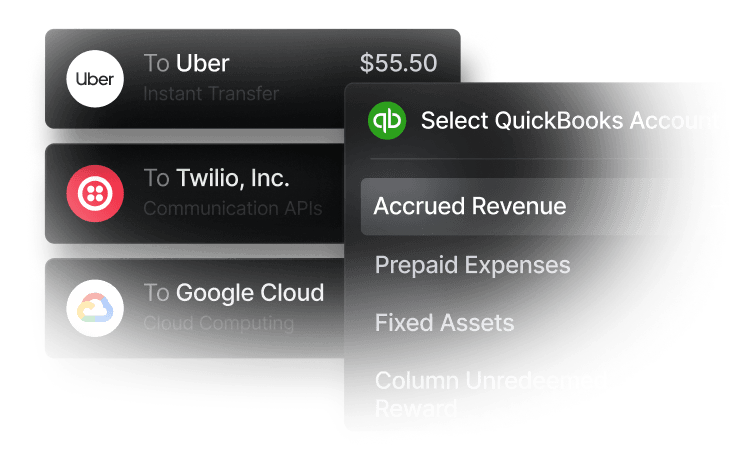
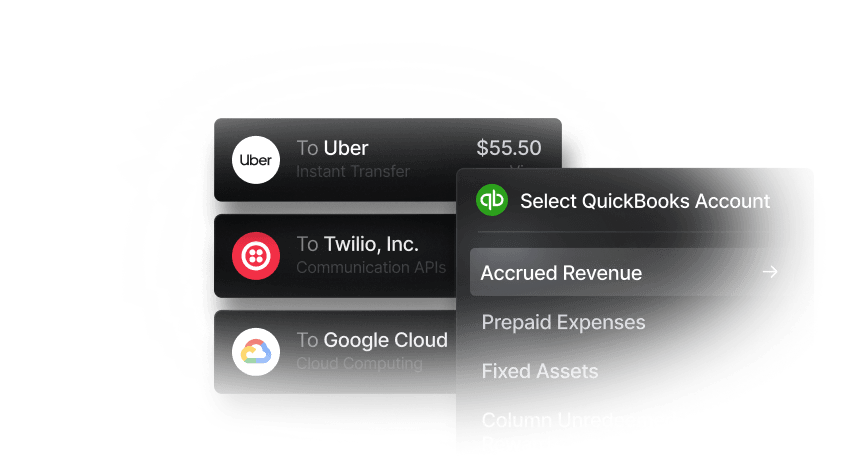
- Powerful integrations: Our platform integrates with accounting systems like QuickBooks Online, Xero, and Sage Intacct. Transaction data syncs automatically, reconciliation happens in real-time, and finance teams maintain complete visibility from invoice approval through payment confirmation without juggling multiple systems.
- Connected AI agents: With support for Model Context Protocol (MCP), users can now connect AI agents directly to their business finances. Create cards, send payments, manage invoices, and query your transaction data, all through Claude, ChatGPT, and other MCP-compatible agents.
- Cryptocurrency payments: With built-in on/off ramps, businesses can send and receive USD-pegged stablecoins like USDC and USDT.⁴ This allows companies to access potential benefits like faster settlement and lower processing costs, while avoiding the price volatility associated with many other cryptocurrencies.
- Working capital financing: With Slash’s working capital, users can choose between flexible 30, 60, or 90 day repayment terms so companies can continue to scale while still supporting liquidity for daily operations.⁵
Whether you want to bring more structure to your internal budgeting, improve oversight across a distributed team, or give your employees more spending power, the Slash platform and its virtual accounts may be the answer you’re looking for.
Apply in less than 10 minutes today
Join the 10,000+ businesses already using Slash.
Frequently asked questions
Can you open sub-accounts underneath savings accounts?
Some banks and credit unions do allow users to open sub-accounts under their savings accounts. As they function like typical savings accounts, users generally cannot spend money from them. If interested, check with your bank or credit union to see if they offer this feature.
The Top 7 Platforms for Integrated Treasury, Forecasting, and High-Yield Accounts

Can sub-accounts be linked to specific payment methods like cards or ACH?
With Slash, they certainly can. Some other modern fintechs may support this ability as well.
Payment Automation Explained for Businesses in 2026

Can sub-accounts be linked to debit and credit cards?
The Slash card is a charge card, so this doesn't apply to our own services. However, some business debit cards and credit cards do offer connections with sub-accounts. We recommend you do your own research into what providers do and don't.
What are common mistakes businesses make when using sub-accounts?
When dividing and organizing sub-accounts, businesses may create too many categories or too few. As they set early budgets and limits, they may also find that they've either over-budgeted or under-budgeted for certain categories. These are issues that often flesh themselves out after companies use their accounts for a few months and learn more about their payment patterns.
Read more from us


