
Unknown chargesmean unknown risk

Understand your business exposure before it compounds.
Seeing an E FONDS charge on your statement?
Common ways E FONDS charges might appear on your statement
- E FONDS
- E-FONDS
- E FONDS CASH ADVANCE
- AVANCE D’E FONDS
- E FONDS LOAN PAYMENT
- E FONDS DEPOSIT
- E FONDS WITHDRAWAL
What is E Fonds?
E Fonds (often appearing as AVANCE D’E FONDS) refers to a cash advance or short-term lending service that provides instant funds through direct deposit or debit transactions. These transactions may be associated with Canadian or French-language financial institutions, as “avance de fonds” translates to “cash advance.” The descriptor “E FONDS” or “E-FONDS” appears on billing statements for loan disbursements, repayments, or associated service fees. Learn more at your lending institution’s official website.
Common causes for E Fonds charges
- Cash advance or short-term loan deposits made into your account.
- Repayment or withdrawal for a previously issued cash advance.
- Service or processing fees tied to loan disbursements.
- Refunds or reversals related to canceled or adjusted loan payments.
Decoding E Fonds charge tags
- E FONDS / E-FONDS identify the transaction as related to a financial or cash advance service.
- AVANCE D’E FONDS is French for “cash advance,” typically used by Canadian financial processors.
- CASH ADVANCE / LOAN PAYMENT specify whether funds were received or repaid.
- DEPOSIT / WITHDRAWAL indicate the transaction direction (incoming or outgoing).
- SERVICE FEE may appear for administrative or transfer charges.
What to do
if you
don’t recognize this charge
Spot, verify, and resolve suspicious charges in minutes.
Contact your bank.
Call your bank using the number on the back of your card.
Contact the merchant.
Call their customer service to verify the charge and get transaction details.
Dispute the charge & monitor account.
If it appears fraudulent, report it to your bank or card issuer.
Easily Identify Every Charge with Slash
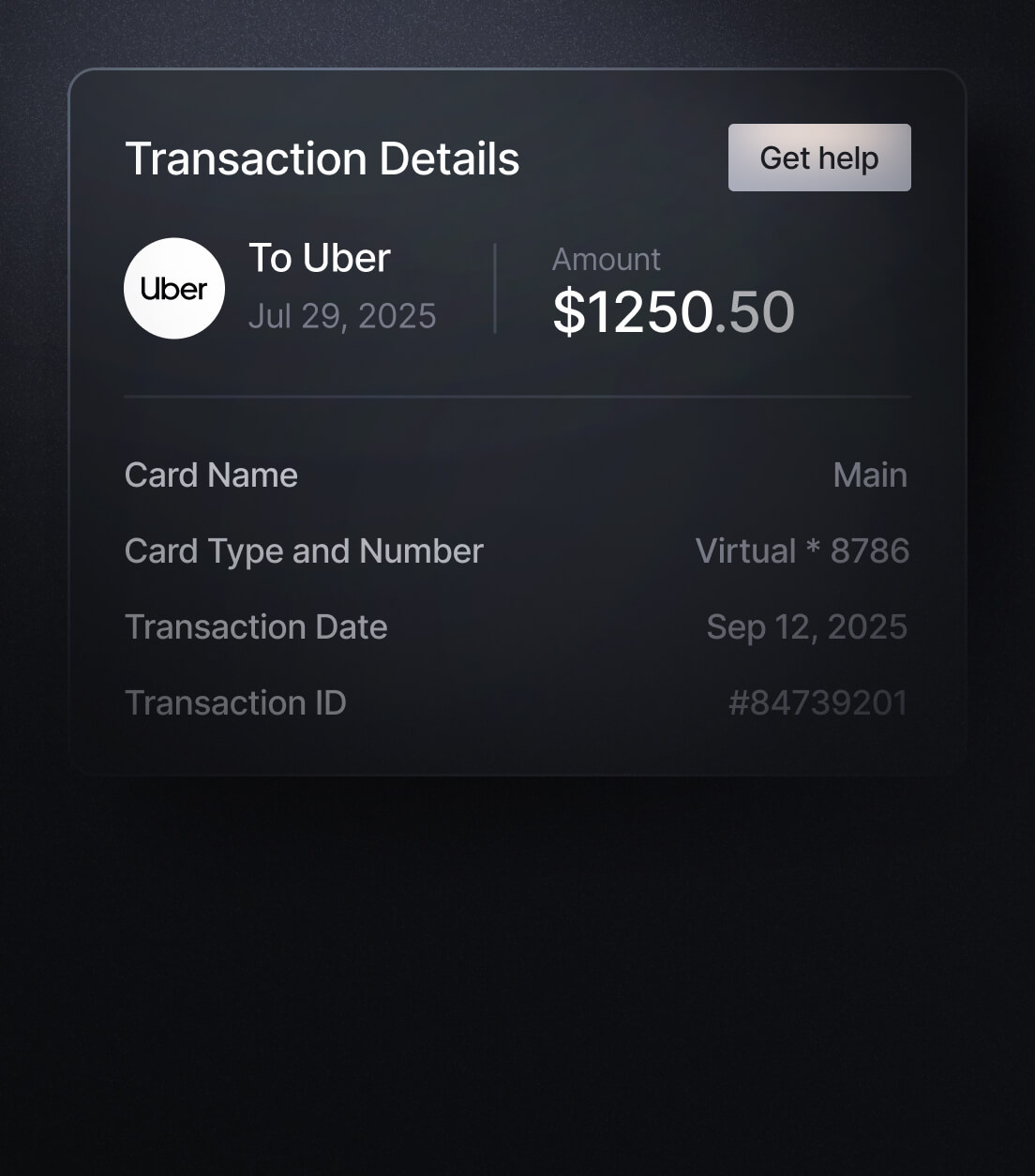
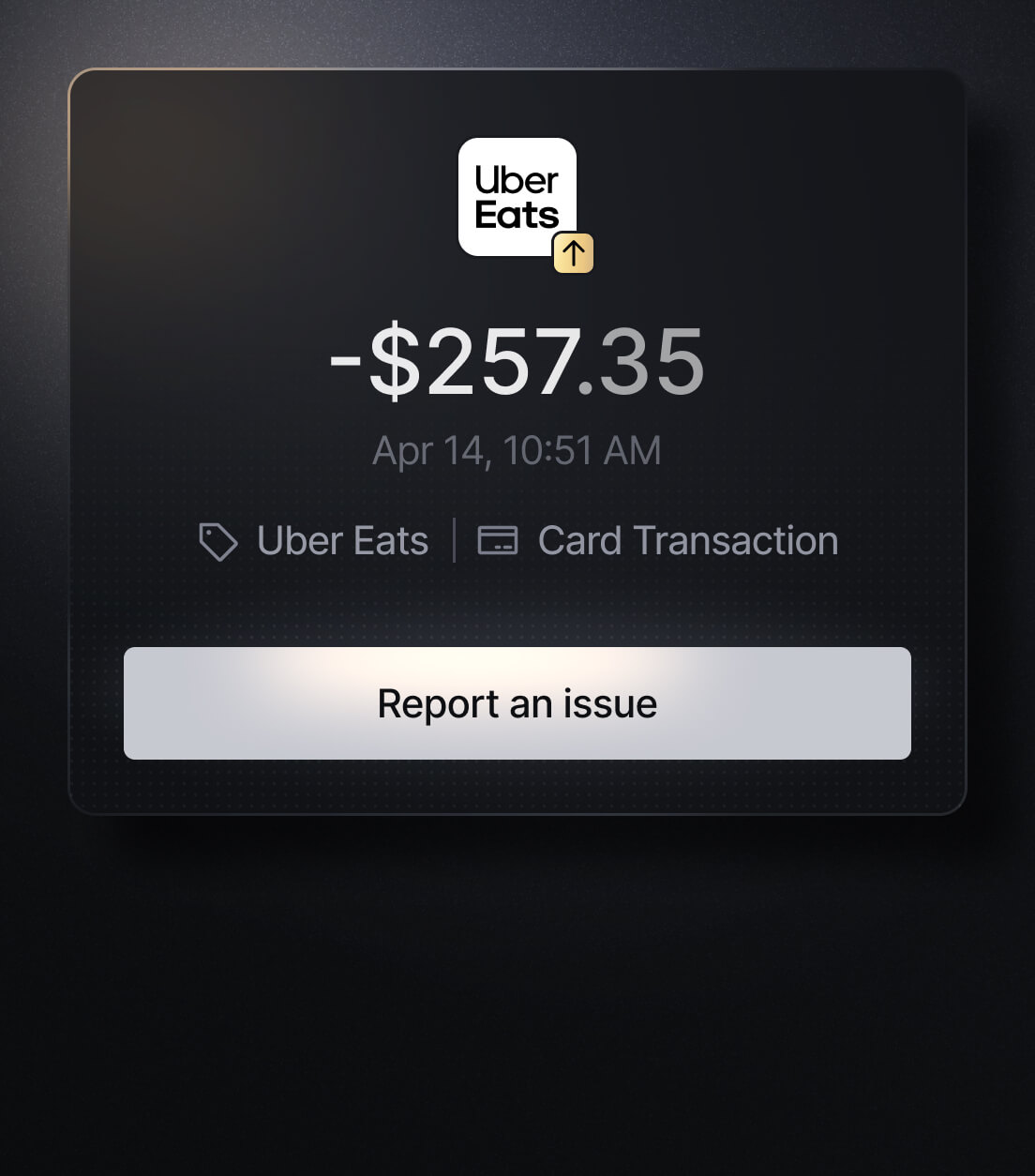
See exactly where, when, and how each charge occurred, complete with merchant names, payment types, and connected team cards with Slash’s detailed card logs and expense tracking tools.
Discover more insights


Apply in less than 10 minutes today
Join the 10,000+ businesses already using Slash.