
Unknown chargesmean unknown risk

Understand your business exposure before it compounds.
Seeing an AFTERPAY XXXXX9601 charge or similar on your statement?
Common ways AFTERPAY XXXXX9601 charges might appear on your statement
- AFTERPAY XXXXX9601
- AFTERPAY 185-52896014
- AFTERPAY 044-X3456
- AFTERPAY 185-9601
- AFTERPAY 185-X6014
- DEBIT PREAUTHORIZED PAYMENT TO AFTERPAY FOR AFTERPAY
- POS AFTERPAY 185-52896014
- CHECKCARD AFTERPAY XXXXX9601
- CHKCARD AFTERPAY 185-9601
- PENDING AFTERPAY XXXXX9601
- AFTERPAY INSTALMENT PAYMENT
What is AFTERPAY XXXXX9601?
AFTERPAY XXXXX9601 refers to Afterpay, a global “buy now, pay later” (BNPL) service that allows shoppers to split purchases into four equal, interest-free payments charged automatically to their card over several weeks. When you buy something using Afterpay, whether online or in-store, the descriptor on your bank statement reflects the payment processor rather than the retailer, which may be confusing. Learn more at afterpay.com.
Common causes for AFTERPAY XXXXX9601 charges
- A purchase made through a retailer offering Afterpay as a checkout option, where your card was billed for the first installment or a recurring installment payment.
- A scheduled payment is automatically withdrawn by Afterpay for an active installment plan.
- A pre-authorization hold that appears before the final charge settles.
- A duplicate or unexpected debit if multiple installment plans overlap or an old card was still linked to your Afterpay account.
- In some rare cases, users report this descriptor when a payment method was used without authorization; for example, if an Afterpay account was compromised or an old card was still stored.
Decoding AFTERPAY XXXXX9601 charge tags
- AFTERPAY is the merchant processor, not the store. All installment payments are charged through Afterpay’s payment network.
- XXXXX9601 (or similar) is a m asked transaction identifier linked to your specific Afterpay order.
- “XXXXX” hides part of the internal merchant ID or account number for privacy and PCI compliance.
- The trailing digits (e.g., 9601) usually represent either the last four digits of your card or a unique transaction reference used to identify a specific purchase or installment plan within Afterpay’s system.
- Because Afterpay masks much of the code, you won’t see the retailer name on your bank statement; only the processor (Afterpay) and reference digits.
- INSTALMENT PAYMENT / PREAUTHORIZED PAYMENT / POS AFTERPAY are labels showing how the bank processed the charge (scheduled debit, automatic withdrawal, or point-of-sale transaction).
What to do
if you
don’t recognize this charge
Spot, verify, and resolve suspicious charges in minutes.
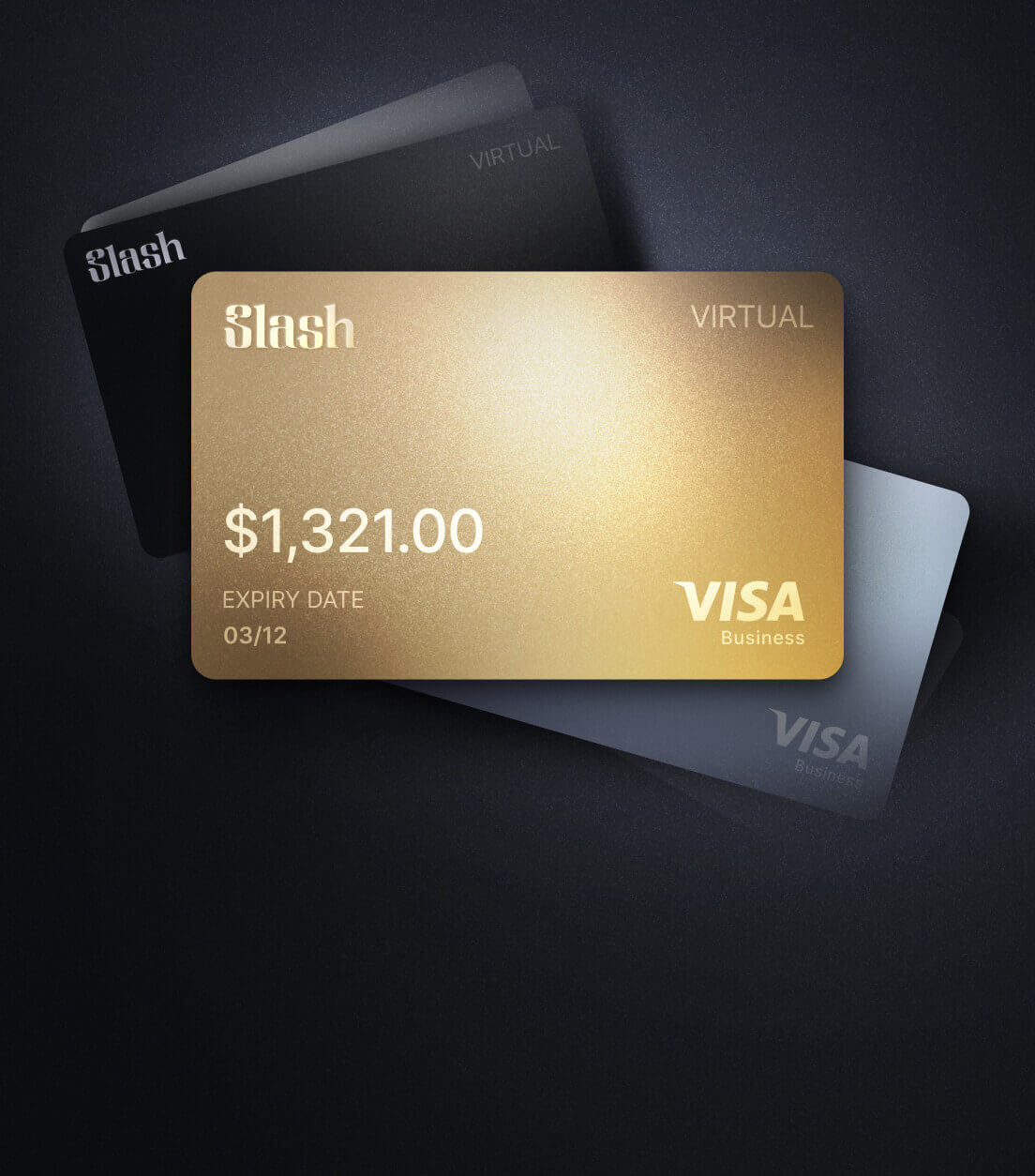
Contact your bank.
Call your bank using the number on the back of your card.
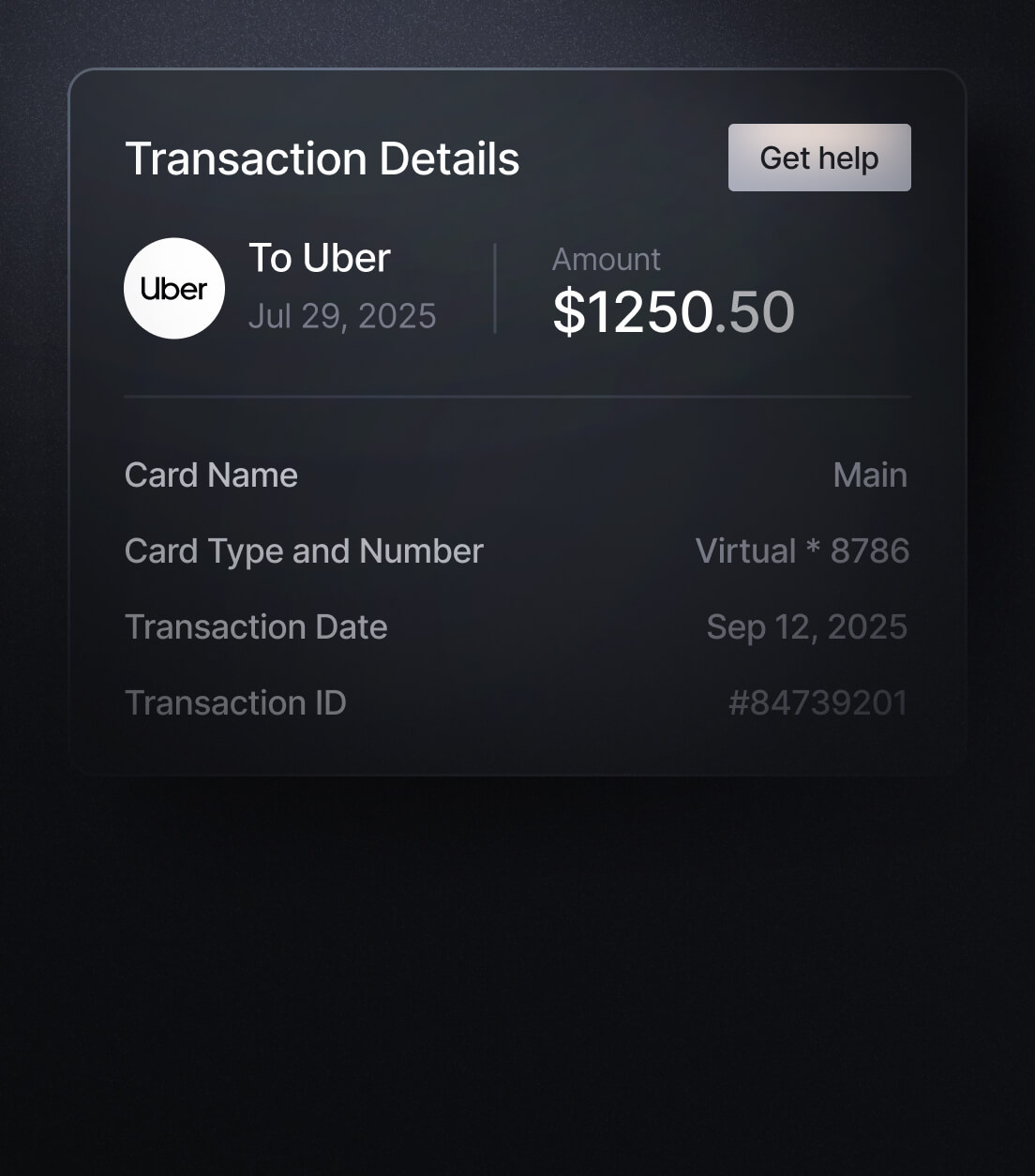
Contact the merchant.
Call their customer service to verify the charge and get transaction details.
Dispute the charge & monitor account.
If it appears fraudulent, report it to your bank or card issuer.
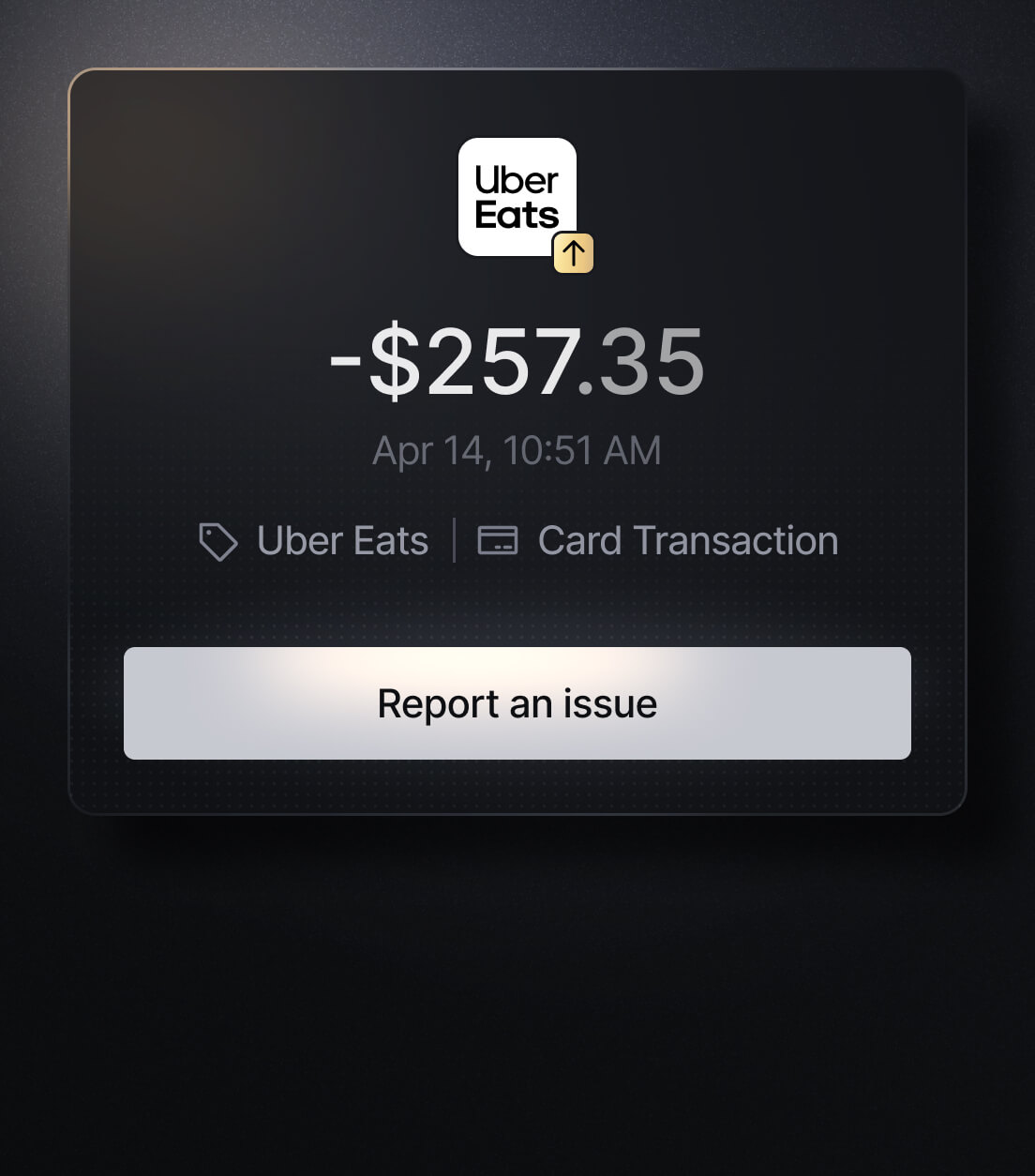
Easily Identify Every Charge with Slash
See exactly where, when, and how each charge occurred, complete with merchant names, payment types, and connected team cards with Slash’s detailed card logs and expense tracking tools.
Discover more insights


Apply in less than 10 minutes today
Join the 10,000+ businesses already using Slash.