Revolut, a financial technology company based out of the United Kingdom, has been a leading provider of multi-currency accounts and business banking services in their region for more than a decade. However, for US-based business owners, especially those who aren’t reliant on global operations and multi-currency balances, its offerings may fall a little short.
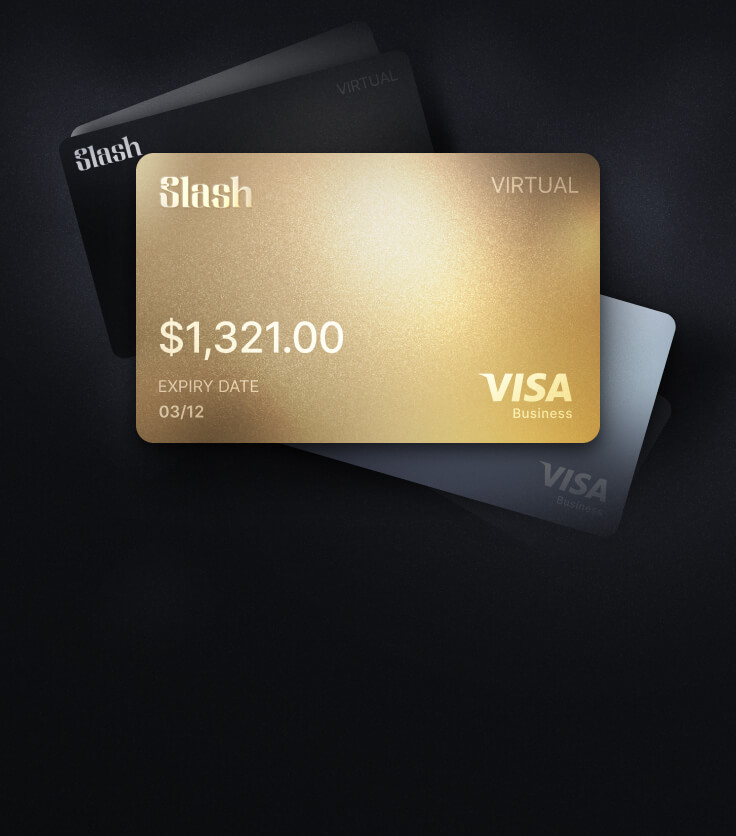
Through Revolut Business, users can issue physical and virtual debit cards to team members, each with spend controls and definable currencies. However, teams are limited to a total of 50 virtual cards, and you may only create 4 new cards every 30 days. You can only get up to 1% cash back on business spend, and that’s capped at 0.8% within the Metal tier for U.S. users. Meanwhile, the Slash Visa® Platinum Card gives users up to 2% cash back on business spend, and you can issue unlimited physical and virtual cards with no 30-day cooldown period.
Deposit insurance is another one of Slash’s strengths. Our users’ accounts are protected up to $150M through Column N.A.'s insured cash sweep network. In the US, Revolut accounts are only FDIC insured to the standard $250,000. In the UK, it’s actually even lower – the FSCS only protects £120,000 worth of deposits per account.
Regardless of where you’re located, Revolut is missing another key feature: working capital financing. With the help of our partner bank, Slope, Slash customers can apply for short-term working capital by presenting an estimate of their annual revenue. Eligibility is solely determined by Slope, and may be determined based on factors such as business requirements, revenue thresholds, and credit review. Once approved, they can be set to 30, 60, or 90 day terms. Revolut offers no such product, meaning startups that need extra liquidity will have to look elsewhere.
Overall, Revolut is a solid banking and payments platform, especially for UK businesses with global operations. If you’re an American user looking for a more robust set of tools, however, Slash may be the better choice.