Capital One offers a strong set of modern business tools: virtual cards, accounts payable tools, and two-way integrations with accounting software. It also operates DevExchange for approved API partners and offers Eno, its customer-facing virtual assistant.
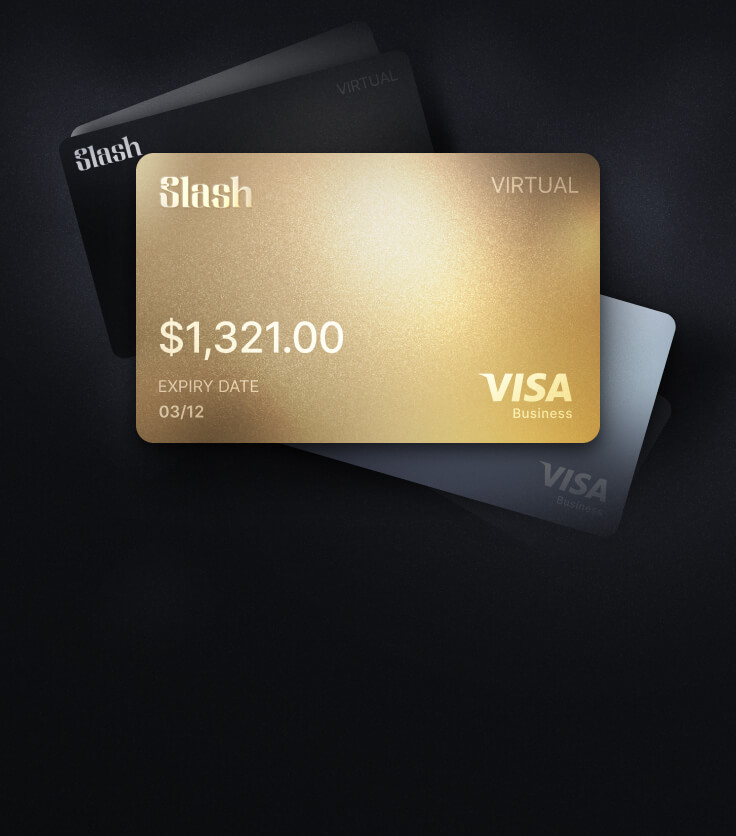
The difference is how far those tools go. Capital One can sync expenses into an accounting platform; Slash lets businesses create native mapping rules that automatically categorize transactions and apply ledger codes before they sync. Capital One supports paying and tracking vendor bills, but Slash also covers the other side of the ledger with branded invoices, built-in payment links, payment tracking, and automated reminders.
Other differences include:
- Capital One business deposits generally receive standard FDIC coverage up to $250,000 per depositor and ownership category. Eligible Slash deposits can access over $100 million through its sweep network.
- Capital One does not offer native USDC or USDT payments. Slash supports sending, receiving, and converting supported stablecoins from the same platform.
- Capital One requires a US address to open a business bank account. Slash Global USD serves eligible businesses in 130+ countries without requiring a US entity.
- Capital One’s APIs are built primarily for approved partner integrations. Slash’s API, available to eligible customers, supports programmatic card issuance and business-payment workflows.
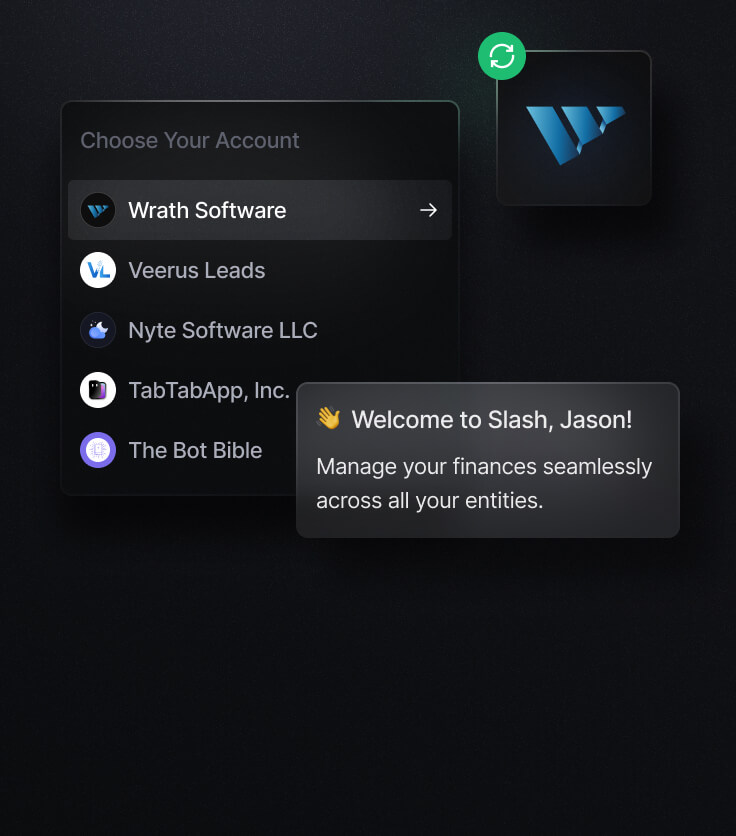
Capital One is a capable institutional bank, but the difference is in the details. Without receivables management, crypto support, or virtual accounts for budgeting, you end up running third-party tools alongside your bank, which means more things to reconcile. If you're using Capital One and hitting those limits, here's how Slash brings it together.