

Treasury Management for Startups in 2026: Build a System that Protects Your Runway
Raising your seed round is an important milestone. But almost immediately, you’re faced with the next question: how should you manage that capital to extend your runway? Rather than letting it sit in a savings account, a structured treasury strategy can help keep your funds liquid, protected, and generating returns for your startup.
Nearly every startup needs a cash runway in case it needs extra capital to quickly pivot or cover operating costs between funding rounds. And when that next round closes, you need a secure place to hold a large influx of cash long-term. Rather than placing it in a risky investment or letting it sit idle in a no-yield account, a money market–backed treasury account offers a middle ground: a consistent, low-risk investment that can grant you easy access to your funding.
Before your startup can take full advantage of a well-managed treasury account, you need to understand what to look for in a provider and how to set yourself up for long-term financial stability. In this guide, we’ll share practical tips for managing your startup’s treasury accounts, with a focus on Slash Treasury—an integrated money market account backed by Morgan Stanley and BlackRock–managed securities, earning up to 3.83% annualized yield.⁶
What is treasury management for startups?
As we touched on in the introduction, startups tend to have a bit more to think through when it comes to managing a treasury account. Before getting too far into the specifics, it’s helpful to familiarize yourself with a few key terms and financial instruments you’ll encounter throughout this guide:
- Deposit Account: A bank account used to hold cash reserves. In treasury management, deposit accounts form the base layer of day-to-day liquidity, where operating cash sits before being moved into higher-yield instruments.
- Treasury Bills (T-Bills): Short-term government debt securities with maturities ranging from a few days to 52 weeks. Because they’re government-backed and highly liquid, T-bills are commonly considered a low-risk investment.
- Certificates of Deposit (CDs): Time deposits issued by banks that pay a fixed interest rate for a set term. CDs typically offer higher yields than standard deposit accounts in exchange for locking up funds until maturity.
- Money Market Fund: A pooled investment fund that holds short-term, low-risk securities such as T-bills and commercial paper. Money market funds generally provide higher yields than deposit accounts while remaining highly liquid.
- Bond Fund: A pooled investment that holds a diversified portfolio of bonds. For treasury teams, bond funds offer diversification and liquidity without managing individual securities. Bond funds are often used for longer-duration reserves.
There are many different types of securities-backed investments that businesses can use to generate yield on their cash. Slash’s treasury account uses Morgan Stanley’s MULSX fund and BlackRock’s TSTXX fund; MULSX is tied primarily to USD-denominated corporate paper and commercial debt obligations, while TSTXX is tied to cash, U.S. Treasury bills, and other obligations. Slash users can select how much of their idle cash to allocate to each fund based on their preferences.
The standard in finance
Slash goes above with better controls, better rewards, and better support for your business.


Managing a treasury account doesn't mean throwing all your cash in and letting it sit. A treasury account is a working financial tool, one that keeps your capital accessible and structured around your company's actual cash needs. For startups especially, effective treasury management is less about the yield and more about knowing where your money is, how long it's locked up, and whether you can get to it when you need it. Before opening a treasury account for your startup, here are some processes that are important to understand from the outset:
Monitoring cash position and runway
At any given moment, your treasury holdings should give you a clear picture of how much cash you have, where it's held, and how long it will last at your current burn rate. For startups, your cash runway is the metric that matters most; every treasury decision should be evaluated against it.
Controlling inflows and outflows
Effective treasury management means tracking when money comes in and when it goes out. Mapping these against each other lets you anticipate shortfalls, avoid unnecessary borrowing, and make smarter decisions about how long you can afford to lock cash into higher-yielding instruments.
Ensuring liquidity for payroll, operations, and growth
A portion of your cash needs to stay immediately accessible for operating expenses; the rest can be deployed into instruments that earn a return. Getting this balance wrong, by either holding too much idle cash or locking up funds you end up needing in a CD, is one of the most common treasury mistakes early-stage companies make.
Basic vs. advanced treasury functions
Early-stage startups may only need to focus on the basics: keeping cash safe, maintaining liquidity, and earning some yield on reserves. As your startup scales, treasury functions can grow more complex: managing debt facilities, hedging currency exposure, optimizing across multiple entities. Understanding how your cash should be deployed based on your operations can help you build a treasury approach that fits your current stage without over-engineering it.
What are the key components of cash management in treasury management?
Cash management goes hand-in-hand with managing a treasury account. It's important to make sure your company's money is in the right place at the right time. Below are the four key components of effectively managing your cash-on-hand in tandem with your treasury operations:
Cash flow forecasting
This means projecting when cash will come in and when it will go out, across weeks, months, and quarters, so you're never caught off guard by a shortfall. For startups with relatively predictable burn rates, even a simple rolling 13-week forecast can provide enough visibility to make smarter treasury decisions, like how much cash you can afford to put into a 90-day instrument versus keeping liquid.
Investment strategy
There are many ways to structure maturity timelines and diversification to maximize returns. While an exhaustive overview could fill its own guide, one common approach is a treasury ladder: a strategy in which fixed-income investments are staggered across multiple maturity dates rather than concentrated at a single point in time. A treasury ladder can reduce reinvestment risk and provide predictable liquidity, since each “rung” that matures can be reinvested or used for operational needs.
Liquidity management
Liquidity management is about ensuring the right amount of money is available at the right time, enough to cover payroll, vendor obligations, and unexpected expenses, without leaving so much sitting idle that it's earning nothing. This typically means segmenting your cash into tiers: immediate operating reserves, near-term reserves, and longer-duration holdings.
Structure and diversification
Where you hold your cash carries its own risks. Spreading cash across institutions and instruments (T-bills, money market funds, CDs) reduces concentration risk and interest rate exposure, while also creating a natural structure for deploying different portions of your cash based on when you'll need them.
Risk mitigation
Treasury management is ultimately about protecting capital, not maximizing returns. The key risks to manage are counterparty risk (who holds your money), liquidity risk (can you access it when needed), and interest rate risk (how sensitive your holdings are to rate changes).
At Slash, we partner with investment partners BlackRock and Morgan Stanley to keep funds diversified across stable U.S. securities. That means your capital stays protected and accessible, with same-day liquidity whenever your business needs it.
The standard in finance
Slash goes above with better controls, better rewards, and better support for your business.


Common best practices to build your treasury process
Before building out your treasury process, you need a clear picture of where you stand. Your cash position is the total amount of liquid funds your business has available at any given time: add up all cash and cash equivalents across every account, subtract any outstanding short-term obligations, and what remains is what you're working with. For startups, this number should be reviewed regularly and mapped against your burn rate to keep your runway estimate current.
From there, here are five practices startups should consider implementing into their treasury management process:
- Establish a written treasury policy: A treasury policy does not need to be complex, but it should be documented. Define which instruments you are willing to hold, concentration limits at any single institution, your minimum liquidity threshold, and who has authority to move funds.
- Diversify banking partners and instruments: Relying on a single bank or a single type of instrument creates unnecessary concentration risk. Spreading funds across multiple institutions and asset types can reduce exposure if a partner faces operational or financial trouble.
- Set up regular monitoring and reporting: Maintain clear, up-to-date visibility into balances, available liquidity, pending movements, and earned yield. Consistent reporting makes it easier to review performance and catch issues before they become problems.
- Introduce automation where possible: Treasury processes should not create avoidable manual work. Automating transaction logging, categorization, and accounting sync reduces reconciliation time and lowers the risk of human error.
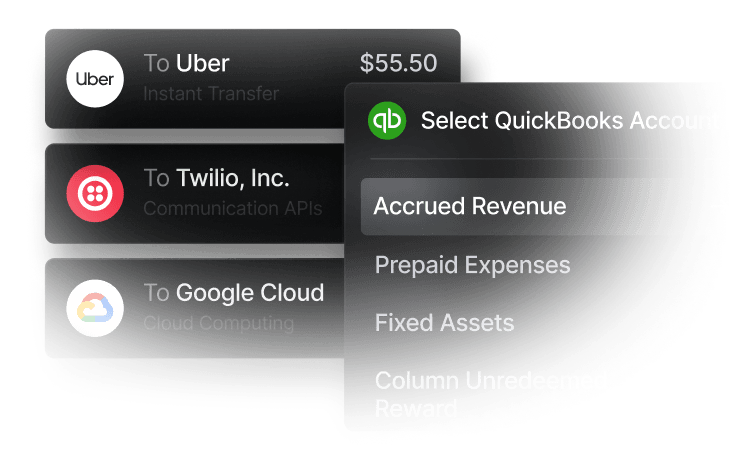
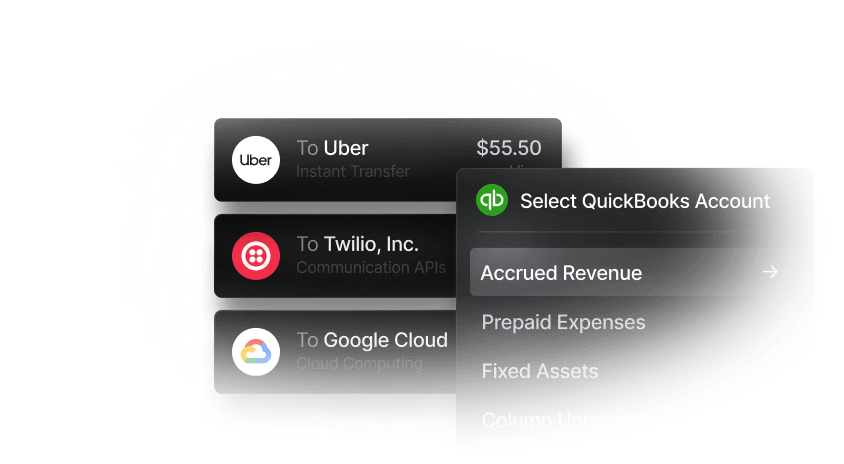
With Slash, you can allocate treasury funds across Morgan Stanley and BlackRock managed funds, creating built-in diversification without needing to manage multiple banking relationships. The dashboard provides real-time visibility into balances, withdrawable funds, pending amounts, and lifetime earnings, with every dividend and transfer logged automatically. Treasury activity also syncs directly with QuickBooks, so your reporting and reconciliation stay aligned without additional manual effort.
3 common mistakes startups make when managing treasury
When you’re in the early-stages, your startup is probably more focused on shipping and building than managing its finances. But even small mistakes at the outset can have significant consequences down the line. The good news is that a few smart decisions early on can help protect your funds, maximize earnings, and position your treasury to operate efficiently over the long term. Here are some common mistakes to avoid, along with practical tips to address them:
1. Relying on a single bank
It's the path of least resistance: open one account, deposit your funding, and move on. But if that institution faces operational disruptions, your ability to access funds, even temporarily, can have serious downstream consequences. Spreading cash across multiple partners and instrument types is a straightforward fix that most startups should prioritize from the start.
2. Ignoring short-term yield opportunities
If a startup sits on $2M in a checking account earning nothing, it’s leaving serious money on the table. Short-duration instruments like money market funds and T-bills offer yields that can be used operationally, such as offsetting burn over time, or they can simply put more money in your pocket. Otherwise, the opportunity cost of inaction compounds over time.
3. Not linking the treasury to budgeting and forecasts
If your treasury is not connected to the rest of your financial stack, it can be easy to lose sight of the bigger picture. You might move money into an investment right before a large payment is due or hold more idle cash than necessary. Slash places your treasury account right alongside your other business accounts, cash projections, transaction log to help make financial planning and management more deliberate.¹
KPIs for measuring success in treasury management
Tracking the right metrics helps you determine whether your startup is truly getting the most out of its treasury operations. Here are five key performance indicators commonly used to evaluate treasury strategy:
- Runway: The amount of time your company can continue operating at its current burn rate before running out of cash. This is one of the most important metrics for startups, as it directly informs hiring, fundraising timelines, and strategic decisions.
- Cash Conversion Cycle: The time it takes to convert money spent on operations into cash received from customers. A shorter cycle means cash moves through the business more efficiently, reducing pressure on reserves.
- Liquidity Ratio: A measure of your company’s ability to meet short-term obligations using short-term assets. Strong liquidity ensures you can cover payroll, vendors, and other near-term commitments without scrambling for capital.
- Forecast Accuracy: How closely your projected cash flow matches actual results. Higher accuracy indicates tighter financial controls and better visibility into future cash needs.
- Cost of Capital: The effective rate your company pays to access funding, whether through debt or equity. Understanding this helps you evaluate whether your treasury strategy is generating returns that justify the capital you are deploying.
Put your startup’s idle cash to work with Slash Treasury
Managing treasury well doesn't require a dedicated finance team or a complex set of tools. It requires visibility, structure, and the right partners. Slash Treasury gives startups all three: funds diversified across BlackRock and Morgan Stanley managed securities, a real-time dashboard that sits alongside your business bank accounts, and same-day liquidity so your funds are always accessible when needed.
For early-stage teams focused on building, treasury management shouldn't be another thing to figure out from scratch. Slash handles the infrastructure, so you can put your idle cash to work, keep your runway visible, and stay focused on growth without losing sight of what's in the bank.
Slash also provides broader banking infrastructure alongside treasury management, including:
- Diverse payment methods: Send global ACH and wire transfers to 180+ countries and move money domestically in real time through RTP and FedNow. Pro users pay no additional per-transaction fees.
- Slash Visa Platinum Card: Earn up to 2% cash back on company spending, issue unlimited virtual cards, and set granular controls to restrict spending by category, merchant, or limit.
- Native cryptocurrency support: Hold, send, and receive USD-pegged stablecoins such as USDC and USDT across eight supported blockchains for faster, lower-cost global payments.⁴
- FDIC-insured virtual accounts: Slash safeguards your business’s operational funds through the Column N.A. insured cash sweep network, elevating FDIC insurance beyond the standard $250,000 limit into the millions.²
- Capital financing: Access short-term financing with flexible 30-, 60-, or 90-day payment terms to bridge cash flow gaps when needed.⁵
- Accounting integrations: Sync transactions directly with QuickBooks to keep records updated automatically.
Apply in less than 10 minutes today
Join the 10,000+ businesses already using Slash.
Frequently asked questions
What challenges can startups face in implementing treasury management?
Startups may lack dedicated finance teams, formal policies, and established processes, which can make treasury feel secondary to product and growth priorities. Limited visibility into cash flow and fragmented banking relationships can also create inefficiencies or unnecessary risk early on.
Treasury Management Solutions for Businesses: Choosing Between Full TMS and Banking-Led Platforms

What is the 80/20 rule?
The 80/20 rule, or the Pareto Principle, suggests that roughly 80% of outcomes come from 20% of inputs. In treasury management, it means that a small number of decisions (how much cash to keep liquid? where to hold reserves?) can have a disproportionate impact on runway, risk, and returns.
How much does a treasury system cost?
Costs vary widely depending on company size, complexity, and feature set, ranging from low-cost fintech platforms to enterprise-grade systems with significant implementation fees. With Slash, you can access a treasury account for your business with no additional fees or minimum balance requirements.
How can technology and systems aid in treasury management for startups?
Technology can improve visibility into your cash flow, automate record-keeping, and streamline accounting processes like reporting, reconciliation, and tax prep. Slash integrates your treasury account alongside the rest of your company’s finances, making them easy to export and manage in QuickBooks for accounting.
The Top 7 Platforms for Integrated Treasury, Forecasting, and High-Yield Accounts

Read more from us


