

Healthcare Financial Management: Benefits, Insights, and Key Systems for Modern Healthcare Teams
Healthcare financial management is a specialized discipline that goes far beyond traditional corporate finance. Financial managers in healthcare must navigate complex reimbursement models, strict regulatory requirements, and healthcare financial compliance, as well as the challenge of delivering care before payment arrives. This means balancing clinical priorities with fiscal responsibility while ensuring resources support quality patient care and long-term organizational health.
Effective financial management, including healthcare cash flow management, can directly impact clinical outcomes. When revenue cycle processes fail or cash flow falters, providers may delay equipment purchases, reduce staffing, or limit services—decisions that ultimately affect patients. Strong financial operations enable investment in technology, recruitment of skilled staff, and expansion of services to those who need it.
In this guide, we'll break down the complexities of healthcare financial systems designed for healthcare organizations. We'll also explore how Slash helps manage spending securely and efficiently, giving finance professionals the visibility they need to support high-quality patient care while maintaining compliance and financial stability.¹
The standard in finance
Slash goes above with better controls, better rewards, and better support for your business.


Why is financial management important in healthcare?
Healthcare organizations face financial challenges that differ significantly from those in most other industries. Revenue typically does not arrive when care is delivered due to reimbursement complexity. Claims may be delayed, adjusted, or denied, making cash flow less predictable. Strong healthcare financial management should help organizations track receivables, manage working capital (working capital management in healthcare), and maintain stability despite cash flow uncertainties through disciplined healthcare cash flow management.
At the same time, payment models are shifting away from fee-for-service toward value-based and risk-based structures. Medicare and private payers increasingly tie reimbursement to care quality, patient outcomes, and satisfaction. Under these arrangements, providers take on greater financial responsibility for managing the total cost of care, meaning inefficiencies or poor outcomes can directly reduce revenue. Effective financial management is therefore essential for aligning financial decisions with clinical performance.
Below is a closer look at several of the healthcare-specific financial challenges finance managers may encounter:
- Reimbursement complexity: Healthcare organizations bill multiple payer types—private healthcare insurance, Medicare, Medicaid, and self-pay patients—each with different rules and rates. Claims may be denied, partially paid, or require rework, delaying revenue.
- Extended payment cycles: Payments can arrive weeks or months after care is delivered. These delays can strain cash flow even when an organization is profitable on paper. Effective management of accounts receivable and outstanding payments can help organizations plan for timing gaps and meet ongoing expenses.
- Regulatory and compliance pressures: Healthcare finance must comply with laws such as HIPAA, HITECH, and other federal and state regulations. Financial missteps can lead to audits, penalties, or loss of accreditation. Strong controls and oversight help reduce compliance risk and protect the organization.
- Clinical-financial alignment: Financial decisions can directly affect patient care, from staffing levels to access to equipment and services. As payment models increasingly reward outcomes over volume, finance teams must support clinical goals while managing operational costs.
Industry organizations like the Healthcare Financial Management Association (HFMA) define many of the best practices for navigating these operational challenges. HFMA provides education, research, and professional resources that can help healthcare finance teams improve financial performance while supporting quality care.
Core components of healthcare financial management
Healthcare financial management focuses on how money moves through a healthcare organization. Healthcare financial professionals are responsible for managing revenue, cash flow, compliance, and financial risk. Finance teams often rely on accurate data and reliable processes to support executives, healthcare administration teams, and providers as they deliver quality care in a highly regulated industry.
Below are seven core components of effective financial management in a healthcare organization:
Financial evaluation and strategic planning
Strategic financial planning can help healthcare organizations make informed decisions about resource allocation and long-term sustainability. Finance managers analyze revenue trends, payer mix (the balance of Medicare, Medicaid, private health insurance, and self-pay), and reimbursement patterns across healthcare services to guide strategic decisions about staffing, service expansion, and investments. Strong planning allows organizations to adjust their strategy as payment models and insurance contracts change.
Budgeting and forecasting
Budgeting helps healthcare organizations plan expenses and account for uncertainty in revenue timing. Budgets cover clinical and administrative departments, with forecasts accounting for patient volume projections, case mix complexity, seasonal patterns like flu season, and payer mix shifts. Because insurance reimbursement may take 30-90 days or longer, flexible budgets and rolling forecasts can help financial managers manage cash flow gaps more effectively.
Revenue generation and revenue cycle management
The revenue cycle includes all financial steps from patient registration to final payment: insurance verification, medical coding, claims submission, payment posting, and collections. Revenue leakage—lost revenue from missing documentation, incorrect coding, or unaddressed denials—is common across the healthcare industry. Effective revenue cycle management can help healthcare organizations reduce delays, improve reimbursement accuracy, and protect revenue throughout the cycle.
Beyond reimbursement optimization, healthcare organizations can also offset operating costs with the Slash Visa Platinum Card, a highly controllable corporate card that earns up to 2% cash back on employee spending.¹
Compliance and regulatory adherence
Healthcare financial operations must comply with strict federal and state regulations governing billing, reporting, and patient data protection. Laws like HIPAA and Medicare billing rules require accurate documentation and secure information handling. Internal controls, including approval workflows and separation of duties, reduce fraud risk and support audit readiness. Financial management systems that are SOC 1 or SOC 2 compliant, like Slash, can support compliance efforts with secure financial workflows, configurable approval controls, and audit-ready transaction records. These practices underpin healthcare financial compliance.
Financial risk management
Healthcare organizations may face financial risk from unpaid patient balances, payer concentration, reimbursement changes, and cybersecurity threats. Finance managers can reduce exposure by maintaining strong cash reserves, securing appropriate insurance coverage, and monitoring spending across the organization. Regular financial reviews, supported by real-time spending visibility from Slash, can help healthcare systems make informed decisions without compromising quality patient care delivery.
Fraud detection
Hospitals and healthcare systems process high volumes of payments, increasing risk of internal and external fraud. Internal risks include unauthorized spending, while external risks involve false billing or identity theft. Slash can reduce fraud exposure through AI-powered transaction monitoring, customizable card controls, encrypted payment methods, and clear transaction visibility, making it easier to spot unusual spending patterns and address issues before they escalate.
Working capital management
Working capital refers to the funds used to cover daily operating expenses like payroll, medical supplies, and vendor payments. In healthcare, working capital is especially important because insurance reimbursements often arrive long after care is delivered. Effective working capital management in healthcare involves monitoring cash flow, timing payments carefully, and ensuring access to short-term liquidity. Slash working capital financing offers flexible funding with 30-, 60-, or 90-day repayment terms to help bridge cash flow gaps between providing treatment and receiving payment.
The standard in finance
Slash goes above with better controls, better rewards, and better support for your business.


Reliable healthcare data oversight: 5must-have system features
Healthcare financial systems operate under strict requirements that regulate how patient and financial data is collected, stored, accessed, and shared. These standards exist to protect patient privacy, ensure data security, and maintain the integrity of financial records across the healthcare industry. Understanding these requirements is essential when selecting and implementing financial management technology. Key standards include:
- HIPAA:Financial systems must protect PHI (protected health information) when tied to billing or patient accounts.
- HITECH:Expanded enforcement and breach notification requirements that strengthen HIPAA protections.
- SOC 2 / SOC 1:Trust and security controls for financial systems, particularly for cloud-based or third-party vendors.
- Data retention and audit trails:Required for compliance audits, regulatory investigations, and dispute resolution.
Meeting these standards requires financial systems with specific technical capabilities built into their core functionality. Here are five features your financial system should have to address these operational needs:
1. Role-based controls and approvals
Role-based access controls ensure staff can only view and modify financial data appropriate to their position, preventing unauthorized access to sensitive information. Proper access assignments protect patient financial information, reduce fraud risk, and create accountability across finance teams. Slash enables healthcare finance teams to automatically route approvals for payments from outstanding invoices and other spending requests, ensuring transactions follow internal policies before funds are transferred.
2. Audit-trails and transaction traceability
Complete audit trails record every action in the financial system: who made changes, what changed, when it occurred, and from which location. This traceability is important for conducting compliance audits, investigating discrepancies, resolving payment disputes, and detecting fraud. Slash provides audit-ready expense tracking with line-item visibility, automatic receipt capture, and the ability to tag expenses by site or department, creating a complete paper trail for compliance reviews and external audits.
3. Integration capabilities
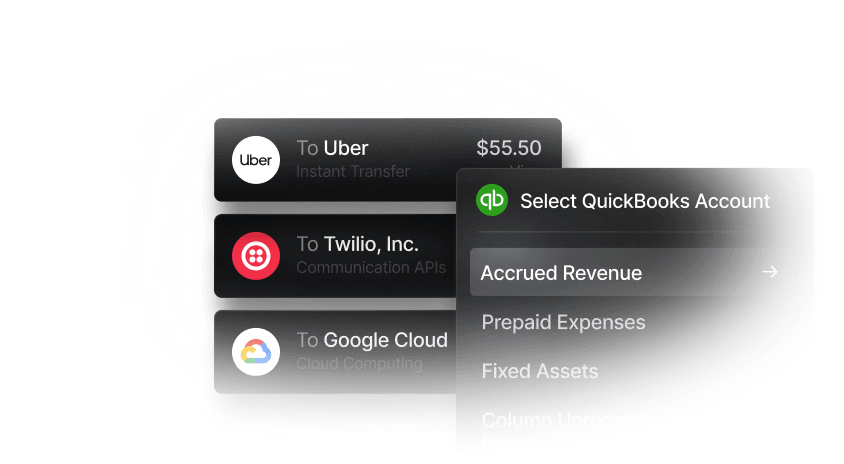
Strong system integration can reduce duplicate data entry, minimize errors, and help keep financial records accurate. By seamlessly connecting accounting systems and banking platforms, healthcare organizations may streamline processes such as reporting, reconciliation, and tax preparation. Slash can automatically categorize expenses and store detailed receipts at the point of spend, then sync that accurate data directly into QuickBooks and Xero to support more reliable accounting processes.
4. Real-time visibility
Real-time dashboards give finance teams detailed insight into revenue, outstanding claims, and cash position without waiting for month-end reports. This immediate visibility helps financial managers identify issues such as claim denials or collection delays early, allowing them to take corrective action before cash flow is affected. Slash's analytics dashboard provides centralized visibility across multiple entities, virtual accounts, and departments. It offers real-time tracking of card transactions, outgoing payments, and other spending activity.
5. Security and encryption
Financial systems must encrypt data to protect sensitive patient financial information from unauthorized access or breaches. Slash maintains SOC 2 Type II and PCI compliance and uses strong security measures such as multi-factor authentication, biometric login protection, and card transaction tokenization. Funds are held in FDIC-insured accounts through Column N.A., with access to hundreds of millions in coverage through sweep network banks. Together, these protections provide healthcare organizations with a high level of security that supports the requirements of HIPAA and HITECH.

Best practices for effective financial management in healthcare organizations
Whether you're a healthcare provider, pharmaceutical manufacturer, or medical equipment supplier, implementing a modern financial stack with automated, compliant workflows can help reduce administrative burden and costs. These efficiencies free up time and resources that healthcare organizations can redirect toward patient care and service quality. Below are several approaches healthcare organizations may use to strengthen financial management:
Cash flow management
Consider tracking inflows and outflows on a daily or weekly basis to maintain visibility into financial position as part of healthcare cash flow management. Monitoring metrics like days in accounts receivable, denial rates, and payer payment timelines from Medicare, Medicaid, and private insurance can help identify trends early. Many successful healthcare organizations maintain cash reserves for delayed reimbursements, helping ensure they can meet payroll, purchase medical supplies, and maintain operations while waiting for payment from payers.
Operational financial management
Managing staffing and supply costs based on patient demand can help healthcare organizations use resources more efficiently. Understanding which departments and services cost the most may make it easier to see where money is being spent and where adjustments may be needed. Regular spend reviews can uncover opportunities to negotiate better vendor contracts and reduce supply costs, while moving away from manual processes can help minimize errors and support more confident financial decision-making.
Healthcare financial reporting
Regular healthcare financial reporting helps healthcare organizations understand their overall financial position and track performance over time. Core statements like balance sheets, income statements, and cash flow reports show how revenue, expenses, and assets are changing, while more detailed reports can highlight trends by department or payer type. Reviewing these reports consistently helps finance teams and executives make informed decisions about spending, staffing, and service planning. Slash integrates with QuickBooks to enable automatic generation of compliant financial reports.
Secure healthcare financial data
Healthcare organizations should apply the same level of security to financial data as they do to clinical information. Protecting financial data may include conducting regular permission reviews so only authorized staff can access sensitive records, managing vendor risk to ensure third-party tools meet healthcare security and compliance standards, and maintaining clear incident response plans. These practices help organizations respond quickly to data breaches or identify system failures, reducing disruption and protecting both financial operations and patient trust.
Optimize healthcare spending with Slash's automated financial tools
Managing healthcare finances requires strong controls and security that meet strict regulatory standards. Slash maintains SOC 2 Type II compliance, helping healthcare organizations protect sensitive financial data while maintaining oversight across complex operations. With powerful spend controls and real-time visibility, healthcare finance teams can manage their organization's expenses responsibly, without stressing the details.
Healthcare finance professionals using Slash gain access to additional capabilities that streamline operations and strengthen financial controls, including:
- Slash Visa® Platinum Card: Issue unlimited virtual cards with customizable spending controls across every department, earning up to 2% cash back on spending.
- Accounting integrations: Integrate expense data into QuickBooks to eliminate manual data entry and streamline reconciliation, tax reporting, and audit preparation.
- Expense tracking: Simplify how spending is tracked across departments and teams with line-item visibility and automatic receipt capture.
- Diverse payment methods: Send payments to medical suppliers with Slash Pro, which enables free, unlimited domestic ACH, wire transfers, and real-time payment rails like RTP and FedNow.
- Slash Capital Financing: Access short-term financing with flexible 30-, 60-, or 90-day repayment terms to help bridge cash flow gaps.⁵
- Data-driven analytics: Monitor transactions in real time through analytics dashboards that provide immediate visibility into organizational spending.
Apply in less than 10 minutes today
Join the 10,000+ businesses already using Slash.
Frequently asked questions
Are HFMA certifications worth it?
Healthcare Financial Management Association (HFMA) certifications demonstrate a strong understanding of healthcare financial management best practices and industry standards. For healthcare organizations, teams with HFMA-certified professionals may be better equipped to manage complex reimbursement models, compliance requirements, and financial decision-making.
What are the different types of healthcare financing?
Healthcare financing includes traditional bank loans, municipal bonds, equipment financing, government grants, and public funding programs. For short-term cash flow needs, healthcare organizations can utilize Slash's Working Capital Financing, which offers easily-accessible drawdowns with 30-, 60-, or 90-day repayment terms.
Working Capital Management: Strategies for Business Growth

What are the “4 C’s” of finance in healthcare?
The four C’s of finance in healthcare are costs, cash, capital, and control. Together, they represent managing expenses, maintaining cash flow, funding long-term investments, and ensuring financial oversight across the organization.
What Is Business Spend Management? Key Components Explained


