

Payment Orchestration Layers: What You Need to Know
There are so many ways to purchase goods and transfer money nowadays. This freedom of choice that consumers have, though, can translate to headaches for businesses looking to manage their payments. A company might accept cards through one processor, bank transfers through another, local payment methods through a regional provider, and cross-border transactions through a separate international gateway. Each of these solutions likely come with their own reporting templates and settlement workflows. The more payments a business wants to accept, the more tedious it can all become.
Payment orchestration layers address this directly. Rather than managing each payment provider independently, an orchestration layer is in charge of receiving payment requests, routing transactions to the appropriate provider, and centralizing the data and reporting that would otherwise be spread across systems.
As businesses expand across payment methods, processors, and markets, orchestration has emerged as a key weapon in the arsenals of finance teams. This article explains what payment orchestration is, how it works, the operational benefits and challenges, and what to evaluate before adopting it. We’ll also take a look at Slash, a business banking platform that makes it simple to manage and monitor global payment operations from one integrated dashboard.¹
The standard in finance
Slash goes above with better controls, better rewards, and better support for your business.
What Is a Payment Orchestration Layer?
A payment orchestration layer is a platform that coordinates payment activity across multiple payment processors, gateways, acquirers, and methods through a single interface. Instead of connecting each payment provider directly to the business's systems, the orchestration layer acts as a sort of central hub. It receives payment requests and routing them to the appropriate provider based on configurable rules, real-time performance data, cost parameters, or geographic requirements.
Some orchestration layers can also support reconciliation across providers, aggregate reporting and analytics, and provide a unified view of a business’s payment activity. Without one of these solutions, you may be left switching between platforms and mixing up data as you transcribe it. Instead, orchestration treats the entire payment operation as a coordinated system, managing not just where each transaction goes but what happens to the data that relates to it.
Payment orchestration is often adopted when a business has outgrown a single processor arrangement and needs the flexibility to use different providers without losing visibility or control. Rather than acting as a replacement for payment processors or gateways, it’s a layer above them that coordinates how they're used.
How Payment Orchestration Works
Payment orchestration manages the flow of a transaction through a rules-based process. It works like this:
- Initiation: A customer initiates a payment at checkout or through a payment link. The request reaches the orchestration layer rather than going directly to a payment provider.
- Receiving and evaluating the request: The orchestration layer receives the payment request along with relevant context, such as transaction amount, payment method, currency, and any business rules configured for that transaction type or merchant profile.
- Routing: The layer routes the transaction to the most appropriate payment provider based on predefined rules or real-time data. Routing logic can optimize for factors such as cost (sending to the provider with the lowest processing fee for that transaction type) or compliance (routing to a provider with the necessary regional licensing).
- Processing: The selected payment provider processes the transaction by handling authorization, clearing, and settlement through its own infrastructure and the relevant card network or banking rail.
- Centralized reporting and reconciliation: Once the transaction is processed, the orchestration layer captures the result (approved or declined) along with settlement data, timing, and provider reference numbers. This can feed into centralized reporting dashboards and reconciliation workflows that cover all payment providers together
Orchestration layers may also include retry logic, which allows a failed transaction to be automatically routed to a different provider. Similarly, some can redirect volume away from a provider experiencing downtime or degraded performance. While these tools are common across orchestration platforms, the rules that govern them can be a little different between providers.
Benefits of Using a Payment Orchestration Layer
Here are some advantages that these orchestration layers can provide:
Centralized Payment Operations
Managing five payment providers through five separate integrations, dashboards, and reconciliation processes is a mess that grows with every provider added. An orchestration layer replaces this fragmentation in one spot. Changes to provider configuration, routing rules, or reporting requirements are made in one place and apply across the entire payment stack. For finance teams that waste time collecting payment data across providers, the consolidation alone can quickly reduce reconciliation times.
The benefit can be equally significant for engineering teams. A business that’s integrated directly with each payment provider must maintain each of those integrations separately. This often includes managing updates, handling provider-specific error codes, and updating code when provider behavior changes. Orchestration can centralize all this maintenance.
Improved Payment Approval Rates
Not every payment processor performs equally across all card types, transaction sizes, geographies, or currencies. A card issued by a bank in Brazil may have a higher authorization rate when processed through a local acquirer than when routed through a US processor. To remedy this, smart routing logic directs transactions to the provider most likely to approve them based on historical performance data.
Since each routing case is different, orchestration platforms don't improve approval rates automatically. However, they do provide the infrastructure to optimize routing, which is a pretty good start.
Greater Flexibility Across Payment Providers
We’ve talked about the fragmentation that occurs when working across several payment processors, but we haven’t touched on how much of a pain it can be to adopt a brand new one. With an orchestration layer, adding or removing payment providers is a configuration change rather than a development project. This is because the underlying integration is with the orchestration platform, not with each provider individually. This flexibility can matter when entering new markets or when a better regional option becomes available.
Better Visibility and Reporting
With payment activity distributed across multiple providers, getting a consolidated view of approval rates, settlement timing, transaction volume, and reconciliation status typically requires pulling data from multiple sources and aggregating it manually. An orchestration layer captures all of this data in a unified reporting environment. This centralization enables deeper analytics, settlement monitoring across providers, and reconciliation workflows that don't require tedious data collection.
For businesses closing books monthly across multiple payment processors, this improvement in visibility reduces a recurring operational bottleneck and produces the kind of consistent, structured data that finance teams can actually work with.
Support for Global and Multi-Payment Operations
Businesses accepting payments across multiple countries typically need different payment providers, payment methods, and currency capabilities in each market. Managing this without orchestration means building and maintaining separate payment stacks for each region, each coming with its own reporting and operational overhead. An orchestration layer that supports multi-currency routing, local acquirer connections in relevant markets, and regional payment method coverage can give you the power to run a global payment operation through a single platform.
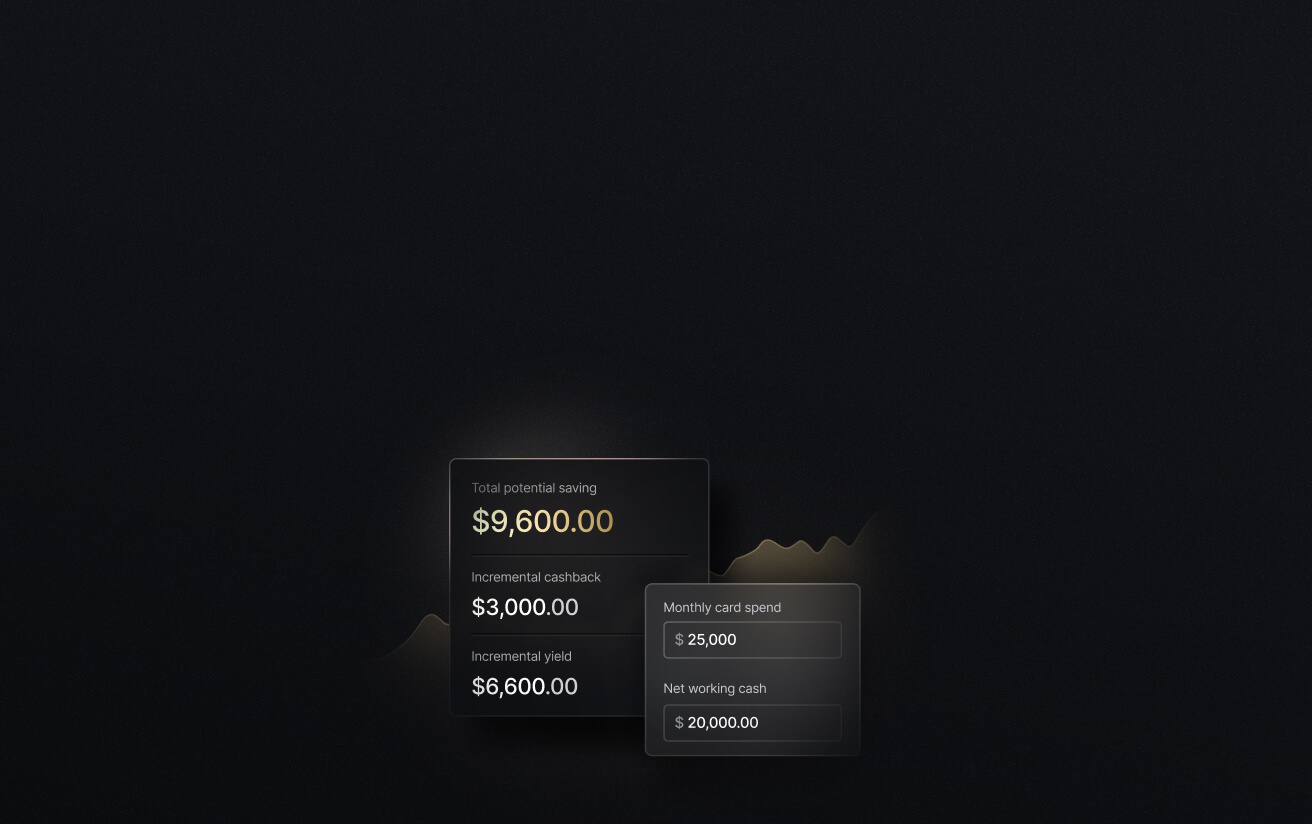
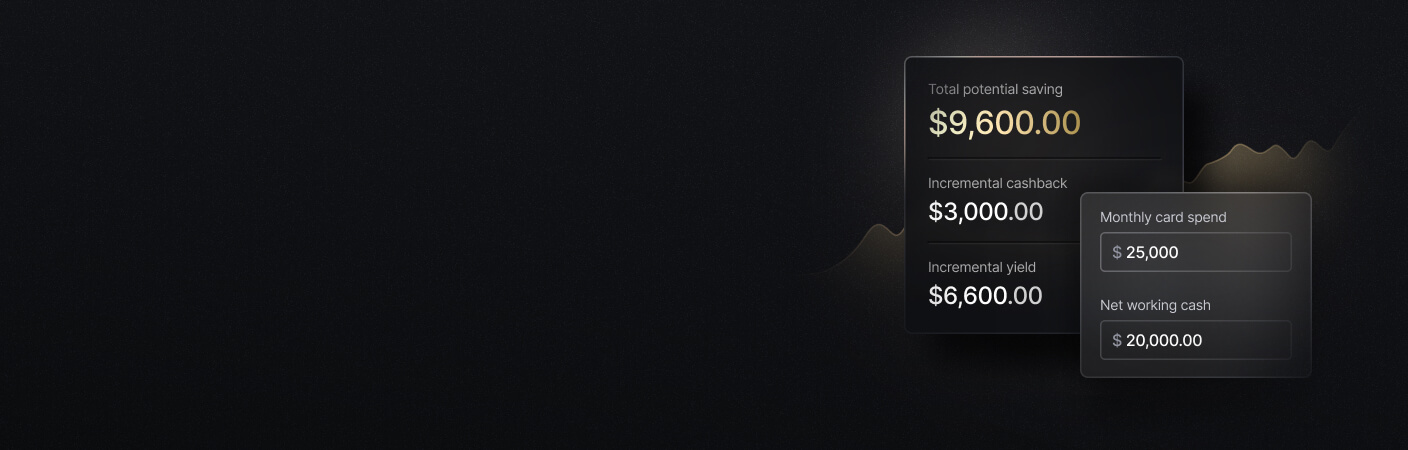
See the ROI behind your spend
Use this calculator to understand impact, then manage and track it all in Slash.
Challenges Associated with Payment Orchestration
While orchestration layers are built to make payment processes easier, they can also come with their own obstacles, including:
- Integration complexity: Implementing an orchestration layer requires connecting both the business's systems and each payment provider to the orchestration platform. This can be tricky, particularly for businesses with legacy payment infrastructure that needs to be reworked rather than replaced.
- Dependency on third-party infrastructure: Introducing an orchestration layer adds a critical intermediary to every payment transaction. If the orchestration platform experiences downtime or performance degradation, it affects all payment providers simultaneously. This ends up creating more of a single point of failure than a direct provider integration would.
- Additional platform costs: Orchestration platforms charge for their services, typically with a combination of platform fees and per-transaction processing costs. These add a cost layer on top of existing payment processing fees, meaning economics have to be factored in against your typical cash flow.
- Managing routing logic and configurations: Smart routing is only as good as the rules that govern it. Configuring routing logic that actually improves performance requires ongoing attention, meaning you’ll be analyzing provider performance data and updating rules as conditions change.
- Operational overhead for smaller businesses: The benefits of orchestration scale with transaction volume and payment complexity. For businesses with a single processor, limited geographic footprint, and light transaction volumes, the project of implementing and maintaining an orchestration layer may not be worth the hassle.
What Businesses Should Look for in a Payment Orchestration Platform
Your orchestration choice will vary depending on your business needs, which may include the volume of payments you process and the place your company is based out of. Here are some things to consider:
Payment Provider and Gateway Coverage
The value of an orchestration layer is linked to the payment providers it can connect to. A platform should be able to integrate with each of the multiple processors and payment methods your business uses or plans on adopting in the future. It’s important to verify which providers are natively supported before committing to a platform.
Routing and Failover Capabilities
Routing logic varies considerably between platforms. Some support simple rules-based routing dictated by country, currency, or transaction size, while others support dynamic routing that responds to real-time provider performance metrics. The depth of failover handling (how quickly the system detects a provider issue and redirects volume) is equally important to evaluate. Businesses that commonly run into provider issues and chargebacks should prioritize platforms with robust, well-documented failover capabilities.
Reporting and Reconciliation Tools
The quality of reporting and reconciliation that come with your platform is key. Platforms should produce consistent data across all connected providers with settlement timing, decline reason codes, currency conversion records, and provider reference numbers included.
Businesses should also assess whether the platform's reporting integrates with their existing accounting software and whether the reconciliation workflow actually simplifies the close process. Slash integrates with solutions like QuickBooks Online, Sage Intacct, and Xero, allowing payment data to be connected between banking and accounting. While Slash isn’t an orchestration layer in itself, it can receive orchestration payments, thus allowing a three-way link that centralizes your data.
Fraud Prevention and Compliance Support
Some orchestration platforms include fraud detection rules that are applied equally across all payment providers. This can be valuable for businesses managing fraud exposure across multiple channels, as it prevents gaps that emerge when different providers apply different fraud logic to the same customer.
Some orchestration platforms can support compliance workflows like KYC/AML screenings and sanctions checking. However, they don’t eliminate compliance obligations; businesses remain responsible for ensuring their payment operations meet regulatory requirements in each market.
International Payment Support and Scalability
Global business should evaluate the depth of an orchestration layer’s international support. This will likely include multi-currency settlement, local acquiring availability in target markets, and support for region-specific payment methods. Teams should also evaluate what the platform's track record looks like at higher transaction volumes, and whether it’s prepared for rapid growth.
Centralize Payment Workflows with Slash
If your payment providers are becoming more fragmented, orchestration layers can give you a way to improve visibility, flexibility, and operational efficiency across the providers and rails you use. As a result, you’ll have fewer separate integrations to manage, better data to work from, and more control over how transactions are routed and monitored.
Slash brings the same sort of centralization to business banking. Our platform connects corporate cards, invoices, analytics, global payments, and more on one dashboard. Slash works alongside existing payment gateway and processor setups, providing the financial operations layer that keeps payment activity visible and closely connected to your banking and accounting systems.
If you’re looking into payment orchestration layers, you’re probably interested in a solution that supports a wide variety of payment rails. Slash is built for:
- SWIFT transfers
- ACH transfers (standard, same-day, and global)
- Domestic real-time payments (FedNow and RTP)
- Domestic wire transfers
- Stablecoin transactions (USDC, USDT)⁴
- Corporate card payments
When paired with an orchestration layer that supports the same payment methods, you won’t be limited by the rails you want to utilize or the rails your customers and vendors use.
Other helpful Slash features include:
- High-yield treasury: Earn up to 3.78% annualized yield on idle funds with money market investments from BlackRock and Morgan Stanley, managed directly within your Slash account.⁶
- AI-powered finance: Our platform comes with Twin, a built-in AI agent that can be prompted with natural language to complete complex tasks. Users can ask it to create cards, pay invoices, review your cash flow, and much more.
- Slash Visa® Platinum Card: The Slash Card allows you to set customizable spending controls and issue unlimited virtual cards for handling team expenses, vendor payments, subscriptions, and more. Users can also earn up to 2% cash back on business purchases.
- Working capital financing: Access short-term financing with flexible 30-, 60-, or 90-day repayment terms to help bridge cash flow gaps.⁵
- Native cryptocurrency support: Hold, send, and receive USD-pegged stablecoins USDC and USDT across eight supported blockchains for faster, lower-cost global payments.
Reach out today to see how Slash supports centralized payment operations for growing businesses.
Apply in less than 10 minutes today
Join the 10,000+ businesses already using Slash.
Frequently Asked Questions
How do payment orchestration layers handle failed transactions?
These layers may use retry logic, which allows a failed transaction to be automatically retried and routed to a different provider, or failover handling, which detects issues with specific providers and routes elsewhere.
What’s the difference between a payment orchestration layer and a payment gateway?
A payment gateway is the simpler tool that executes individual transactions by securely capturing and passing payment data. A payment orchestration layer is a higher-level intelligent software that sits above multiple gateways.
The Best International Payment Gateways for Businesses

What's the difference between a payment orchestration layer and a payment service provider (PSP)?
A payment service provider (PSP) is the solution that directly processes and settles transactions. A payment orchestration layer is more of a "middleware" technology that sits above multiple PSPs. As you can see, whether we're talking about a payment gateway or PSP, the orchestration solution is the uppermost layer.
How do payment orchestration layers handle chargebacks?
It depends on the scenario, but orchestration layers can often handle chargebacks by preventing disputes before they occur. Systems may also automatically trigger a refund instead of forcing a formal chargeback, saving the merchant penalty fees and protecting their merchant account standing.
Chargeback Prevention: 6 Ways to Protect Revenue and Reduce Risk

What is 3d Secure authentication?
3D Secure (3DS) is an authentication protocol that adds an extra layer of security to online credit and debit card transactions. It protects both you and the merchant by verifying your identity directly with your bank, typically through a one-time passcode (OTP) or biometric verification. Orchestration layers can support this with debit and credit card transactions, but it doesn't apply to other rails.


