

How to Use Agentic Payments to Streamline Your Business’s Financial Operations
AI isn’t years away from managing financial operations. It’s already happening. Businesses are using AI agents to automatically move money and handle their financial operations right now.
Want to organize and settle all your upcoming payments based on invoice terms? You can prompt ChatGPT to handle it. Need to order office snacks based on a team vote in Slack? Claude can take care of that. These are the kinds of time-consuming financial tasks that an AI agent can now handle for you. While the application is still in its early stages, it’s already showing how much time and operational overhead it can eliminate.
In this guide, we’ll explain how agentic payments work and how businesses are starting to use them. It covers the infrastructure required to support AI-driven operations, along with the opportunities that come with integrating this technology into your financial stack. We’ll also explore how the Slash business banking platform can function as an AI-native financial system.¹ With Slash, your businesses can connect AI agents directly to your financial stack and execute actions like sending B2B payments, settling invoices, managing cards, and organizing transactions just by typing a couple sentences.
The standard in finance
Slash goes above with better controls, better rewards, and better support for your business.

What are agentic payments?
To understand agentic payments, it helps to start with what an agent actually is. Even if you aren’t very AI-savvy, you are likely familiar with large language models, or LLMs. Tools like ChatGPT and Claude generate responses based on patterns in their training data and the information you provide. They are designed to answer questions, summarize content, and help you think through problems.
Agents work a little differently than the text-based response generators. While you still interact with them through prompts, they are not solely limited to producing text. An agent can take action on your behalf across the internet, internal computer systems, or API-enabled software. For example, Claude’s CoWork agent can be given access to the files saved on your computer; from there, you can ask it to organize documents, analyze spreadsheets, or complete multi-step tasks. In other words, LLMs generate answers, while agents execute workflows.
Agentic payments apply this concept to financial operations. Instead of manually reviewing invoices, initiating payments, or reconciling transactions, you can give an AI agent access to your financial stack and allow it to carry out these actions for you. It may sound intimidating at first, but much of the development behind agentic payments has focused on making these processes secure and tightly controlled. There are three steps involved in completing an agentic payment:
- Prompt: Every workflow starts with a user instruction. This could be something like “pay all approved invoices due this week” or “send a $5,000 wire to this vendor.” The prompt defines the task, scope, and any conditions the agent needs to follow.
- Authorization: Before any money moves, the agent operates within predefined permissions and approval rules. This can include abiding by spending limits, multi-step approvals, or role-based access controls that determine what the agent is allowed to do and when human sign-off is required.
- Orchestration: Once authorized, the agent coordinates the full workflow across your financial systems. This includes pulling invoice data, selecting the correct payment method, initiating the transaction, and updating records in your accounting or expense management tools, all without manual intervention.
Agentic payments vs. payment automation
Payment automation and agentic payment execution are similar, but they serve different roles within financial workflows. Standard automation relies on predefined rules like scheduled payments, approval chains, and system integrations. It’s designed to create consistency and reduce manual work in repeatable processes.
Instead of only following set rules, an AI agent can interact with multiple systems and carry out tasks adaptively based on predefined permissions. Rather than replacing traditional automation, agentic workflows often build on top of it, adding flexibility for handling more dynamic or multi-step processes.
Applications of agentic payments: Best use cases for businesses
Agentic payments shift financial operations from manual workflows to prompt-driven execution. Instead of navigating dashboards and completing tasks step by step, you can instruct an AI agent to handle them directly. The agent translates a request into actions across your financial systems and executes them within the permissions you’ve set.
Here are some of the ways that an AI agent can be used to execute financial workflows:
Corporate card management
Managing corporate cards becomes a prompt-based task. Instead of manually issuing cards or adjusting limits, you can ask an agent to create a virtual card for a vendor, set spending controls, or update limits for a team. The agent completes the setup and applies the rules automatically.
Invoice settlement
Invoice payments can be handled in a single instruction. Rather than reviewing and scheduling each payment, you can prompt an agent to pay all approved invoices within a certain timeframe. The agent pulls the relevant invoices, confirms details, and executes the payments.
Sending B2B payments
Sending payments no longer requires filling out forms or switching between systems. You can instruct an agent to send a payment with the necessary context, and it will handle the transfer, including selecting the payment method and inputting details.
Making operational purchases
Routine business purchases can also be handled through prompts. Whether it’s ordering supplies, paying for subscriptions, or coordinating team expenses, an agent can execute the transaction on your behalf. You define the intent, and the agent carries it out, while automatically tracking the purchase and organizing the associated expense data.
Financial analysis
Instead of pulling reports manually, you can ask an agent to surface specific financial insights, like breaking down spending by category or identifying recent changes in cash flow. The agent gathers and structures the data for you, unlocking detailed financial analysis on-demand rather than crunching the numbers yourself.
Reimbursement processing
Employee reimbursements can be handled without manual review and back-and-forth. You can prompt an agent to process submitted expenses, verify them against policy, and issue reimbursements that meet approval criteria. From there, the agent can disburse payments and update records accordingly.
The technology behind agentic payments
Under the hood, agentic payments rely on a combination of AI models, data interfaces, and financial infrastructure working together.
The first building block is the API, or application programming interface. APIs allow digital systems to interact with one another. Agents don’t “click around” a dashboard like a human user would. Instead, they make API calls using machine-readable requests. These API endpoints define what actions are possible and what data is required to complete a task within a given system.
The second layer is the protocol that connects the model to those tools. Slash uses Model Context Protocol (MCP), an open-source standard for connecting AI applications to external systems in a consistent format. We won’t get into the technical details here, but MCP reduces the amount of custom integration work needed to connect an AI agent to business systems.
So far, this covers the baseline infrastructure for integrating an agent into a system, but payment workflows introduce a couple more requirements. There’s two additional layers that are needed: first, a system for defining permissions and controls, and second, a way to normalize data across different payment rails so an agent can interpret transactions consistently.
Slash is built to handle both. The Slash dashboard already supports programmable financial operations through its API, including adjusting card controls, opening and closing accounts, managing payment workflows, and more. Beneath that sits the Slash Flow of Funds engine, which normalizes transactions across wires, ACH, RTP, FedNow, and crypto.⁴ This allows an agent to apply the same logic regardless of how a payment is sent, reducing errors and making prompt-driven execution more consistent.
Slash business banking
Works with cards, crypto, plus cards, crypto, accounting, and more.
The future of agentic payments in business banking
Right now, agentic payment infrastructure is still in its earliest stages. But the same rule that applies to most developments in AI applies here too: this is the worst the technology will ever be. And even at this stage, the capabilities are already impressive.
Rather than guessing at what AI could look like years from now, it’s more useful to look at the types of workflows businesses can start using today. The technology may still be early, but in practice, it can make routine financial operations feel years ahead of where they are now. Here are some examples:
Managing inventory for your e-commerce business
For an e-commerce business, agentic payments can connect purchasing decisions directly to inventory levels and cash flow. Instead of manually checking stock, reviewing supplier terms, and placing replenishment orders yourself, an agent could be prompted to reorder products when inventory drops below a certain threshold, prioritize vendors based on price or lead time, and send the payment once the purchase is approved.
Financial modeling for your consulting agency
Consulting agencies rely on accurate financial planning to manage client work, payroll, and cash flow. An agent can take inputs like current revenue, projected client work, payroll obligations, and operating expenses, then organize them into a working model without requiring manual setup. It can also act on that model by scheduling contractor payments, adjusting budgets, or showing how changes, like a delayed client payment, would impact cash flow.
Managing client spend for your marketing agency
Marketing agencies often juggle large volumes of client-linked spend. An agent could help by issuing cards for campaign budgets, organizing spend by client account, and handling routine payment tasks based on simple instructions. Instead of manually moving between ad accounts and internal budgets, teams can prompt an agent to fund campaigns; vendor invoices can be settled the same way, without switching between systems; and, your agent can monitor client spend and flag when it’s approaching its limit.
Handling project-based spending for contractors
For contractors, costs come in at different times from different sources, which can make it difficult to keep project financials organized in real-time. An agent can shift project tracking earlier in the process. Instead of waiting to collect receipts and reconcile everything later, contractors can prompt an agent to handle purchases from their company’s financial dashboard. The agent checks whether the transaction meets project parameters, then sends the payment as needed. Each transaction is automatically tied to the right project or phase of work, so financials stay organized as the job progresses.
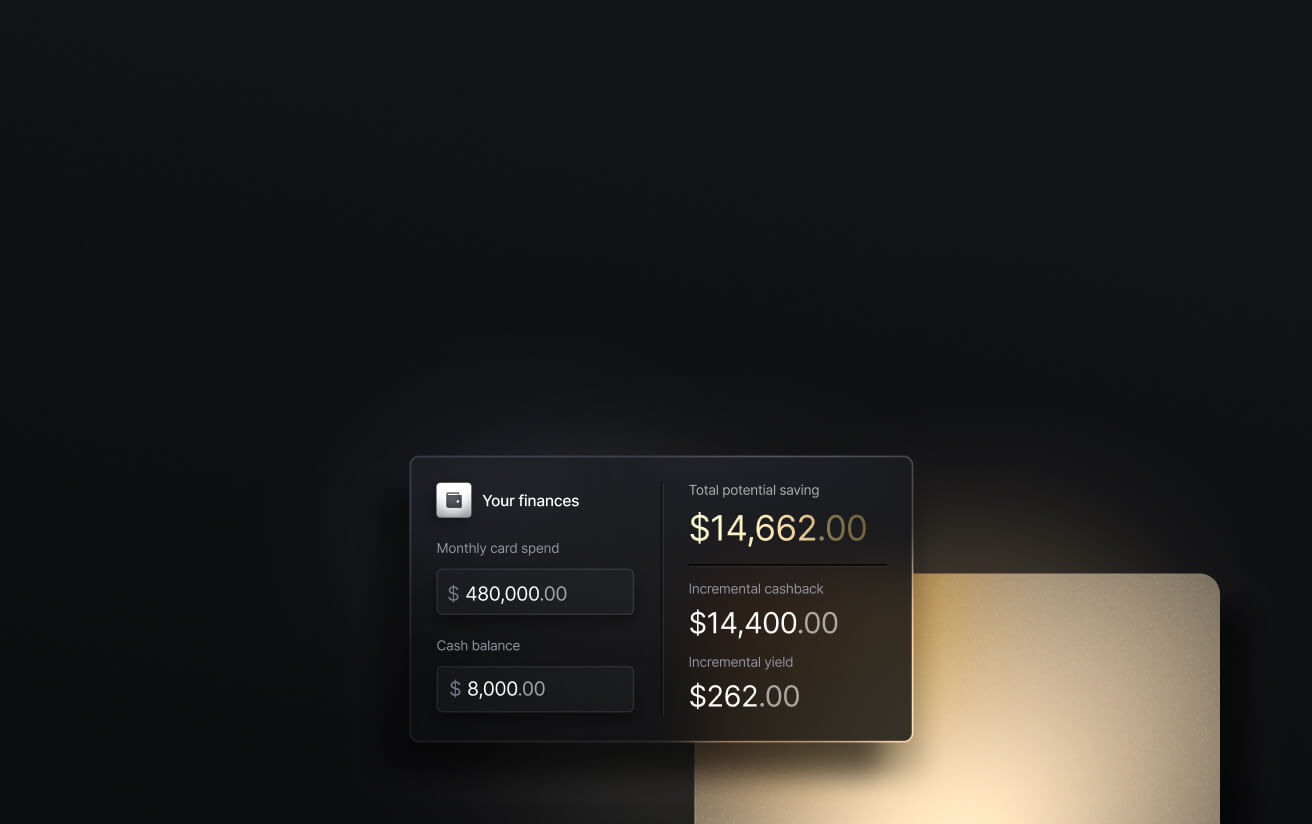
See the ROI behind your spend
Use this calculator to understand impact, then manage and track it all in Slash.

Build your own agentic payment workflow with Slash
Agentic payments are not a future concept. The infrastructure already exists, and businesses are starting to use it to remove manual work from some of their most time-consuming financial processes. Whether it’s sending payments, managing cards, or organizing transactions, these workflows can now be handled through simple instructions instead of step-by-step execution.
Slash is built to support this shift. With API-first infrastructure, MCP connectivity, and a unified system for managing payments across rails, businesses can connect an AI agent directly to their financial stack and start building prompt-driven workflows today. Instead of adding another tool to your stack, Slash gives you a foundation to turn your existing financial operations into something more flexible, automated, and scalable.
Here’s what you can manage in Slash, powered in part by your AI agent:
- Dynamic business banking: Open unlimited virtual accounts to separate operational funds to give teams clearer visibility into cash flow. Manage multiple business entities from a single dashboard, with consolidated reporting and clear visibility across accounts.
- Accounting & ERP integrations: Sync transaction data with QuickBooks Online, Xero, or Sage Intacct to streamline reconciliation, reporting, and month-end close.
- Slash Visa® Platinum Card: A corporate charge card that earns up to 2% cash back on company spending, with configurable spending rules, card controls, and encryption-grade fraud protection.
- Diverse payment methods: Slash supports a wide range of payments, including card spend, global ACH, international wire transfers to over 180 countries via SWIFT, and real-time domestic payments through RTP and FedNow.
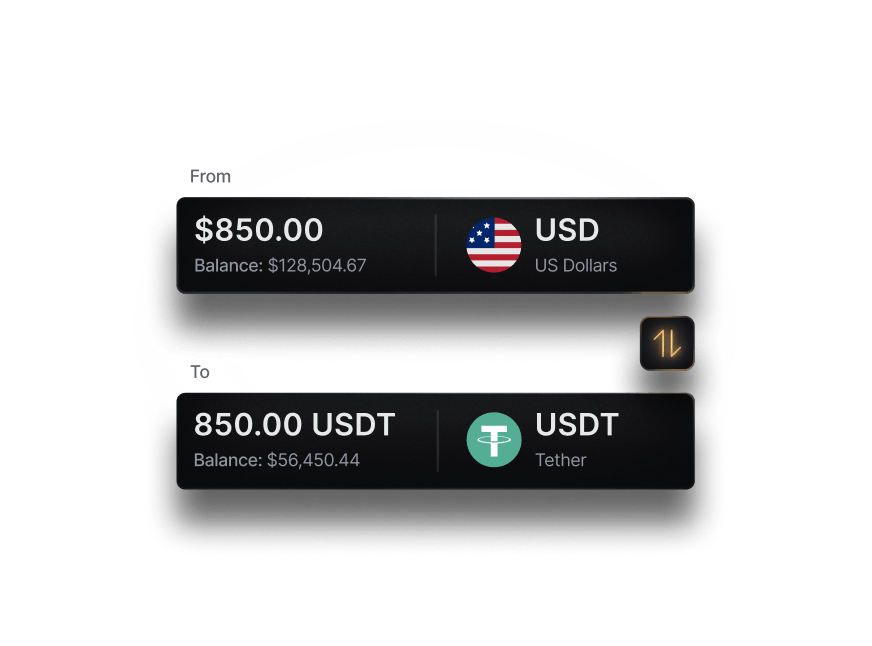
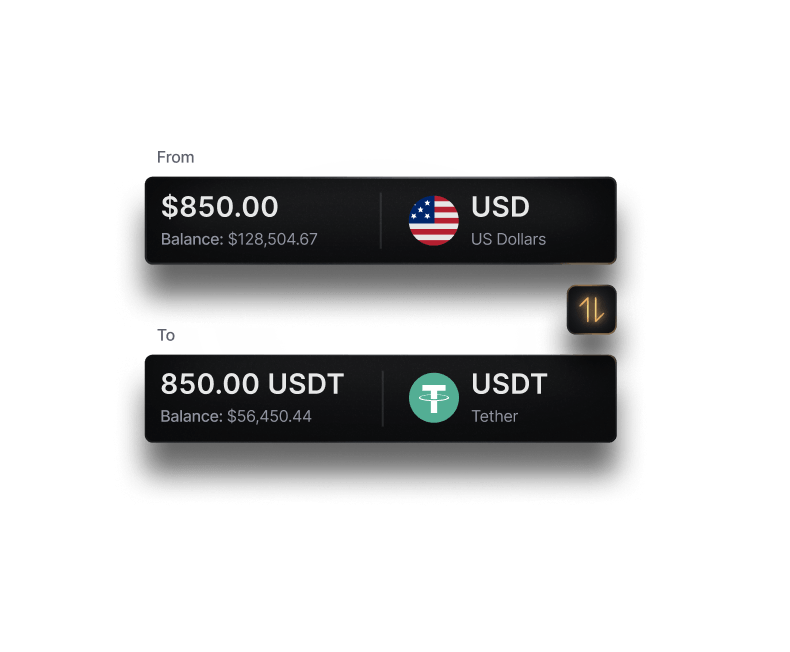
- Native cryptocurrency support: Convert funds into USD-pegged stablecoins such as USDT or USDC to send transfers on the blockchain, offering an alternative payment method that can reduce costs and settlement times.
Apply in less than 10 minutes today
Join the 10,000+ businesses already using Slash.
Frequently asked questions
How much do agentic payments cost to implement?
There is no additional subscription or fee required to connect an AI agent to your Slash dashboard. Costs can depend on the platform and level of integration required, but many modern systems are designed to minimize setup overhead.
Are agentic payments secure for business use?
Yes, agentic payments operate within the same secure payment frameworks already in use today, including ACH, wires, and crypto. The AI does not have unrestricted control; it can only execute actions when prompted and must follow the rules and permissions set within your system.
Business Fraud Prevention: A Guide for Protecting Your Company

How do agentic payments integrate with existing banking systems?
Agentic payments connect through APIs and standardized protocols, allowing AI agents to interact with your existing banking, payments, and accounting tools. That said, some providers may limit API access or restrict AI functionality. Slash’s Flow of Funds engine is built to support AI-driven workflows, making it possible to integrate an agent with your dashboard using MCP.
The Best QuickBooks Integrations to Automate Accounting
Top Xero Integrations to Simplify Accounting and Cash Flow

What happens if the AI makes a wrong payment decision?
Agentic systems are designed with safeguards like approval requirements, spending limits, and validation checks to prevent errors before a payment is executed. If something does go wrong, transactions can be traced, reviewed, and corrected just like any other payment within your financial system.
AI in Accounts Payable Automation: Impact & Use Cases for Businesses


