
How organizedare your expenses?

Quickly check how well your spending is categorized.
Is Cost of Goods Sold an Expense? Accounting Guide
Cost of Goods Sold (COGS) represents the direct costs a business incurs to produce or deliver the products it sells. These costs include materials, labor, and other expenses directly tied to production. COGS is reported on the income statement and subtracted from revenue to calculate gross profit.
Is Cost of Goods Sold an Expense or a Separate Category on Your Income Statement?
Both.Cost of Goods Sold (COGS) is a business expense; FASB Concepts Statement No. 6 includes it within the definition of expenses. However, it is a distinct type of expense.
COGS appears above operating expenses on the income statement because it is deducted from revenue before gross profit is calculated, rather than grouped with operating expenses like rent, payroll, or marketing.
That distinction matters for both financial reporting and tax analysis.
The standard in finance
Slash goes above with better controls, better rewards, and better support for your business.


What Is Cost of Goods Sold (COGS)?
Cost of Goods Sold (COGS) is the direct cost of producing or purchasing the goods sold during a reporting period.
The standard formula is:
Beginning Inventory + Purchases – Ending Inventory = COGS
COGS can include:
- Raw materials
- Direct labor tied to production
- Manufacturing overhead tied to units produced
It generally does not include:
- Sales commissions
- Marketing costs
- Administrative overhead
Those are usually operating expenses, not COGS.
Is COGS a Business Expense? The Accounting Answer
Yes. Under FASB Concepts Statement No. 6, cost of goods sold is a form of expense because it represents costs incurred in generating revenue.
It is classified separately from operating expenses because it reflects the direct cost of revenue-generating activity, while operating expenses generally support the business more broadly.
Both COGS and operating expenses can reduce taxable income, but they are tracked separately because they serve different analytical purposes.
COGS vs. Operating Expenses: The Income Statement Structure
A basic income statement flows like this:
Revenue−COGS=Gross Profit
Gross Profit−Operating Expenses=Operating Income (EBIT)
A useful rule of thumb:
- Costs that vary directly with production or units sold generally belong in COGS
- Costs that support the business regardless of sales volume generally belong in operating expenses
That distinction can drive margin analysis.
What Costs Are Included in COGS?
For manufacturers
COGS often includes:
- Raw materials
- Direct labor (production workers)
- Factory overhead, such as:
- Production facility rent
- Equipment depreciation
- Utilities tied to production
For retailers
COGS often includes:
- Purchase price of inventory for resale
- Inbound freight
- Import duties
- Other costs to bring inventory into saleable condition
These are direct product costs.
COGS for Service Businesses: Cost of Revenue
Service businesses may not have inventory, but they often have Cost of Revenue or Cost of Services, which serves a similar function.
Examples may include:
- Consultant salaries directly tied to client projects
- Hosting or infrastructure costs tied to deliverables
- Restaurant food and beverage costs
- Contractor costs directly tied to customer work
These direct delivery costs are typically separated from general and administrative (G&A) expenses.
How Inventory Valuation Method Affects COGS and Taxes
Inventory method affects both COGS and taxable income.
FIFO (First In, First Out)
Oldest inventory is treated as sold first.
In rising-cost environments:
- Lower COGS
- Higher taxable income
LIFO (Last In, First Out)
Newest inventory is treated as sold first.
In rising-cost environments:
- Higher COGS
- Lower taxable income
Weighted Average
Uses an average inventory cost and tends to smooth fluctuations.
Whichever method you use should generally be applied consistently and, where required, disclosed.
Is COGS Tax Deductible?
Yes. COGS reduces gross income and is fully part of determining taxable business income.
For product businesses filing Schedule C, COGS is generally reported in its own dedicated section (Lines 35–42), separate from ordinary business expenses.
That is one reason keeping COGS accounts separate from operating expense accounts is so important.
How to Record COGS in Your Accounting System
Perpetual inventory system
Under a perpetual system, COGS is typically recorded automatically when a sale occurs.
Periodic inventory system
Under a periodic system, COGS is calculated at period-end using:
Beginning Inventory + Purchases – Ending Inventory = COGS
A common chart of accounts setup includes separate COGS accounts such as:
- Materials
- Direct Labor
- Manufacturing Overhead
Keep these separate from operating expense accounts for cleaner financial reporting, margin analysis, and tax reporting.
How Slash Helps Businesses Track and Manage COGS
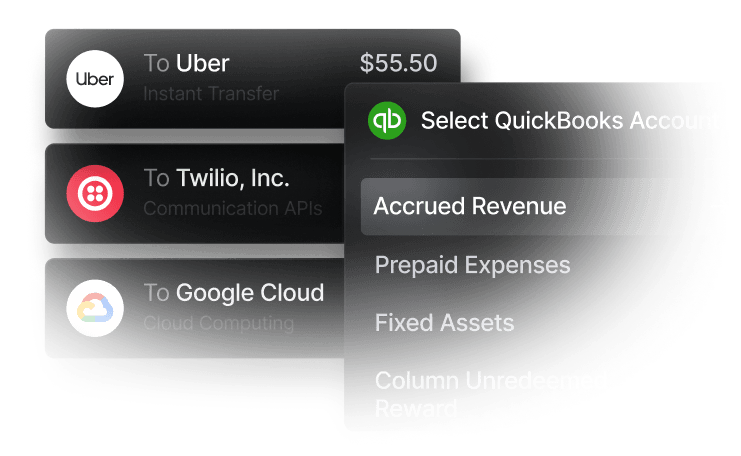
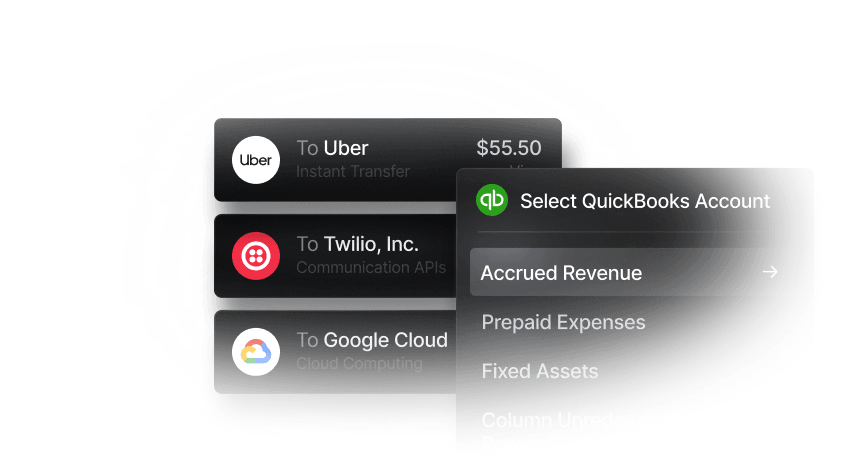
Slash is a business banking platform that can automatically route vendor payments for raw materials and direct service costs to COGS accounts. Our platform allows users to create unlimited virtual accounts for Cost of Goods Sold tracking, expense management, and more. Real-time COGS visibility lets businesses monitor gross margin as transactions happen, not just at month-end close.
Apply in less than 10 minutes today
Join the 10,000+ businesses already using Slash.
Related Expense Category Pages
What is a non-cash expense?
Is rent a tax deduction?
What is a utility expense?
What are bad debt expenses?
How to categorize administrative expenditures
How to categorize a shipping expense
Automatically Track and Categorize COGS Expenses with Slash Analytics
Get automated real-time visibility into spend across departments or locations, sync everything to QuickBooks, and keep your books tax-ready.
Other expense categories
Discover more insights


Apply in less than 10 minutes today
Join the 10,000+ businesses already using Slash.